


NAIROBI, Kenya — Royal Media Services (RMS) has introduced a paid subscription package for viewers seeking to watch live broadcasts from Citizen TV, Inooro TV and Ramogi TV on YouTube, ending free access to the affected livestreams under the new arrangement.
The package costs Ksh350 per month and is advertised as a single subscription covering the three television stations.
The development marks a significant change for viewers who have relied on YouTube to follow live news bulletins, political interviews, current affairs programmes and entertainment shows without paying an additional digital subscription.
A spot check by Vivid Voice News on Saturday, November 21, found promotional notices for the package when users attempted to access livestreams through Citizen TV’s YouTube channel. Subscription information was also displayed on the livestream thumbnails.
The notices indicate that viewers can activate the package by visiting any of the three stations’ YouTube channels and selecting the membership or ‘Join’ option.
Users are then redirected to a payment page where they can complete the transaction using bank cards, including debit, credit and virtual cards.
At Ksh350 monthly, subscribers would spend Ksh4,200 over 12 months if they maintain the membership throughout the year.
How the new YouTube subscription works
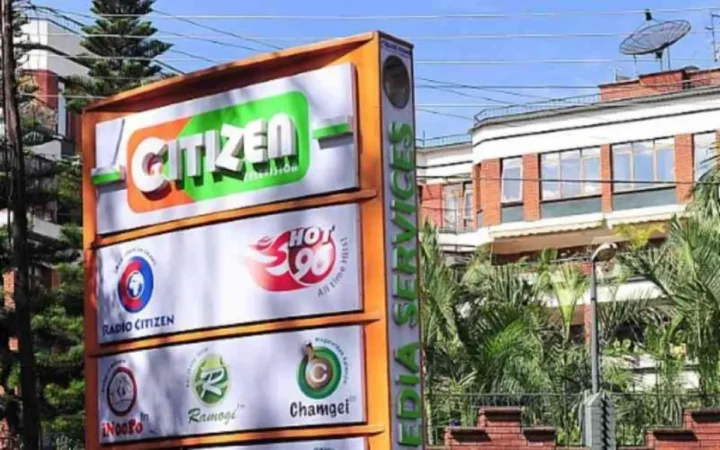
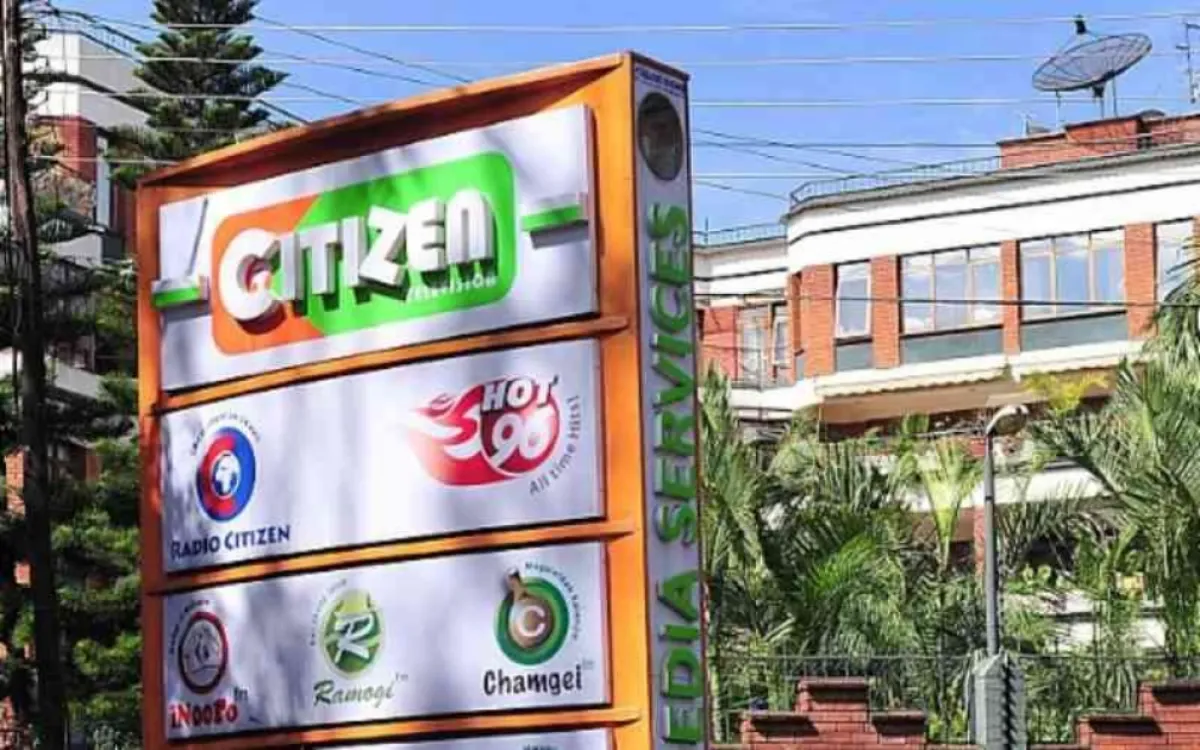
The package covers the livestreams of three Royal Media Services television brands: Citizen TV, which broadcasts primarily in English and Swahili; Inooro TV, which serves Kikuyu-speaking audiences; and Ramogi TV, which broadcasts in Dholuo.
However, the subscription notices were not displayed consistently across all three channels during the Saturday spot check.
While Citizen TV’s YouTube channel carried notices indicating that Inooro TV and Ramogi TV livestreams required paid membership, the two stations’ individual channels remained accessible without displaying similar subscription prompts at the time.
This raises questions about how the broadcaster is implementing the arrangement across its digital platforms and whether all three channels will eventually apply the same access restrictions.
The change follows a period when Citizen TV’s YouTube livestreams were still freely accessible on Friday, November 20, suggesting that the subscription arrangement was introduced within a short period.
RMS had not issued a detailed formal announcement explaining the new pricing structure, its implementation timeline or whether additional digital content would be included in the membership by the time of publication.
The broadcaster’s promotional message emphasised that the charge applies exclusively to YouTube.
“Please note this package is for YouTube viewers only. It applies only to our channels on YouTube and nowhere else,” RMS stated.
Despite that clarification, the stations’ usual livestreams were also unavailable on their Facebook and X accounts during the Saturday spot check. The broadcaster did not explain whether the temporary unavailability was connected to the introduction of the subscription package.
What the change means for viewers
The new arrangement introduces an additional cost for audiences who have become accustomed to watching the stations’ live broadcasts through YouTube.
For viewers who follow more than one of the three channels, a single Ksh350 package could offer access to multiple broadcasts without requiring separate payments for each station, subject to the membership terms.
Also Read: Veteran Kenyan journalist Yvonne Okwara exits Citizen TV after eight years
However, the arrangement may present a challenge for viewers who depend on free internet-based television because they cannot afford traditional pay-TV subscriptions or prefer watching content on their phones and computers.
The payment process also means that viewers need access to an accepted bank card to activate the membership, potentially limiting convenience for audiences who primarily use mobile money.
The distinction between YouTube access and other distribution platforms is therefore important. RMS has stated that the new charge is limited to its YouTube channels, meaning viewers should not automatically assume that the subscription applies to television broadcasts or other services offered by the company.
Viewers seeking clarification or assistance have been directed to the broadcaster’s telephone and WhatsApp support channels.
Why Kenyan broadcasters are exploring paid digital content
The move comes as traditional media companies increasingly seek ways to generate revenue from audiences migrating towards digital platforms.
YouTube and other social media services have become important distribution channels for television broadcasters, allowing them to reach viewers beyond conventional television sets and attract audiences who consume news and entertainment through smartphones, computers and connected televisions.
For broadcasters, however, building large online audiences does not automatically translate into sufficient revenue to support the production and distribution of content.
Subscription packages, channel memberships, advertising, sponsored programming and digital partnerships offer alternative ways of monetising online audiences.
Royal Media Services operates a diverse television and radio portfolio, with its three television brands serving audiences across different language and cultural markets. Its digital strategy therefore has the potential to reach viewers who may not regularly access traditional television services.
The Ksh350 package represents a move towards charging directly for access to selected online broadcasts rather than relying entirely on advertising-supported distribution.
Whether the model succeeds will depend on how viewers respond to the new cost, the consistency of access across the three channels and whether subscribers believe the service offers sufficient value.
For now, the key question is whether the broadcaster intends to extend paid access to more of its digital content or retain the subscription as a dedicated package for live broadcasts from the three stations.