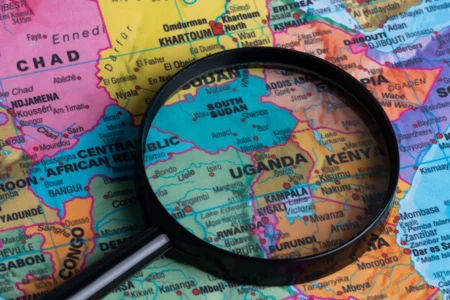





KAMPALA, Uganda — Uganda has introduced sweeping public health restrictions along its border with the Democratic Republic of Congo (DRC), suspending concerts and mass gatherings in designated high-risk districts while tightening cross-border travel controls to prevent the spread of Ebola.
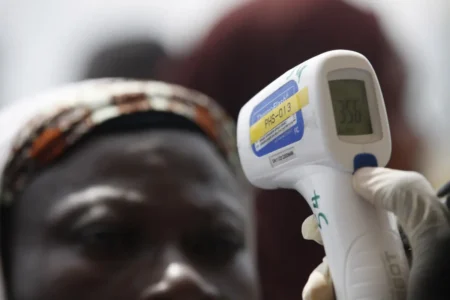
The measures, announced by the Ministry of Health on Thursday, November 19, include mandatory health assessments for Ugandans returning from the DRC, 21 days of quarantine or monitored self-isolation, and stricter surveillance at border points and Entebbe International Airport.
The government has also warned that individuals who enter the country through unauthorised routes, as well as those who facilitate illegal crossings, risk prosecution or other penalties under the law.
In a statement, Ministry of Health Permanent Secretary Dr Diana Atwine said the National Task Force on Epidemic Preparedness and Response had approved the additional interventions following concerns over continued cross-border movements, including through unofficial crossing points.
“With the current heightened surveillance, the Ministry has observed continued movement of people across our borders, including through ungazetted crossing points, which has increased the risk of the disease entering Uganda and spreading to our communities and to other countries,” Atwine said.
The measures take effect immediately and extend beyond border screening, placing new responsibilities on event organisers, schools, hotels, transport operators, humanitarian organisations and local authorities.
Uganda suspends concerts, festivals and political rallies
One of the most immediate interventions is the suspension of concerts, festivals, political rallies and other mass gatherings in designated high-risk border districts.
The restriction will remain in force until further notice, with organisers required to obtain written clearance from the Ministry of Health before holding any similar event.
“No concert, festival, rally or similar event shall be held in these districts without written clearance from the Ministry of Health,” the ministry directed.
The decision affects entertainment and political activities in communities where authorities are concerned about the potential introduction and spread of the virus through cross-border movement.
It also places additional pressure on event organisers, musicians and other businesses that depend on public gatherings in the affected areas.
Returning Ugandans face 21-day health monitoring
The government has also tightened requirements for Ugandan nationals returning from the DRC.
All returning citizens will undergo mandatory health risk assessments, followed by either 21 days of quarantine or monitored self-isolation, depending on the applicable health arrangements.
The 21-day period reflects the recognised incubation window for Ebola, which can range from two to 21 days following exposure.
Anyone who crosses into Uganda illegally, or assists others in making unauthorised crossings, will face prosecution or penalties in accordance with the law.
The ministry has further directed that humanitarian workers intending to cross the border obtain prior clearance from the Director General of Health Services.
The movement of bodies of deceased persons into or out of Uganda will similarly require advance authorisation from the same office, reflecting the importance of controlling potential exposure during the handling and transportation of human remains.
Entebbe Airport tightens passenger screening
Air travel has also been brought under stricter surveillance as Uganda strengthens its efforts to identify potential exposures before they develop into wider transmission risks.
At Entebbe International Airport, passengers will be required to complete passenger locator forms before boarding to support contact tracing.
The information is intended to help health authorities establish travellers’ movements and reach people who may have been exposed if a suspected or confirmed case is identified.
Airlines and other transport operators have also been warned that they could face sanctions if found knowingly transporting unauthorised or improperly documented travellers.
The airport measures are particularly significant because international travellers can move between several countries within hours, making accurate passenger information important for cross-border disease surveillance.
Schools face new cross-border restrictions
The education sector has also been affected, with authorities prohibiting the movement of day scholars between the DRC and Uganda in 34 designated high-risk border districts.
Boarding students who may have been exposed to Ebola must complete 21 days of quarantine in designated facilities before returning to school.
The measures are intended to reduce the possibility of infections being introduced into educational institutions through regular cross-border movement.
Local authorities have additionally been instructed to ensure that new arrivals and people relocating into affected districts are reported immediately to their respective Local Council chairpersons.
Hotels ordered to strengthen guest identification
Hotels and other accommodation providers have been directed to maintain accurate guest registers, verify visitors using valid identification documents and make the records available to health and security authorities upon request.
The directive is intended to strengthen the ability of health officials to trace contacts and reconstruct the movements of people who may have been exposed to the virus.
Also Read: US keeps Uganda on ‘Do Not Travel’ list months after Ebola outbreak ends
Schools, health facilities, transport terminals, places of worship, hotels and other public facilities must also provide handwashing facilities and strengthen infection prevention and control measures.
Radio stations operating in border districts have been instructed to dedicate at least two hours every month to Ebola prevention awareness campaigns.
The requirement places local media at the centre of the public health response, particularly in communities where access to timely information can influence whether people seek medical assistance or report suspected infections.
What the Ebola restrictions mean for the public
The latest interventions highlight the challenges of containing infectious diseases in regions where people regularly cross national borders for trade, employment, education, family visits and humanitarian activities.
Uganda’s approach combines restrictions on movement with surveillance, public awareness and contact-tracing measures.
Importantly, the announcement is a preventive response to the risk of Ebola entering Uganda from the neighbouring DRC. The restrictions should not be interpreted as confirmation of a new domestic outbreak.
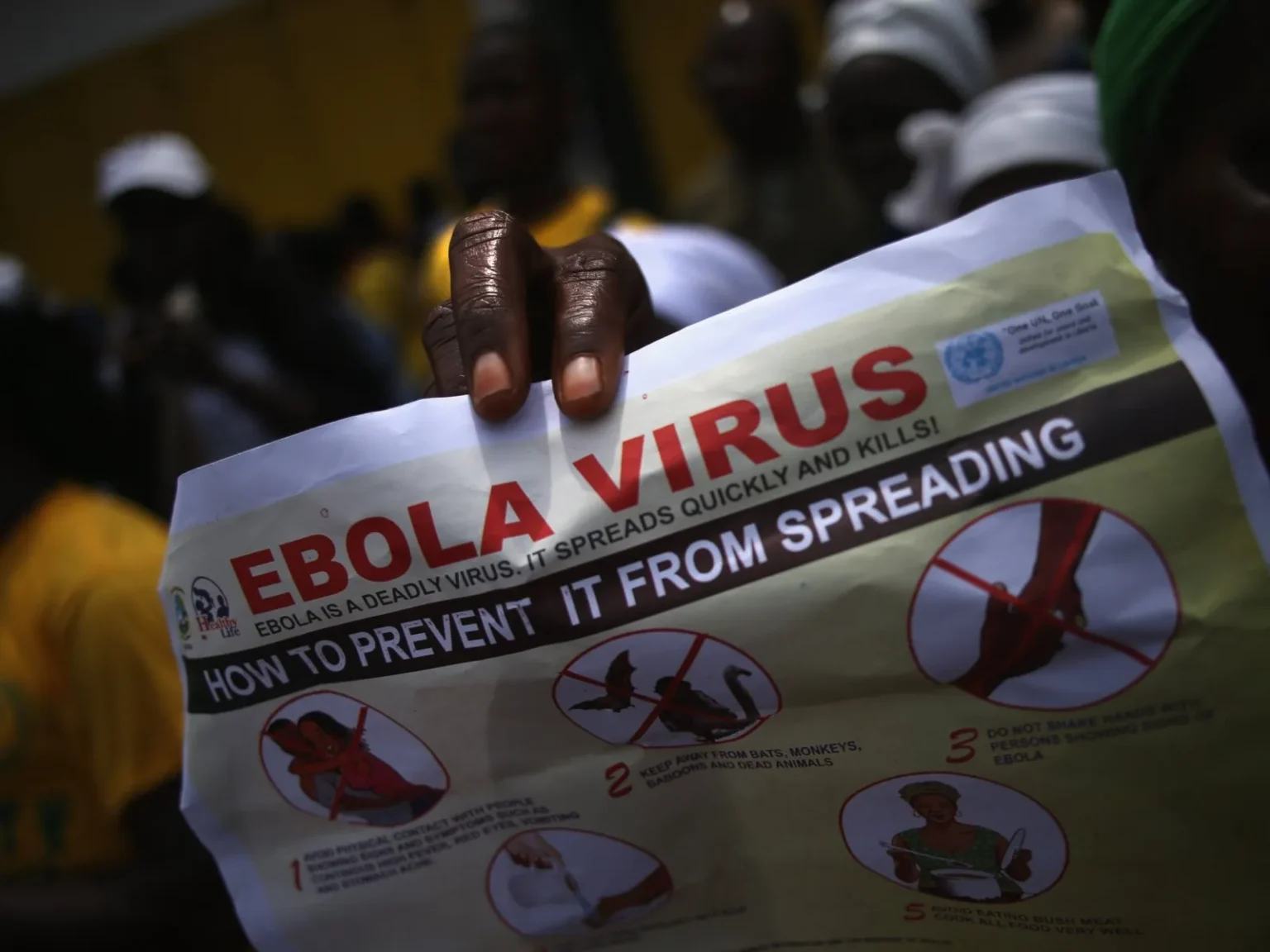
According to the World Health Organization (WHO), Ebola spreads primarily through direct contact with the blood or other bodily fluids of infected people, including those who have died from the disease, or through contaminated objects and surfaces.
The incubation period ranges from two to 21 days, and infected individuals become contagious after developing symptoms.
Common warning signs include sudden fever, headache, muscle pain, weakness, vomiting, diarrhoea and unexplained bleeding.
The Ugandan Ministry of Health has urged the public to avoid direct contact with people displaying suspected symptoms and to seek medical attention promptly when illness raises concerns.
The public has also been encouraged to maintain proper hand hygiene and cooperate with health officials carrying out surveillance and contact tracing.
For Uganda, the challenge will be enforcing the new restrictions without unnecessarily disrupting essential cross-border activities, particularly humanitarian operations and the movement of communities whose livelihoods depend on regular interaction across the border.
The effectiveness of the measures will ultimately depend on coordination between health authorities, security agencies, local leaders, transport operators and communities on both sides of the Uganda-DRC border.