
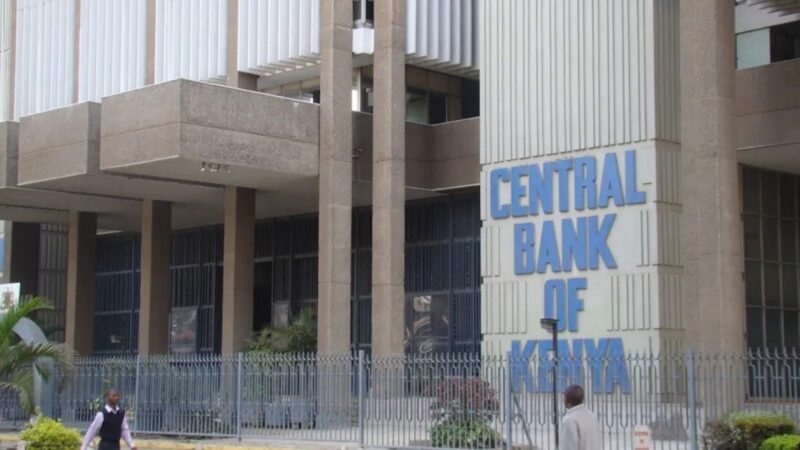




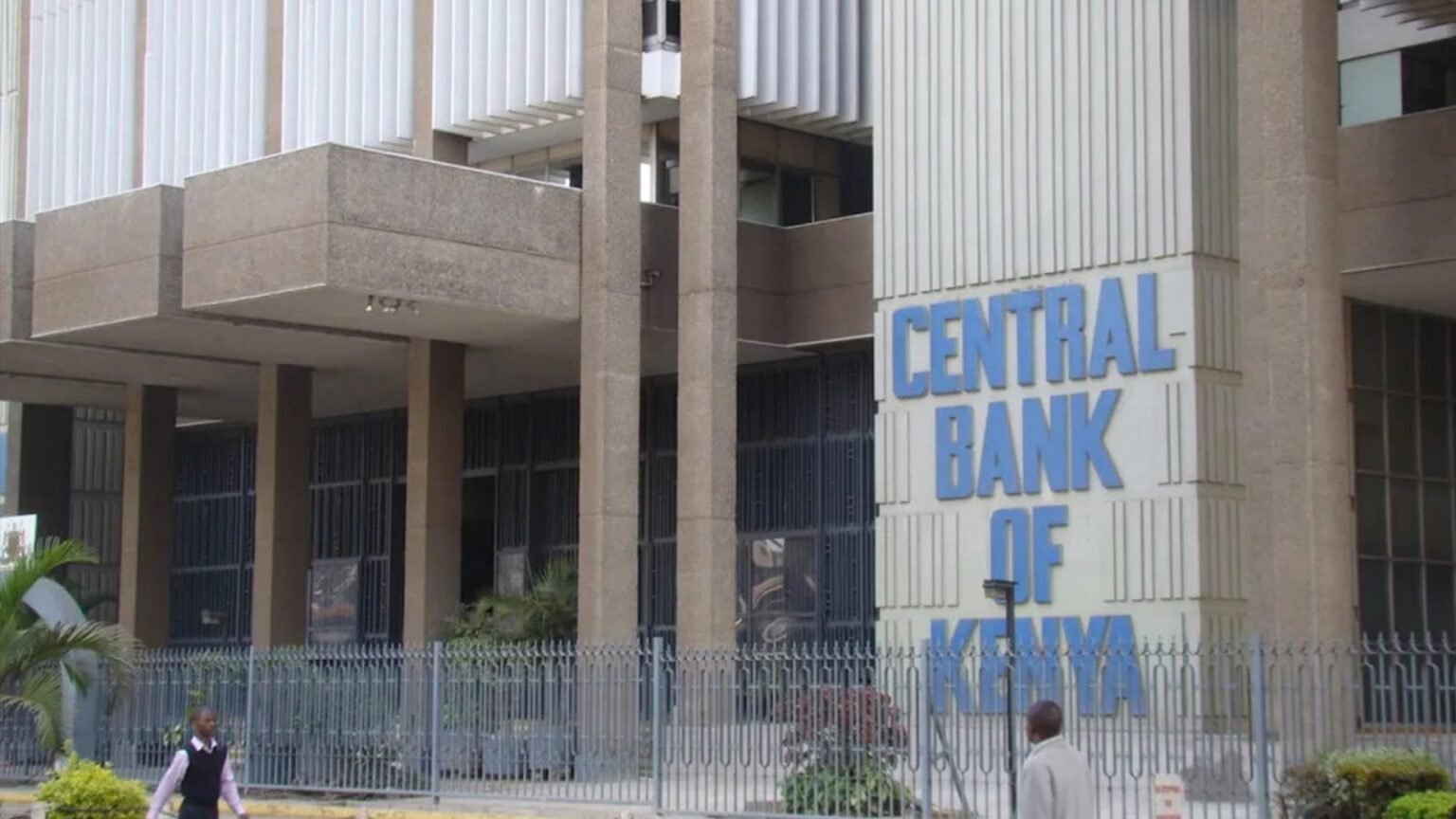
NAIROBI, Kenya — Kenya has introduced mandatory licensing requirements for cryptocurrency businesses, requiring companies offering virtual asset services to obtain approval from the relevant financial regulator before operating in the country.
The Central Bank of Kenya (CBK) and the Capital Markets Authority (CMA) announced the implementation of the new regulatory framework following the gazettement of the Virtual Asset Service Providers (VASP) Regulations, 2026, under Legal Notice No. 134.
In a joint public notice dated Friday, November 13, the regulators said the regulations were published by the National Treasury on July 22, 2026, in Kenya Gazette Supplement No. 185.
The regulations operationalise the Virtual Asset Service Providers Act, 2025, which was gazetted on October 21, 2025, and commenced on November 4 of the same year.
The legislation establishes a framework for licensing and supervising businesses involved in virtual asset services, with regulatory responsibilities shared between the CBK and CMA according to the nature of services offered.
Under the new framework, businesses providing or intending to provide virtual asset services must apply for the appropriate licence from the regulator responsible for overseeing their activities.
CBK and CMA divide regulatory responsibilities
The regulations establish ten categories of virtual asset services, with the CBK responsible for licensing three categories.
These include virtual asset wallet providers, payment processors and providers involved in issuing stablecoins.
Wallet providers are businesses that store and safeguard digital assets such as Bitcoin and Ethereum on behalf of customers. Payment processors facilitate cryptocurrency transactions, while stablecoin issuers create digital tokens designed to maintain a relatively stable value against currencies such as the US dollar.
The CMA, meanwhile, will oversee seven categories of virtual asset service providers, including cryptocurrency exchanges, brokers, investment advisers, asset managers, initial coin offering (ICO) providers, tokenisation businesses and token issuance platforms.
These categories cover cryptocurrency trading, investment management and the issuance of digital tokens representing money, property or other assets.
The division of responsibilities means businesses must establish which regulator oversees their specific services before submitting licensing applications.
The regulators have published licensing information and application checklists through their respective official websites.
What the new rules mean for crypto businesses
The introduction of the regulations marks a significant development in Kenya’s oversight of the cryptocurrency industry, bringing businesses offering virtual asset services under a formal licensing and supervisory framework.
Companies already operating in the sector must ensure they meet the applicable licensing requirements, while businesses planning to enter the market must obtain approval from the relevant regulator.
The framework also extends to businesses operating without a physical presence in Kenya if they actively target Kenyan consumers or derive economic benefits from the country.
Also Read: Kenya overtakes Ethiopia as Africa’s third-largest cryptocurrency market
For cryptocurrency users, the new requirements provide a regulatory framework through which they can establish whether a service provider has been authorised to operate.
However, obtaining a licence does not eliminate the risks associated with cryptocurrency investments, including price volatility, fraud, cybercrime and potential financial losses.
CMA warns against unlicensed investment platforms
The licensing requirements come amid continued regulatory concerns over investment schemes operating without approval in Kenya.
In a separate warning, the CMA cautioned Kenyans against 15 unlicensed investment platforms accused of unlawfully soliciting money through schemes involving cryptocurrency, foreign exchange and money market investments.
The authority urged investors who may have lost money through the platforms to report the cases to the nearest Directorate of Criminal Investigations (DCI) office.
Affected investors were also advised to submit transaction identification numbers and cryptocurrency wallet addresses through the CMA’s whistleblower channels to assist investigations.
The regulator has further urged Kenyans to verify the licensing status of investment companies through its official licensees portal before depositing money or committing funds to investment schemes.