




KAMPALA, Uganda — Uganda’s informal Wi-Fi hotspot operators face possible closure unless they restructure their businesses and obtain regulatory authorisation, as the Uganda Communications Commission (UCC) intensifies efforts to bring the rapidly growing sector under its licensing framework.
The regulator says operators who buy internet capacity from licensed telecommunications companies and resell it directly to the public without approval are providing telecommunications services unlawfully.
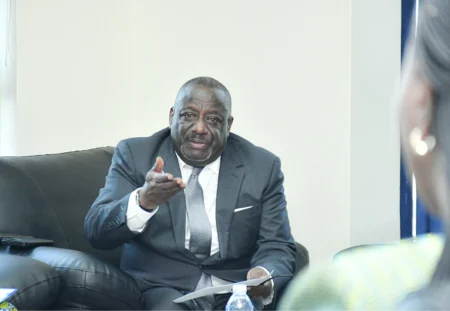
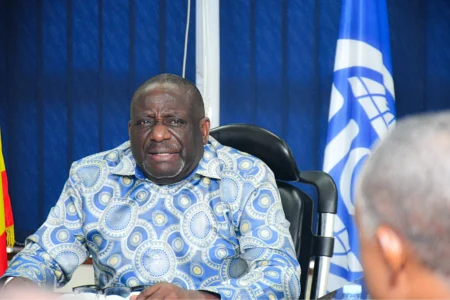
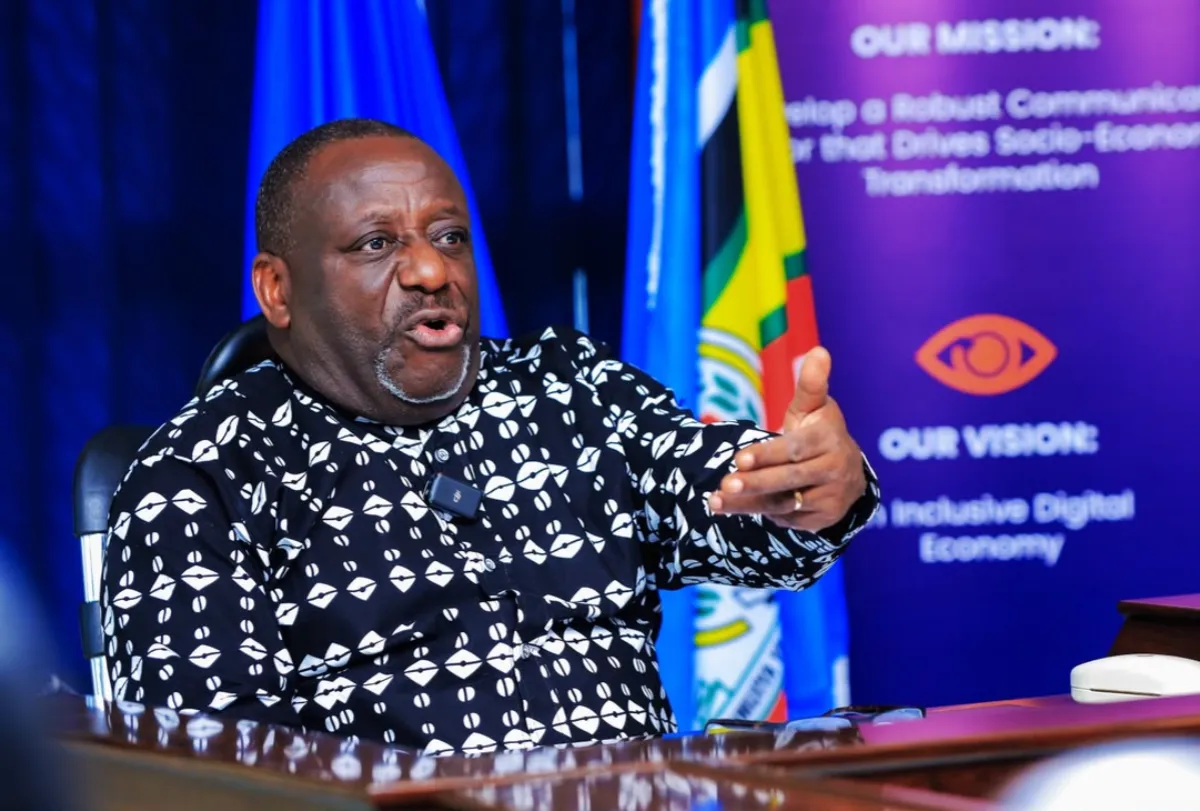
UCC Executive Director George William Nyombi Thembo has ruled out licensing the operators under their current business model, insisting they must either secure the appropriate authorisation or work as agents of licensed internet service providers (ISPs) and mobile network operators.
“As they are, there is no way they can be licensed. That one is impossible,” Thembo said, according to a report by UG Standard published on November 4.
He said the operators would have to transform their businesses to continue operating legally, although the regulator has indicated that it is willing to work with them on possible routes into the formal communications market.
The warning comes as thousands of small businesses providing neighbourhood internet access face uncertainty over their future, with the regulator arguing that unlicensed resale threatens consumer protection, government revenue, fair competition and the security of communications networks.
UCC estimates 4,000 unlicensed Wi-Fi operators
In a notice issued on October 13, UCC estimated that approximately 4,000 unlicensed public Wi-Fi providers were operating across Uganda.
The businesses typically purchase high-speed internet packages from licensed providers through fibre-to-the-home (FTTH) connections or fixed wireless access, including 5G, before distributing the connection to customers through local hotspots.
The arrangement has enabled operators to sell relatively small amounts of data to residents, students and businesses that may not afford conventional broadband subscriptions.
However, UCC says the operators are reselling telecommunications services without the licences required under the Uganda Communications Act, 2013.
The regulator estimates that licensed providers charge an average of UGX2,000 per gigabyte, inclusive of taxes and regulatory costs, while informal hotspot operators sell the same volume for approximately UGX1,000.
UCC argues that the lower prices are possible partly because the informal businesses do not meet the same tax, licensing and regulatory obligations as established telecommunications companies.
The commission estimates that the practice is costing the government approximately UGX148 billion in annual tax revenue.
These figures are estimates published by the regulator and have not been independently established in the available reporting.
Operators face equipment seizures and possible shutdown
UCC has warned that businesses continuing to provide public internet services without authorisation could face enforcement action, including the removal of illegal installations and seizure of routers and other telecommunications equipment.
In its October notice, the commission said it was working with the Uganda Revenue Authority (URA) to restrict the importation of telecommunications equipment by unlicensed operators.
It also warned that equipment that cannot be regularised could be destroyed in accordance with the law.
The announcement followed an earlier seven-day ultimatum issued in October, giving operators an opportunity to voluntarily dismantle their installations before the planned nationwide enforcement exercise.
UCC said the crackdown was intended to restore fair competition, protect consumers and ensure that businesses providing communications services operate under the same regulatory standards.
The regulator has also raised concerns about the installation of Wi-Fi equipment on electricity poles and infrastructure belonging to other telecommunications companies without the necessary permission.
According to UCC, some installations have created safety risks, including incidents in which installers were electrocuted, while obstructing maintenance work on electricity and fibre-optic infrastructure.
The commission further argues that unlicensed hotspots operate outside established subscriber registration and lawful interception frameworks, making it more difficult to trace users and investigate incidents involving the networks.
UCC outlines licensing and partnership options
Despite its tough position, the regulator has indicated that it does not intend to shut down the entire informal hotspot business without exploring ways for operators to transition into legally recognised arrangements.
UCC has identified two broad options: operators with the capacity to meet licensing requirements can apply for an appropriate public service provider authorisation, while smaller businesses can enter commercial partnerships with licensed telecommunications companies or internet service providers.
The proposed arrangements include operating as authorised agents, using communal access models or entering agreements that allow them to distribute internet services through licensed providers.
At a stakeholder meeting on October 27, UCC brought together hotspot resellers, the Kampala City Traders Association (KACITA), mobile network operators, ISPs and the URA to discuss possible compliance arrangements.
The meeting was chaired by Acting UCC Executive Director Julian Mweheire and focused on identifying practical ways for the businesses to continue providing connectivity while meeting legal and technical requirements.
UCC encouraged hotspot operators to engage licensed providers and negotiate commercial arrangements before considering whether changes to the wider licensing framework would be necessary.
The regulator said the appropriate licensing route would depend on the nature of each business and the services it provides.
The discussions also covered the registration of hotspot operators, information sharing, equipment type approval and possible changes to enforcement measures while consultations continue.
UCC clarified that registration of operators would be separate from obtaining the licences or authorisations required to provide telecommunications services.
Licensing costs raise concerns among small operators
The cost of regulatory compliance remains a major concern for informal Wi-Fi businesses, many of which operate on a small scale in residential neighbourhoods and trading centres.
The Kampala Dispatch reported that UCC had identified a regional Public Service Provider licence, quoted at US$3,000 for operations outside the central region, and an ISP licence, quoted at US$30,000 for the central region, as possible options.
Such costs could prove difficult for small operators seeking to formalise their businesses individually, strengthening calls for more affordable compliance arrangements.
During the October 27 consultations, hotspot resellers asked for clear regulatory guidance, affordable licensing pathways and commercial arrangements that recognise their contribution to extending internet access.
Licensed telecommunications providers, meanwhile, emphasised the need to protect investments in network infrastructure and ensure that all operators meet applicable technical and regulatory standards.
The disagreement reflects a broader challenge for Uganda’s communications sector: how to preserve affordable, community-level internet access while ensuring that businesses involved in providing it comply with the law.
UCC says unlicensed hotspots affect internet market
The commission has also linked the growth of informal Wi-Fi businesses to challenges in the wider telecommunications market.
UCC Director of Economic Regulation, Content and Consumer Affairs Julianne Mweheire said mobile network operators had lost approximately 1.5 million customers to unlicensed hotspot services.
She argued that the movement of customers away from licensed networks was affecting the industry’s ability to benefit from increased data consumption and lower unit costs.
Also Read: Uganda’s Wi-Fi crackdown raises a bigger question: Who can afford the internet?
Mweheire also said UCC had observed a stagnation in internet data prices since 2025, despite expectations that growing usage would contribute to lower prices.
The regulator further said an assessment of the informal operators against 11 regulatory and legislative requirements found that they had failed to meet any of them.
The commission maintains that licensing is necessary to ensure providers meet minimum standards on service quality, cybersecurity, customer data protection and complaint resolution.
However, the affordability concerns raised by hotspot resellers leave regulators and industry players with the task of finding a model that does not exclude smaller businesses or undermine access to low-cost connectivity.
What the changes mean for Wi-Fi customers
The dispute could affect customers who depend on neighbourhood hotspots for affordable internet access, particularly students, low-income households and small businesses.
UCC has warned that users relying on unlicensed providers could experience service interruptions if enforcement teams dismantle installations or seize equipment.
The regulator is urging consumers to obtain internet services from licensed providers or their authorised agents and to verify the licensing status of companies through its official channels.
For hotspot operators, the message is that continuing to buy internet packages and resell access to the public without authorisation is no longer an acceptable business model.
Although consultations have opened the possibility of partnerships and other compliance arrangements, UCC has maintained that operators must change how they conduct business to remain in the market.
The outcome of discussions between the regulator, hotspot businesses and licensed telecommunications companies will determine whether thousands of small internet resellers can transition into authorised operations or face closure.