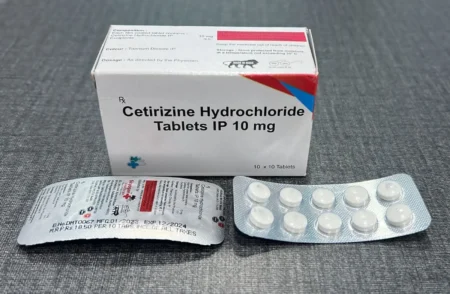






NAIROBI, Kenya — The Ministry of Health has warned Kenyans against misusing cetirizine, a common allergy medication, following a viral social media trend promoting the drug for purposes unrelated to its approved medical use.
Principal Secretary for Medical Services Ouma Oluga issued the warning on Wednesday, November 4, 2026, during a High-Level Health Products and Technologies (HPT) Stakeholder Meeting in Nairobi, expressing concern that online discussions were encouraging people to experiment with medicines without understanding their potential risks.
“I saw people discussing this medicine in a manner that is like a joke, but this also influences some sections of the public to misuse products and medicine,” Oluga said.
The warning follows discussions on social media platforms, particularly X, where some users have promoted the use of cetirizine to reduce natural vaginal moisture in an attempt to create a sensation of tightness during sexual intercourse.
Some posts have reportedly encouraged women to insert oral cetirizine tablets into the vagina, despite the medication not being formulated or approved for such use.
The trend has attracted concern from medical professionals and pharmacists, who warn that using medicines in ways they were not designed for can expose people to unnecessary health risks.
Vivid Voice News earlier reported that the online discussions had also been accompanied by claims of increased demand, pharmacy shortages and rising prices in parts of Nairobi.
However, the scale of the reported shortages has not been independently established.
Ministry considers stronger medicine-tracking measures
Oluga said the government could develop a system to trace people purchasing certain medicines and follow up where there are concerns about misuse.
“What we can assure Kenyans is that we can develop a system that can trace everyone, for instance, who has gone to buy cetirizine,” the PS said.
He suggested that authorities could consider measures such as directly observed therapy where necessary, although he did not announce an existing nationwide programme to monitor individual buyers of the medicine.
The Principal Secretary also called for closer monitoring of the medicine supply chain, saying authorities should establish where products originate, who distributes them and which patients receive them.
“From a medicine control perspective, it is very important that we trace who manufactured this cetirizine and who sold it, to which patient?” Oluga said.
He added that such information could help community health promoters reach individuals and provide guidance where inappropriate medicine use is suspected.
The proposed approach comes amid wider concerns about the circulation of misleading health information online and the use of pharmaceutical products without professional guidance.
What is cetirizine and what does it treat?
Cetirizine is a second-generation antihistamine used to relieve symptoms associated with allergic reactions.
It works by blocking histamine, a chemical released by the body during an allergic reaction. Histamine contributes to symptoms such as sneezing, a runny nose, itchy or watery eyes and skin irritation.
The medicine is commonly prescribed or recommended for conditions including hay fever, allergic conjunctivitis, hives and reactions to insect bites.
It is available in tablets and liquid formulations intended to be swallowed. The dosage depends on factors including age, the formulation and an individual’s medical circumstances.
According to the UK’s National Health Service (NHS), common side effects include headache, dry mouth, dizziness, nausea and diarrhoea.
Some people may also experience drowsiness despite cetirizine being classified as a non-drowsy antihistamine.
Why inserting cetirizine vaginally is risky
Medical guidance does not recommend inserting oral cetirizine tablets into the vagina.
The tablets are formulated for oral administration and have not been designed or tested for intravaginal use. Their ingredients and formulation are therefore not intended for direct contact with vaginal tissue.
Although antihistamines can cause dryness in some parts of the body, this does not mean that cetirizine can safely or effectively tighten vaginal muscles.
Natural vaginal lubrication helps maintain healthy tissue and reduces friction during sexual activity. Deliberately reducing moisture can cause discomfort, painful intercourse and irritation.
The vagina is an elastic muscular canal, and vaginal lubrication is not a measure of pelvic floor strength or physical tightness.
Medical experts have warned that inserting oral tablets could cause local irritation and tissue injury. The use of products not designed for vaginal application may also disrupt the normal vaginal environment.
Women experiencing vaginal dryness or concerns about pelvic floor health are advised to seek medical guidance rather than experiment with medicines or products promoted online.
Pharmacy and Poisons Board urges reporting of suspected side effects
The Pharmacy and Poisons Board (PPB) has emphasised that monitoring medicine safety continues after products receive regulatory approval.
Through pharmacovigilance, the regulator collects and assesses reports of suspected adverse reactions and other medicine-related safety concerns to identify potential risks and guide appropriate action.
Also Read: Does cetirizine cause vaginal dryness? What women in Kenya should know
The Board encourages healthcare professionals and members of the public to report suspected adverse events through its Pharmacovigilance Electronic Reporting System.
Reports can be submitted through pv.pharmacyboardkenya.org, by email at pv@ppb.go.ke, or through the Board’s pharmacovigilance telephone contact, +254 795 743 049.
The Ministry’s warning highlights the importance of obtaining medical information from qualified healthcare professionals and using medicines strictly according to their approved instructions.
Kenyans who have used cetirizine in an unintended way and experience irritation, pain or other unusual symptoms should seek advice from a qualified healthcare professional.
The Ministry is urging the public not to rely on viral social media claims when making decisions about medication, particularly where misuse could put their health at risk.