

KAMPALA, Uganda — Uganda’s wildlife conservation debate has entered a critical phase after a parliamentary committee called for an independent investigation into allegations of extrajudicial killings and disappearances involving Uganda Wildlife Authority (UWA) rangers.
The Committee on Tourism, Trade and Industry wants the Uganda Human Rights Commission (UHRC) and Uganda Police Force to investigate reported incidents in Nwoya, Buliisa and Kasese districts and submit their findings within six months.
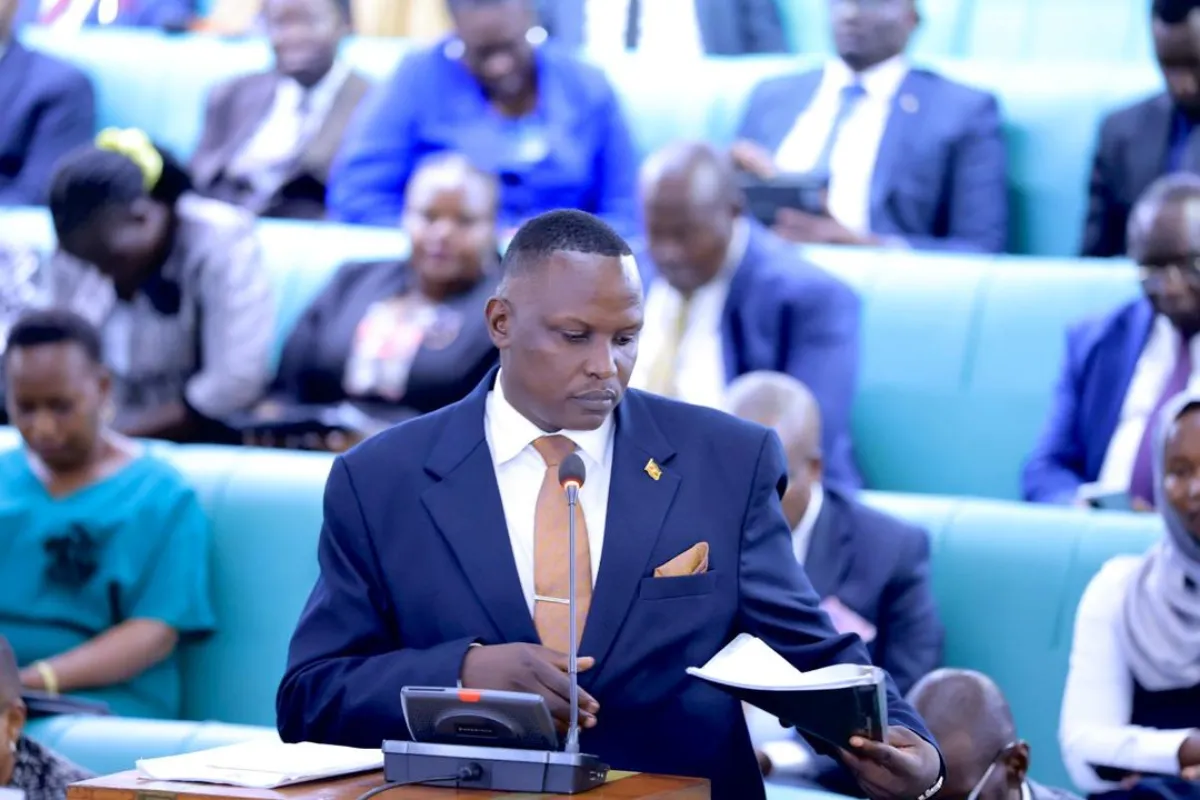
The recommendation was presented by committee deputy chairperson Patrick Aeku during a parliamentary sitting on 13 October 2026. Parliament published the report on Wednesday, 14 October.
The allegations are serious. According to the committee, communities reported cases in which rangers allegedly used force against people found or suspected to have entered national parks without authorisation. Some families reportedly never recovered the bodies of relatives who died in park-related incidents.
Aeku cited testimony concerning the Koyo Clan in Purongo Sub-county, Nwoya District, where a community member alleged that 11 people had been lost in park-related incidents over three years, with their bodies reportedly not recovered.
The committee said it could not independently verify the allegations. That qualification is central to the story: the claims demand credible investigation, but they should not be treated as established findings of criminal responsibility before the evidence has been examined.
UWA, meanwhile, has attributed deaths inside protected areas mainly to confrontations between rangers and armed poachers. That account highlights the dangers faced by conservation officers, but it does not, by itself, resolve the allegations raised by affected communities.
The challenge for investigators will be to establish what happened in individual cases, identify any unlawful conduct and distinguish verified evidence from rumour, incomplete accounts or incidents arising from armed encounters.
The accountability question at the heart of conservation
The proposed inquiry raises an issue that extends beyond wildlife management: how public authorities exercise coercive powers in remote areas where oversight can be difficult and residents may have limited access to justice.
Rangers have a legitimate responsibility to protect wildlife, enforce park boundaries and respond to poaching. National parks cannot be managed effectively if armed incursions, illegal hunting and unauthorised exploitation of protected resources go unchecked.
But conservation enforcement must operate within the law. Suspected trespassing or poaching cannot automatically justify excessive force, unlawful killing or the disappearance of a person. Where deaths occur, families and the public have a legitimate interest in knowing the circumstances, while investigators must establish the facts impartially.
This is why the committee’s call for an inquiry matters. An investigation conducted independently of the officers or institution whose conduct is questioned would help establish whether the allegations are supported by evidence and whether any individuals should face criminal or disciplinary proceedings.
A credible process should examine incident records, patrol reports, arrest and detention records, witness accounts, medical and forensic evidence where available, and the handling of remains. Families should be able to report missing relatives and receive information about investigations without intimidation.
The six-month reporting deadline could provide a useful accountability benchmark. But the value of the inquiry will depend on whether investigators have the resources, access and independence needed to establish the facts—and whether the findings lead to appropriate action.
A wider conflict between people and wildlife
The allegations emerge against a broader backdrop of recurring conflict between communities and wildlife around Uganda’s protected areas.
The consequences are not limited to occasional encounters with dangerous animals. Residents can lose crops, livestock, homes and sources of income, while attacks may leave people dead, injured or permanently disabled. Where households depend on farming, the destruction of a garden can undermine food security and income at the same time.
Uganda Wildlife Authority’s State of Wildlife Resources in Uganda 2026 report recorded more than 6,100 human-wildlife conflict incidents between 2020 and 2025. Crop damage accounted for approximately 89 per cent of the reported cases, according to the authority’s figures.
Those figures illustrate the scale of the wider problem, although they do not establish how many incidents went unreported or how the burden was distributed among individual communities.
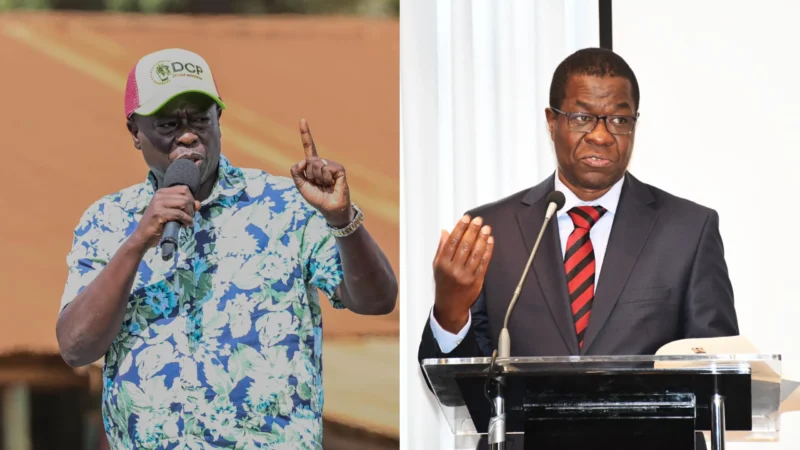
During the parliamentary debate, Kyenjojo District Woman MP Spellanza Baguma described a lion attack that reportedly left residents permanently maimed and called for her district to be considered for electric fencing. Buhweju West MP John Bosco Kariisa also accused UWA of failing to adequately address victims’ needs after animals escaped from Queen Elizabeth National Park into surrounding areas.
These accounts raise questions about the practical obligations of conservation authorities when wildlife moves beyond protected boundaries. Recovering an animal may be necessary to protect people and return it to a conservation area, but that action alone does not address a household’s medical costs, damaged crops or lost income.
The committee’s report therefore points to a problem that cannot be resolved solely through enforcement. It also requires prevention, clear procedures for reporting attacks, timely communication with residents and a transparent approach to assessing claims for compensation or other assistance.
Why fencing is important—but not a complete solution
Among the committee’s 65 recommendations is a call for the government to fence Lake Mburo, Murchison Falls, Queen Elizabeth and Kidepo Valley national parks.
It also recommends expanding beehive fences, maintaining trenches, constructing additional crocodile-exclusion enclosures and using animal-tracking information to warn communities when wildlife poses a risk.
These measures address different aspects of the problem. Properly designed and maintained barriers can reduce movement by certain species into farms and settlements. Tracking systems and timely alerts can give residents more time to avoid dangerous encounters, while targeted enclosures can protect people at high-risk locations.
However, fencing is neither a universal solution nor a substitute for effective management. Its usefulness depends on the species involved, the terrain, maintenance, wildlife movement patterns and the availability of safe passage where ecological corridors need to remain open. Poorly maintained barriers may fail, while animals can find alternative routes into communities.
The government also faces a question of prioritisation. It must identify the areas where interventions would prevent the greatest harm, maintain existing infrastructure and explain how public funds are allocated.
State Minister for Tourism, Wildlife and Antiquities Susan Nakawuki told Parliament that approximately 5,000 kilometres had been fenced and called for further funding.
That figure needs to be understood alongside information about where the fencing is located, what type of barriers have been installed, their condition and how effectively they have reduced conflict. The total length alone cannot show whether the most vulnerable communities are adequately protected.
Prevention should also be assessed against outcomes: fewer attacks, fewer deaths and injuries, less crop destruction and improved confidence among communities living near parks.
Conservation officers face real dangers too
Any assessment of the dispute must account for the risks faced by UWA personnel.
Nakawuki told MPs that more than 1,000 rangers had been killed, while others had been maimed or traumatised. Her statement underlines the dangers associated with confronting armed poachers and protecting wildlife in difficult conditions.
Those risks should not be minimised. Rangers may work in remote terrain, face armed resistance and operate in circumstances where decisions must be made quickly. A policy response that ignores their safety would be incomplete.
But the danger of the job and the obligation to respect the law are not mutually exclusive. Protecting rangers from violence and protecting residents from unlawful conduct are responsibilities that can—and must—coexist.
Clear operational rules, adequate training, reliable incident documentation, effective supervision and credible investigations into deaths or alleged abuses can help protect both officers and civilians. Accountability should be based on evidence and individual conduct, rather than blanket assumptions that all rangers are responsible for alleged wrongdoing or that all accusations against them are unfounded.
The objective should be to establish what happened in each case, not to prejudge an entire institution or dismiss the experiences of affected communities.
A recurring test for relations between UWA and communities
The current debate is not the first time allegations concerning conservation enforcement have reached Parliament.
In August 2026, MPs raised allegations of human rights abuses, arbitrary arrests and uncertainty over park boundaries involving communities around Mount Elgon National Park. The parliamentary discussion included claims of assaults and deaths during confrontations with armed rangers, while the tourism ministry said allegations of assault should be investigated.
The circumstances in Mount Elgon are not identical to those now cited in Nwoya, Buliisa and Kasese. Nevertheless, the repeated appearance of such disputes in parliamentary debates points to the importance of examining how conservation boundaries are enforced, how communities understand their rights and obligations, and what remedies are available when conflicts arise.
When residents believe that complaints will not be investigated or that their losses will be ignored, cooperation with conservation authorities can suffer. That can make it harder to obtain reliable information about poaching, wildlife movements and dangerous encounters. Conversely, where residents trust authorities to respond fairly, they have stronger reasons to report incidents and work with officials.
Aeku warned that unresolved suspicion could damage relations between UWA and neighbouring communities and undermine cooperation in reporting human-wildlife conflict. That concern is central to the long-term effectiveness of conservation policy: public trust is not merely a public-relations issue but an important part of how protected areas are managed.
Compensation and community responsibility
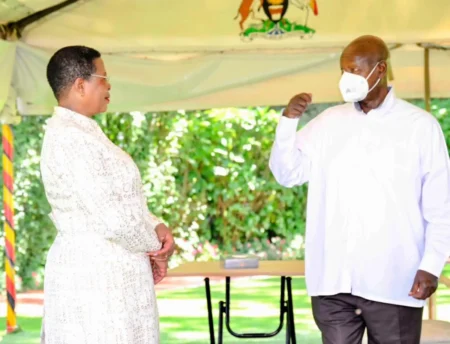
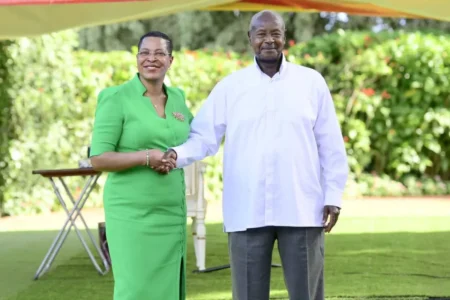
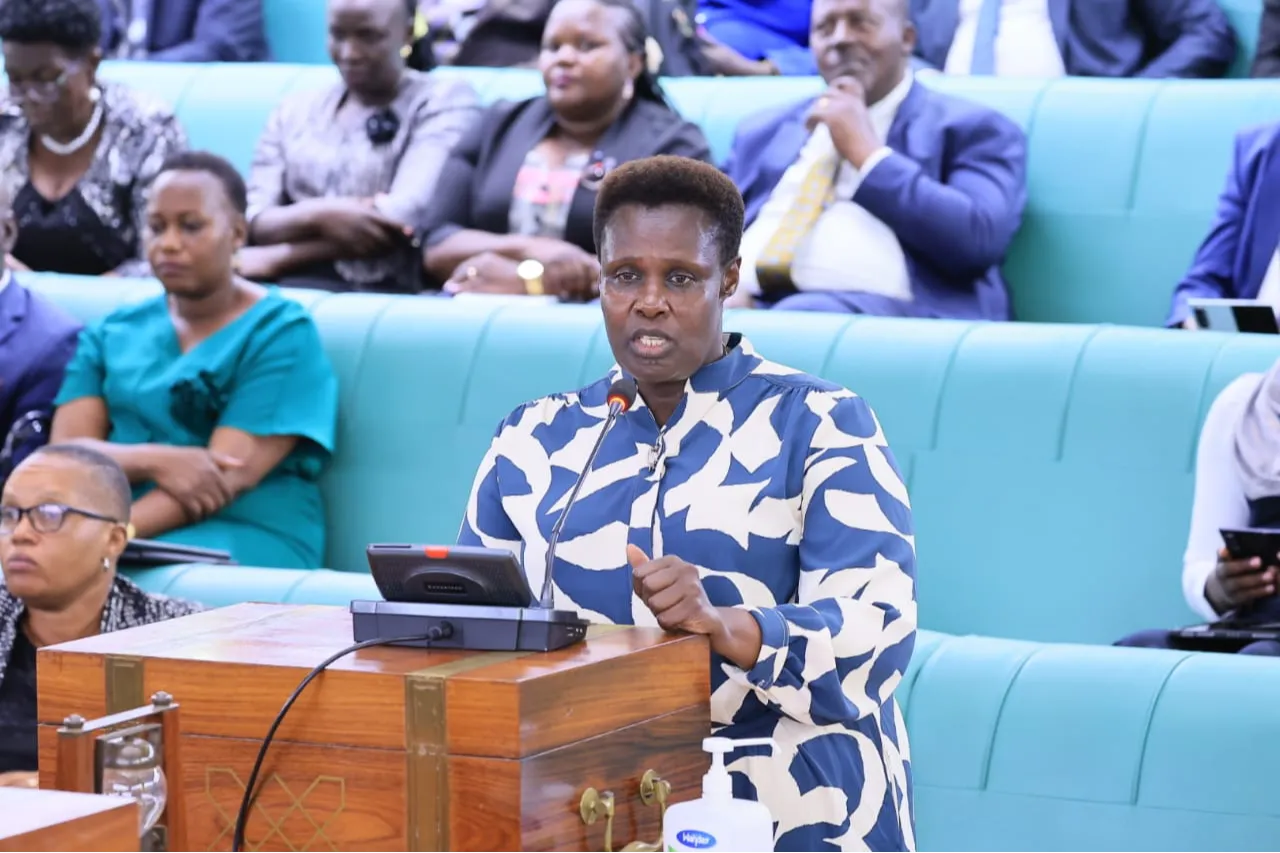
Vice-President Jessica Alupo pledged government support for addressing the problems raised by MPs, arguing that the benefits of wildlife conservation extend to the whole country. She said immediate interventions could be pursued while compensation could be studied later.
Her remarks point to a difficult policy question: how should the national benefits of conservation be balanced against the costs borne by households living closest to protected areas?
Tourism and wildlife conservation can generate economic benefits beyond the boundaries of parks. Yet neighbouring communities may experience those benefits unevenly while bearing direct costs from crop destruction, livestock losses, injuries and deaths.
A sustainable approach requires more than asking residents to tolerate wildlife because it benefits the country. It requires transparent, accessible procedures for assessing losses, clear explanations of eligibility for assistance, and realistic timelines for resolving claims.
Community sensitisation is also necessary. Alupo urged residents to understand preventive measures and take responsibility for their safety.
Public education can help people avoid risky encounters, respond appropriately to warnings and understand park restrictions. But sensitisation cannot replace government responsibility for effective wildlife management, lawful enforcement and appropriate responses when attacks occur.
Nor should the discussion of compensation be separated from prevention. Helping households after an attack is important, but preventing avoidable deaths and damage in the first place should remain a priority.
What the independent inquiry must deliver
The proposed investigation offers an opportunity to move the debate beyond competing allegations and official explanations.
First, investigators need to establish the circumstances of reported deaths and disappearances, including the allegation concerning the Koyo Clan.
Where evidence supports claims of unlawful conduct, the responsible individuals should be held accountable through the appropriate legal processes. Where allegations cannot be substantiated, the findings should explain why, while identifying any remaining gaps in the evidence.
Second, the government should publish clear information on the progress of the inquiry and the implementation of the committee’s recommendations.
A report delivered within six months would be a starting point; public confidence will also depend on whether findings are acted upon and affected families receive meaningful answers.
Also Read: Jamaican dancehall star Spice visits Buganda Kingdom to celebrate Ugandan cultural tourism
Third, the authorities should set out a practical human-wildlife conflict strategy that combines fencing and other preventive measures with early-warning systems, community engagement, transparent incident reporting and accessible processes for addressing losses.
Finally, UWA should be able to demonstrate how it investigates complaints against its officers and how it protects rangers facing genuine threats. An institution tasked with safeguarding wildlife needs public cooperation, and that cooperation is difficult to sustain where serious allegations remain unresolved.
The future of conservation depends on public trust
Uganda’s wildlife is an important national asset, but the legitimacy of conservation cannot be measured only by the protection of animals, the size of fenced areas or the revenue generated by tourism.
It must also be measured by whether people living alongside protected areas can pursue their livelihoods safely, whether the law is applied fairly and whether families receive credible answers when relatives die or disappear in disputed circumstances.
The parliamentary committee has placed two connected problems before the government: the immediate danger posed by human-wildlife conflict and the need to investigate allegations of misconduct by those enforcing conservation laws.
Neither should be used to dismiss the other. The risks faced by rangers do not remove the need for accountability, just as allegations against individual officers do not erase the need to protect wildlife from poaching.
The independent inquiry is therefore more than an investigation into specific incidents. It is a test of whether Uganda can protect its natural heritage while upholding the rights and dignity of the communities expected to live alongside it.
The central question is no longer simply how Uganda can protect its wildlife. It is how the country can make conservation safer, fairer and more accountable for everyone involved.