

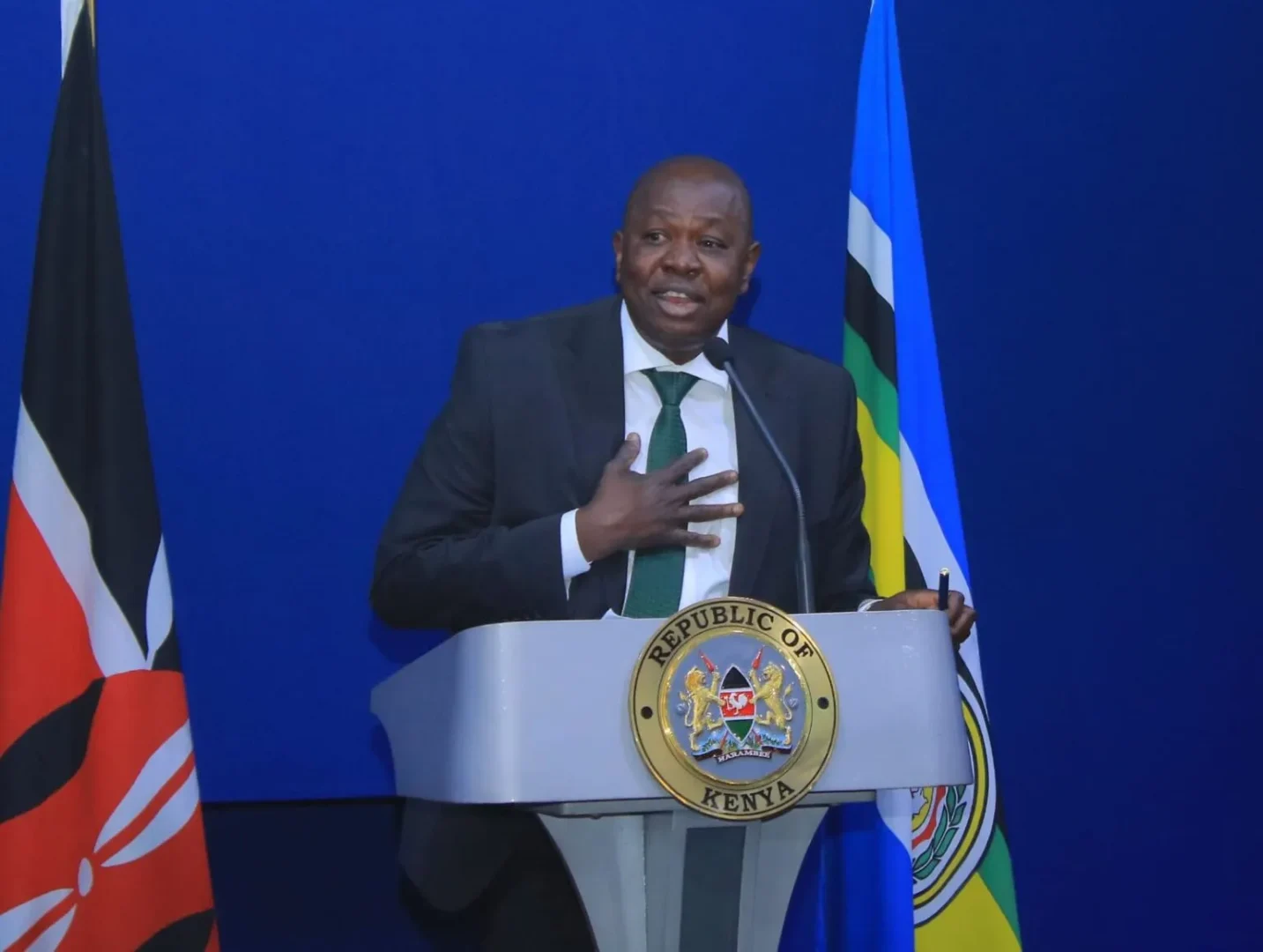
NAIROBI, Kenya — Kenya will provide temporary legal protection to undocumented Burundian nationals as the government moves to regularise the status of East African Community (EAC) citizens living in the country without full documentation.
Government Spokesperson Charles Owino said the government is establishing a formal registration and documentation window through which affected foreign nationals can have their identities verified and their immigration status regularised.
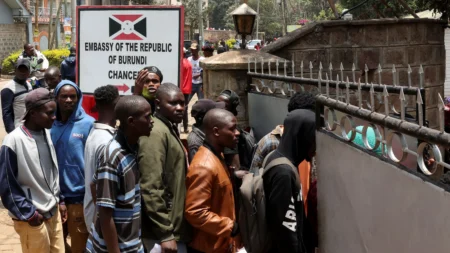
Owino specifically urged undocumented Burundian citizens to present themselves to their respective High Commissions or Embassies for formal identity registration.
“We call upon all undocumented East African Community nationals, and specifically Burundian citizens currently residing in Kenya, to immediately present themselves to their respective High Commissions or Embassies for formal identity registration,” Owino said.
He said the Ministry of Foreign Affairs would work with the Embassy of Burundi and other regional partners to coordinate the process and address individual documentation cases.
Temporary protection during registration
According to the government, individuals who voluntarily enter the registration process during the designated period will be presumed to be legally present in Kenya while their cases are being processed.
The arrangement is intended to allow those undergoing registration to access essential services, including healthcare and banking, while also providing protection under the law during the regularisation process.
Owino said the government recognises that some East African nationals have lived and worked in Kenya without complete documentation because of historical circumstances and regional movement.
He warned that undocumented status can expose affected individuals to exploitation, difficulties accessing healthcare and unnecessary harassment by law enforcement.
The government has consequently directed national security agencies, local authorities and businesses not to subject foreign nationals, including those undergoing registration, to arbitrary harassment, intimidation or discrimination.
Owino also warned against attempts to use the government’s recent immigration and trade directives to promote xenophobia or mistreatment of citizens from neighbouring countries.
He said anyone found exploiting the measures to target Kenya’s neighbours would face the full force of the law.
Government rejects claims of blanket ban
The announcement comes amid public debate and media reports over recent government directives concerning foreign workers, small-scale retail and informal trade.
Owino said the measures should not be interpreted as a blanket ban on foreign nationals.
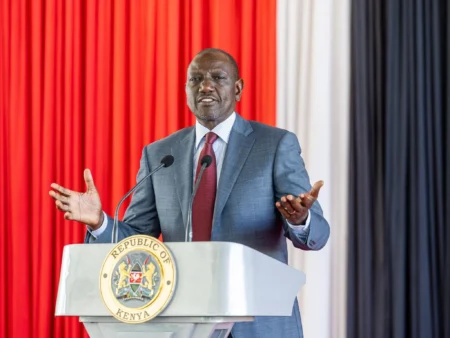
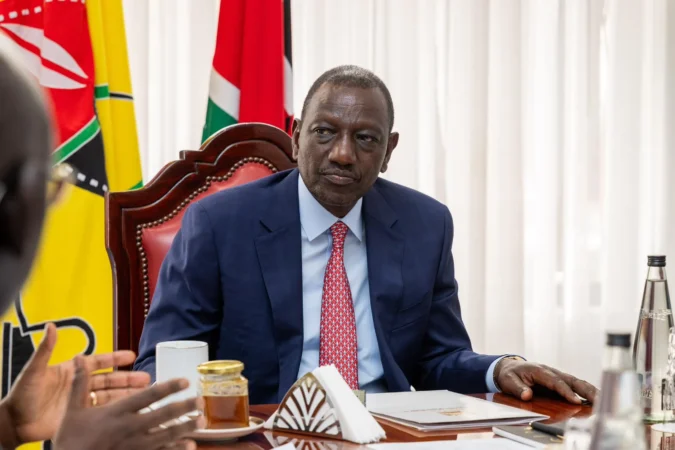
He said President William Ruto issued the directives on September 2 as part of efforts to protect vulnerable sectors of the domestic economy, safeguard local livelihoods and strengthen the integrity of national identity systems.
The government has maintained that the measures are aimed at regulating economic activity rather than targeting citizens of neighbouring East African countries.
Also Read: Ruto orders orders crackdown on foreigners operating small businesses
Owino also rejected reports suggesting that Kenya’s actions amounted to hostile treatment of foreign nationals, saying some international media coverage had misinterpreted the administrative measures.
“We note with concern that some media reports — including recent coverage by international outlets such as Le Monde — have misinterpreted these administrative measures as a blanket ban or hostile action targeting foreign nationals, particularly those from our neighboring East African states,” he said.
Kenya reaffirms EAC commitments
The government is also strengthening monitoring of migrant safety in urban centres in partnership with civil society organisations and humanitarian groups.
Owino said the measures are consistent with Kenya’s obligations under the East African Community Common Market Protocol and do not amount to a withdrawal from regional integration commitments.
He reaffirmed Kenya’s longstanding relationship with its neighbours, citing shared history, culture and economic ties.
The registration initiative is therefore intended to bring undocumented East African nationals into the formal identification and immigration system while limiting the risk of harassment during the process.
The government has urged affected individuals to use the designated registration channels rather than remain outside the formal documentation process.