




BOSTON, United States — A genetically modified pig kidney kept a patient with end-stage kidney disease off dialysis for 271 days, marking the longest reported dialysis-free survival following a pig-to-human kidney transplant.
The case, involving 66-year-old Tim Andrews, is being described by doctors at Mass General Brigham as evidence that genetically engineered pig organs could eventually serve as a “bridge” for patients waiting for a human donor kidney.
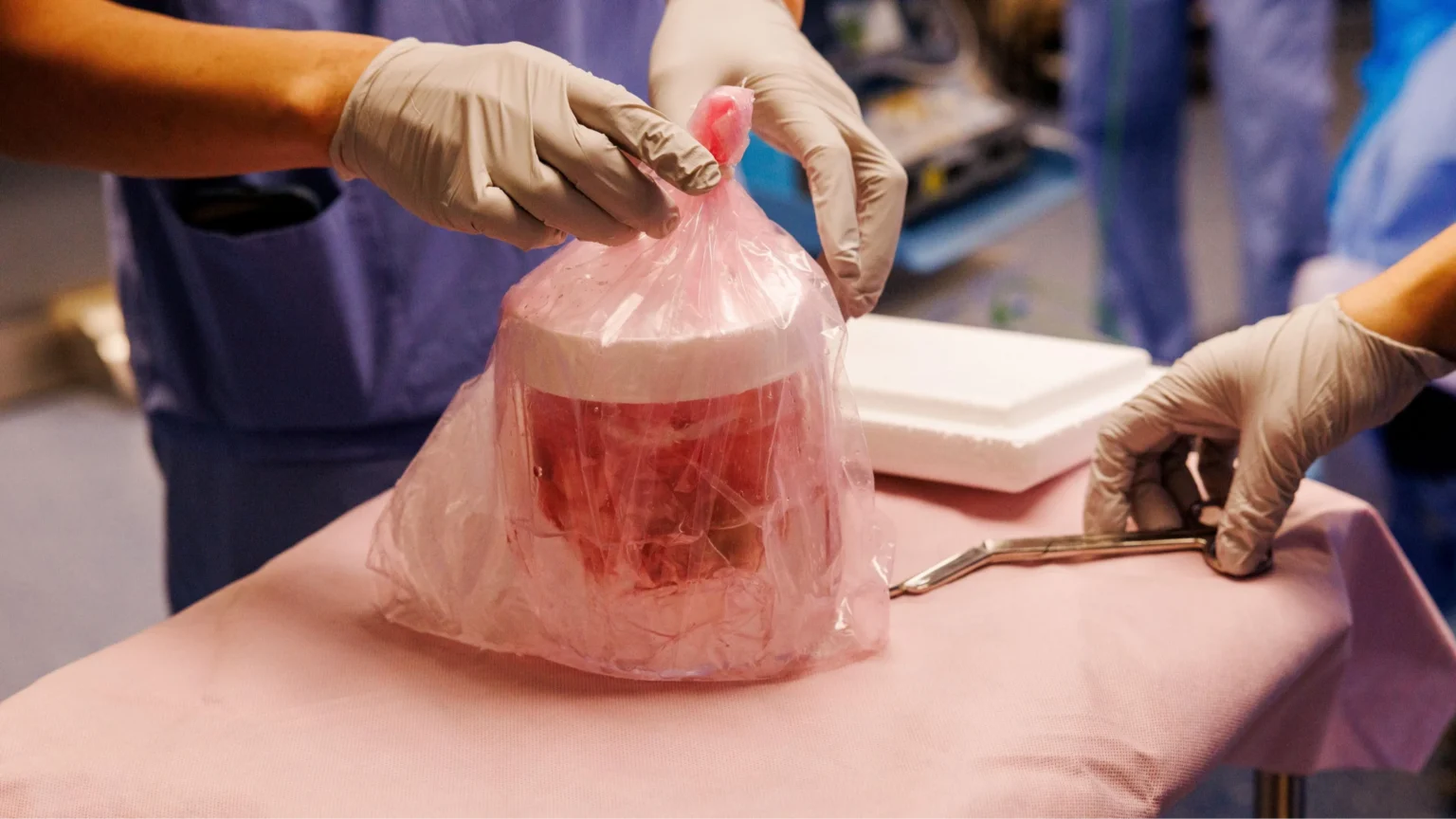
Andrews received the pig kidney at Massachusetts General Hospital in January 2025. The organ began functioning immediately and allowed him to remain free from dialysis for more than nine months.
In January 2026, he received a human kidney from a deceased donor. The human transplant began functioning immediately and has continued to work well, according to his doctors.
For Andrews, the experimental transplant offered a way out of the uncertainty and physical burden of long-term dialysis.
“I had a little bit of a shortage of time,” he said, describing the prospect of spending years waiting for a suitable human kidney while remaining dependent on dialysis.
He said the possibility of receiving a pig kidney represented “hope” and a chance to live without being tied to a dialysis machine.
Pig kidney eventually failed
The transplanted kidney did not provide a permanent solution.
Doctors detected an early episode of T-cell-mediated rejection, which was successfully treated by adjusting Andrews’ medication. No evidence of transmission of pig pathogens was detected during monitoring.
After about six months, however, the kidney began developing damage to its small blood vessels and became inflamed.
The organ eventually failed and was removed in October 2025. Andrews subsequently returned to dialysis for 82 days before receiving his human donor kidney in January 2026.
Researchers said the precise cause of the late failure remains unclear. There were no signs that antibodies were attacking the transplanted pig kidney, although the organ developed microvascular injury and inflammation.
The findings have been published in The Lancet in a report examining the use of porcine kidney xenotransplantation as a bridge to human transplantation.
Why use pig organs?
Xenotransplantation — the transplantation of organs or tissues between different species — is being investigated as a potential response to the global shortage of human donor organs.
Kidneys are particularly important because many patients with end-stage kidney disease spend years on dialysis while waiting for transplantation.
Mass General Brigham says more than 100,000 people in the United States are waiting for an organ transplant, while fewer than 40,000 transplants are performed annually.
Pigs are considered promising donors because their organs are broadly comparable in size to human organs and pigs can be bred under controlled conditions.
But an ordinary pig kidney would be rapidly attacked by the human immune system.
To overcome this barrier, researchers use genetic engineering to modify pig organs before transplantation.
The kidney implanted in Andrews came from a genetically edited pig and contained 69 genomic modifications. These edits were designed to remove pig genes that can trigger rejection, add human genes intended to improve compatibility with the human immune system, and inactivate porcine endogenous retroviruses to reduce the risk of infection.
A potential bridge between dialysis and transplant
The researchers say the most important lesson from Andrews’ case may not be that pig kidneys can permanently replace human kidneys, but that they could eventually help patients survive the waiting period before a suitable human organ becomes available.
Dr Leonardo Riella, of Mass General Brigham’s Center for Transplantation Sciences, said the shortage of donor organs had created a crisis in transplantation.
“Our vision is that xenotransplantation could help address this gap — initially as a bridge to get patients off dialysis while they wait for a human donor kidney,” Riella said.
The approach could be particularly valuable for patients facing long waits for a donor organ and the health complications associated with prolonged dialysis.
Researchers are also investigating whether future genetically engineered pig organs could eventually function for much longer periods and potentially become a treatment in their own right.
Significant progress, but major hurdles remain
Andrews’ case represents a significant advance, but researchers caution that xenotransplantation remains experimental.
The world’s first genetically edited pig kidney transplant into a living human was performed at Massachusetts General Hospital in March 2024. That recipient survived 52 days after transplantation before dying from cardiac causes unrelated to the transplant.
Also Read: Scientists achieve first human transplant of ‘universal’ kidney using enzyme conversion
Since then, researchers have continued refining both the genetic modifications made to donor pigs and the drugs used to control the recipient’s immune response.
The Andrews case provides new information about what can happen when immune rejection is initially controlled but the transplanted organ later develops vascular damage and inflammation.
For researchers, that information is as important as the 271-day survival itself.
“This case illustrates both the promise and the remaining challenges of clinical kidney xenotransplantation,” the researchers wrote in their Lancet report.
For Andrews, however, the experimental transplant ultimately achieved something that conventional treatment could not: it gave him more than nine months without dialysis while he waited for a human donor kidney.
His experience offers researchers a potential model for a future in which genetically engineered animal organs could temporarily bridge the gap between kidney failure and a life-saving human transplant.