

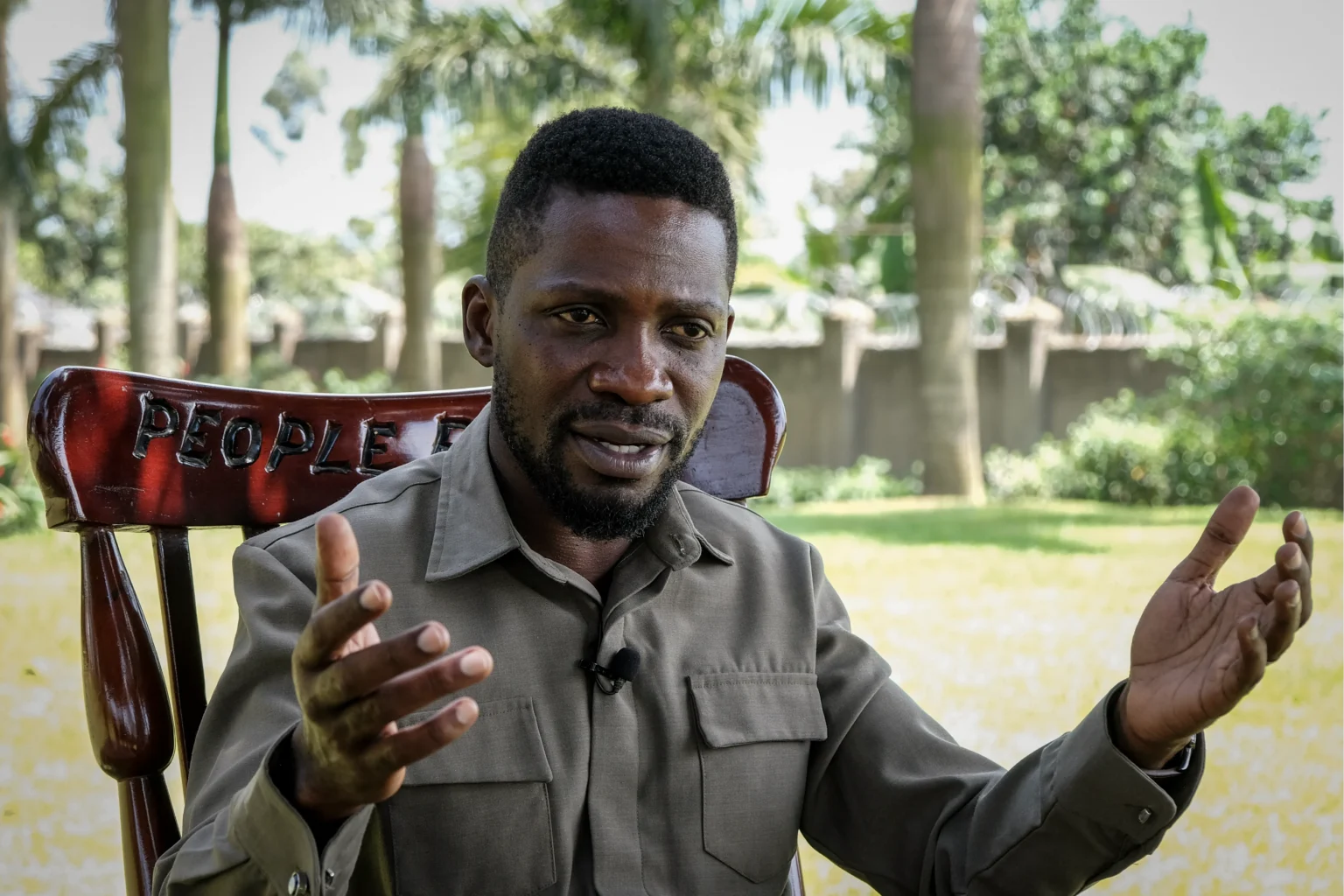
KAMPALA, Uganda — Exiled National Unity Platform (NUP) party president Robert Kyagulanyi, popularly known as Bobi Wine, has said he deliberately republishes social media posts by Chief of Defence Forces (CDF) Gen Muhoozi Kainerugaba to expose Uganda’s leadership to greater international scrutiny rather than to increase the army chief’s popularity.
Speaking in an interview with journalist Isaac Kaiyz Kawalya, the opposition leader rejected suggestions that repeatedly sharing Gen Kainerugaba’s posts on X was helping elevate his public profile.
Instead, Bobi Wine argued that amplifying the posts allows the international community to witness statements and conduct that he says reflect the state of governance and human rights in Uganda.
“I do not like what Museveni does, but it is important that I show it to the world. I show the world the evil that he does, because when I am the one speaking it seems that I am telling lies,” Bobi Wine said.
Referring to Gen Kainerugaba, he added:
“When he posts on social media, he does not have a lot of followers like me. That is why when he posts, I come out and amplify it to the world. Then he thinks I am promoting him.”
Bobi Wine said he was aware that attention on social media could increase a public figure’s visibility but insisted his objective was different.
“I have been a star for all these years. I know what it means to have attention, which is what he craves. It helps the citizens and those who seek our freedom to show the world that this is the evil that this person is doing.”
“I want the world to see him. I want to make him popular so people can see him.”
The opposition leader compared his strategy to international campaigns that highlighted abuses under South Africa’s apartheid government.
“I have mentioned before that if the crimes of the Apartheid regime were not exposed by Mandela and his people to the world, he would have continued to be seen as a terrorist.”
Bobi Wine also claimed that sustained international advocacy had influenced changes in United States assistance to Uganda.
“The US has been sending $1 billion a year; they have reduced this amount because we exposed the president.”
He did not provide evidence directly linking reductions in U.S. assistance to his advocacy efforts. Washington has, in recent years, adjusted aspects of its engagement with Uganda, citing governance and human rights concerns alongside other policy considerations.
In recent months, Bobi Wine has repeatedly reposted Gen Kainerugaba’s statements on X, particularly those directed at opposition politicians, human rights activists and foreign diplomats.
He has frequently accompanied the reposts with commentary accusing the Ugandan government of repression and urging foreign governments and international organisations to pay closer attention to developments in the country.
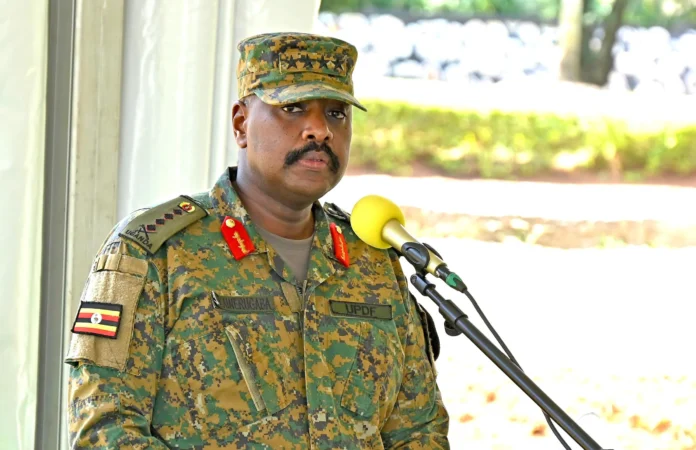
Gen Kainerugaba, who commands the Uganda People’s Defence Forces (UPDF), has become one of Uganda’s most followed political figures on social media and regularly comments on political, diplomatic and security matters through his X account.
Bobi Wine has remained outside Uganda since mid-March after leaving the country following the disputed January 15, 2026, general election.
He has said he fled because he feared for his safety following military operations around his home and what he described as repeated public threats by Gen Kainerugara.
Also Read: Baryomunsi, Gen Muhoozi trade barbs over social media posts
Since relocating abroad, the NUP leader has held meetings in Washington with members of the U.S. Congress and other American officials, lobbying for increased international pressure on President Yoweri Museveni’s administration over governance, democracy and alleged human rights violations.
He has also appeared in interviews with several international media organisations as part of efforts to draw global attention to Uganda’s political situation.
The Ugandan government has consistently rejected allegations of widespread political persecution, maintaining that security agencies act within the law to preserve public order and national security.