


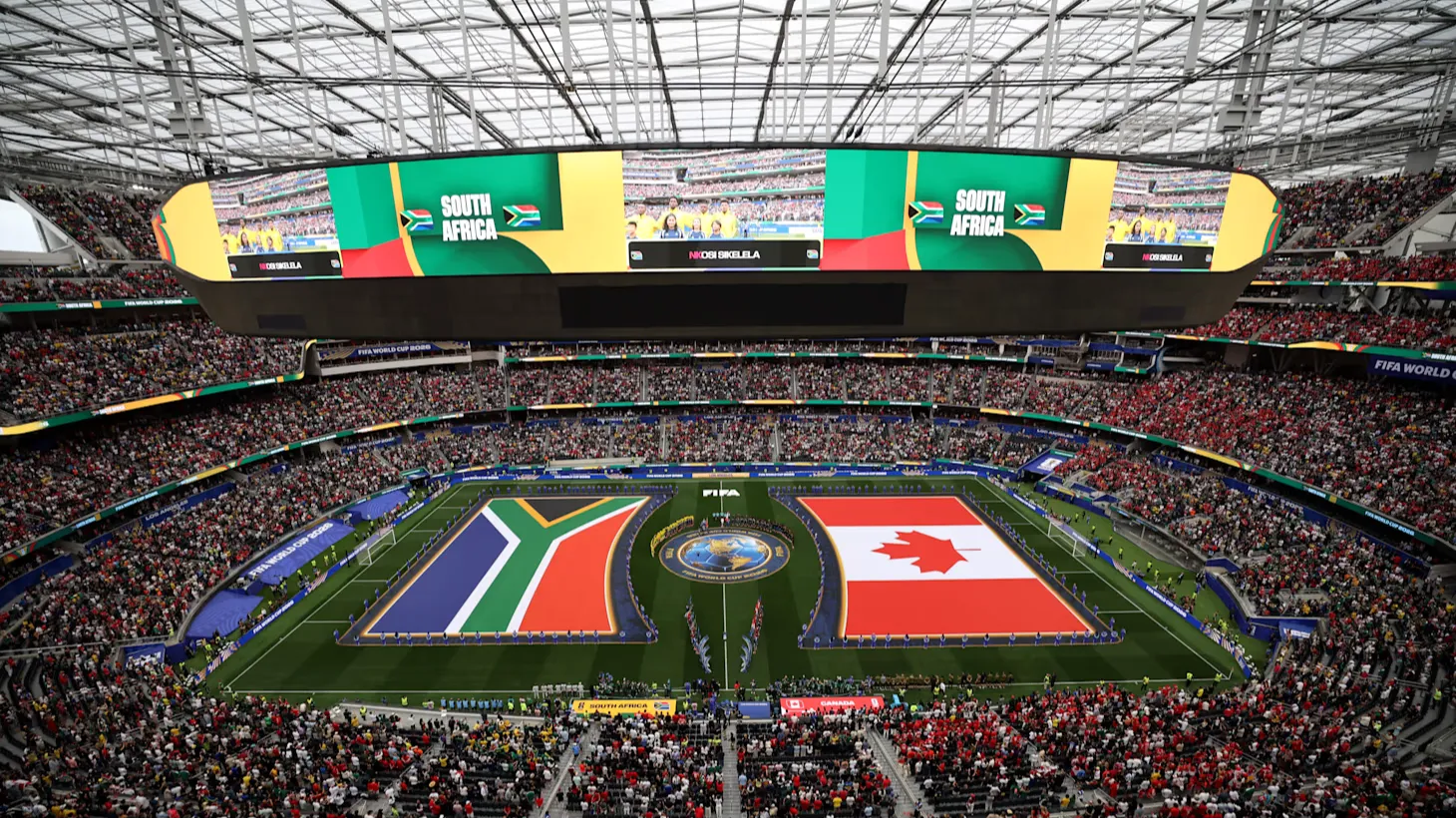
JOHANNESBURG, South Africa — South Africa’s 2026 FIFA World Cup journey came to an end after a narrow 1-0 defeat to Canada in the Round of 32, but the final whistle marked the beginning of a much larger conversation across Africa’s digital landscape.
What initially appeared to be a routine football discussion quickly evolved into a broader debate touching on regional rivalries, African identity, xenophobia, national pride and the increasingly blurred line between sport and politics.
Across platforms such as X, TikTok, Facebook and Instagram, millions of users reacted to Bafana Bafana’s elimination, transforming a sporting result into one of the continent’s most discussed online topics.
A painful end to a promising campaign
South Africa entered the knockout stage having exceeded many pre-tournament expectations.
The team demonstrated tactical discipline, resilience and growing maturity throughout the competition, earning praise from analysts who viewed the campaign as evidence of the country’s footballing progress.
However, Canada’s victory ended hopes of a deeper run and brought an abrupt conclusion to what many supporters regarded as one of South Africa’s strongest World Cup performances in recent years.
While disappointment dominated among South African supporters, reactions elsewhere across the continent were far more varied.
Football rivalry takes centre stage
As is often the case after major international tournaments, football banter quickly erupted online.
The most visible exchanges involved supporters from South Africa and Nigeria, two of Africa’s largest footballing nations with a long history of sporting rivalry.
Memes, parody videos and celebratory posts circulated widely following Bafana Bafana’s elimination.
Some Nigerian supporters openly celebrated South Africa’s exit, while others shared humorous content referencing Canada’s victory.
Sports journalist Micky Jnr summarized the mood on social media:
“Some reactions are going viral after South Africa’s exit from the World Cup at the hands of Canada.
While Bafana Bafana fans are left disappointed, some supporters from Nigeria were seen celebrating the elimination and even vibing to a song titled ‘Canada.’
Football rivalry, banter and emotions all mixed in one moment.”
Such exchanges are common in international football and often reflect long-standing sporting rivalries rather than genuine hostility.
Yet this particular discussion soon expanded beyond football.
When football meets politics
As reactions intensified, another theme began to emerge.
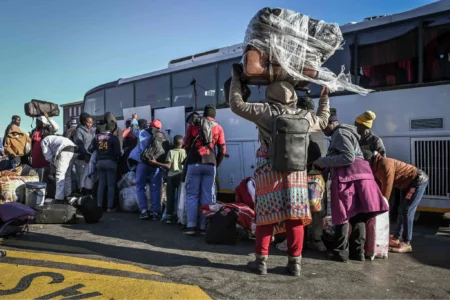
Many social media users referenced South Africa’s history of xenophobic violence and attacks against foreign nationals during discussions about the result.
Posts linking the team’s elimination to past incidents involving migrants appeared across multiple platforms, generating thousands of comments and shares.
Archived news reports, videos and images from previous xenophobic attacks resurfaced alongside discussions of the match.
Some users argued that South Africa’s treatment of fellow Africans had shaped how many people across the continent viewed Bafana Bafana’s defeat.
One widely shared post read:
“I slept very well because that xenophobic South Africa country was eliminated last night from the World Cup.
If you can’t co-exist with your fellows, why do you want to participate in international matters where everyone else is?”
The comment reflected sentiments expressed by a section of users who viewed the football result through the lens of broader social and political grievances.
Pushback against collective blame
However, many others strongly rejected attempts to connect footballers and ordinary supporters to complex societal issues.
Critics argued that holding a national football team responsible for the actions of individuals or political developments was unfair and counterproductive.
Several users urged Africans to separate sporting competition from broader political disagreements.
Others pointed out that South Africa itself contains diverse opinions and communities, including many citizens who have openly condemned xenophobia and worked to promote African unity.
Football commentators and civil society voices also warned that using sporting defeats to revive social tensions risked deepening divisions rather than encouraging constructive dialogue.
Pride despite defeat
Amid the online disputes, many South Africans chose to focus on the positives of the campaign.
Supporters, former players and football analysts praised the team’s performance and highlighted how far Bafana Bafana had progressed since previous international tournaments.
Posts celebrating memorable goals, defensive performances and key victories circulated widely.
Many observers noted that South Africa had demonstrated significant improvement in organisation, competitiveness and tactical discipline.
Digital creator PeakSxnti captured a sentiment shared by many football fans across Africa:
“To be fair to this South Africa team, they played their heart out.
Their football has developed a lot in recent years, and they have one of the best leagues in Africa, so if you think I will join you lot in laughing at a fellow African country for coming this far…”
The comments reflected a broader view that South Africa’s World Cup campaign deserved recognition regardless of the final result.
A broader African story
The online reaction to South Africa’s elimination illustrates how major sporting events increasingly serve as platforms for wider social conversations.
Football remains one of Africa’s most powerful cultural forces, capable of uniting communities while simultaneously exposing underlying tensions and unresolved debates.
Also Read: History as nine African teams reach 2026 FIFA World Cup knockout stage
The discussions surrounding Bafana Bafana’s exit revealed not only the passion of African football supporters but also the complex relationships between nations that share history, migration patterns, economic ties and political challenges.
For some, Canada’s victory was simply a football result.
For others, it became an opportunity to revisit broader concerns about identity, solidarity and belonging across the continent.
Beyond the memes
As the World Cup moves into the later knockout rounds, South Africa’s campaign may ultimately be remembered for more than its results on the pitch.
The tournament showcased a team that exceeded expectations and demonstrated the growing strength of South African football.
At the same time, the online reaction highlighted how football often acts as a mirror for deeper societal conversations.
Whether viewed through the lens of sporting rivalry, national pride or continental relations, Bafana Bafana’s exit has become one of the defining African narratives of the 2026 FIFA World Cup.
And while the team may be out of the tournament, the conversations it sparked are likely to continue long after the final whistle.