


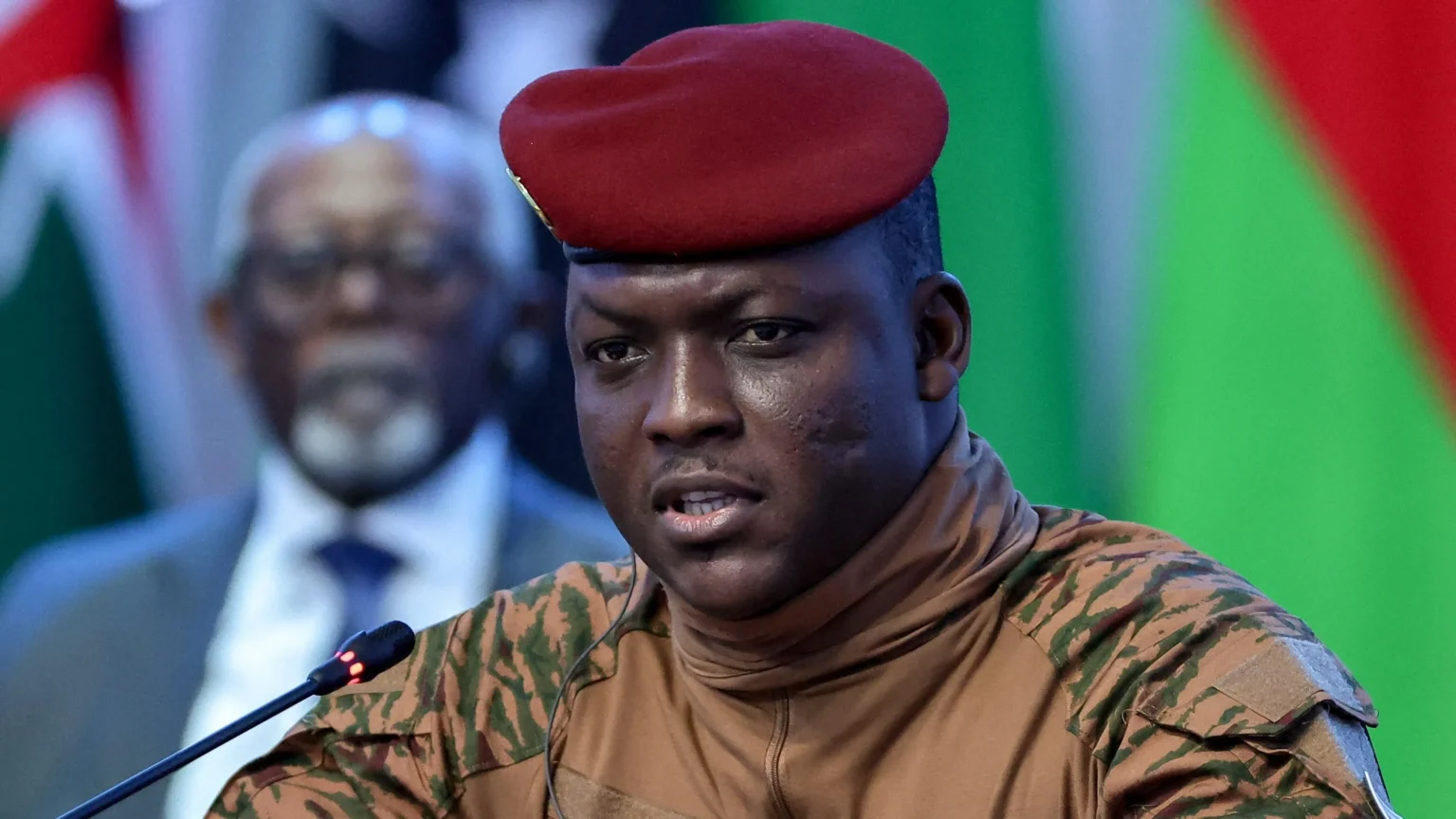
OUAGADOUGOU, Burkina Faso — Burkina Faso’s military government has officially severed diplomatic relations with France, escalating a years-long deterioration in ties between the West African nation and its former colonial ruler.
In a statement issued on Friday, the ruling junta announced that diplomatic relations with France had been terminated with immediate effect, accusing Paris of pursuing “blatant neo-colonial ambitions” and supporting activities aimed at destabilising the country.
The government alleged that France had provided backing to “subversive networks and terrorists,” although it did not present evidence to support the claims.
The move marks the latest chapter in a rapidly worsening relationship that has seen Burkina Faso distance itself from traditional Western allies while strengthening ties with alternative international partners.
France swiftly rejected the accusations, describing the decision as unjustified and regrettable.
French Foreign Ministry spokesperson Pascal Confavreux said Paris viewed the move as a hostile action that reflected what he described as a troubling direction taken by Burkina Faso’s military authorities.
“France regrets this hostile and unfounded decision, which illustrates the worrying drift of the Burkinabè authorities,” Confavreux said in a statement.
He added that France was considering reciprocal measures and was closely monitoring the security situation for French diplomats and citizens still residing in Burkina Faso.
French authorities also urged their nationals in the country to remain vigilant amid uncertainty surrounding the diplomatic fallout.
Burkina Faso’s government defended the decision as necessary to protect national sovereignty and independence.
Communications Minister Pingdwende Gilbert Ouedraogo said the conditions required for healthy diplomatic relations no longer existed.
“The conditions essential for fostering relations based on mutual respect, reciprocal trust, and respect for the principle of non-interference in internal affairs and national sovereignty are no longer met,” Ouedraogo said.
The government has increasingly accused foreign powers of attempting to influence domestic affairs since military leaders seized power in a 2022 coup.
France was once Burkina Faso’s principal security partner, providing military support as the country battled extremist groups linked to al-Qaeda and the Islamic State.
However, relations deteriorated sharply after the military takeover.
In 2023, Burkina Faso demanded the recall of France’s ambassador and later expelled several French diplomats over allegations of subversive activities.
The junta also requested the withdrawal of French military forces that had been deployed in the country to assist in counterterrorism operations.
The latest diplomatic rupture formalises a separation that had been gradually unfolding over the past three years.
Burkina Faso remains one of the countries hardest hit by insecurity in the Sahel region, which has become the world’s deadliest hotspot for extremist violence.
Despite pledges by the military government to restore security, attacks by armed groups continue across large parts of the country.
The conflict has also generated increasing scrutiny of the conduct of security forces.
According to a recent report by Human Rights Watch, government forces were allegedly responsible for a significant share of civilian deaths recorded between January 2023 and August 2025.
Also Read: Mali and Burkina Faso impose travel ban on US citizens in retaliation
The report stated that at least 1,200 of the 1,837 civilian deaths documented during that period were attributed to state security forces, while the remainder were linked to extremist groups.
Burkinabe authorities have previously defended their security operations as necessary in the fight against terrorism.
It remains unclear how the decision will affect the operations of France’s embassy in Ouagadougou or what practical measures will follow the diplomatic break.
Analysts say the move underscores a broader geopolitical shift across parts of the Sahel, where military-led governments in countries including Burkina Faso, Mali and Niger have increasingly distanced themselves from France while seeking new security and political partnerships.
The latest development is likely to further reshape regional diplomatic dynamics as Burkina Faso continues to redefine its foreign policy amid ongoing security challenges.