


KAMPALA, Uganda — Former Kenyan President Uhuru Kenyatta has arrived in Kampala ahead of the inauguration ceremony of Ugandan President Yoweri Museveni, which is expected to bring together regional leaders, diplomats and senior government officials from across Africa.
In a statement shared through his official social media platforms, Uhuru confirmed his arrival in the Ugandan capital, saying he had been received by senior diplomatic officials upon landing.
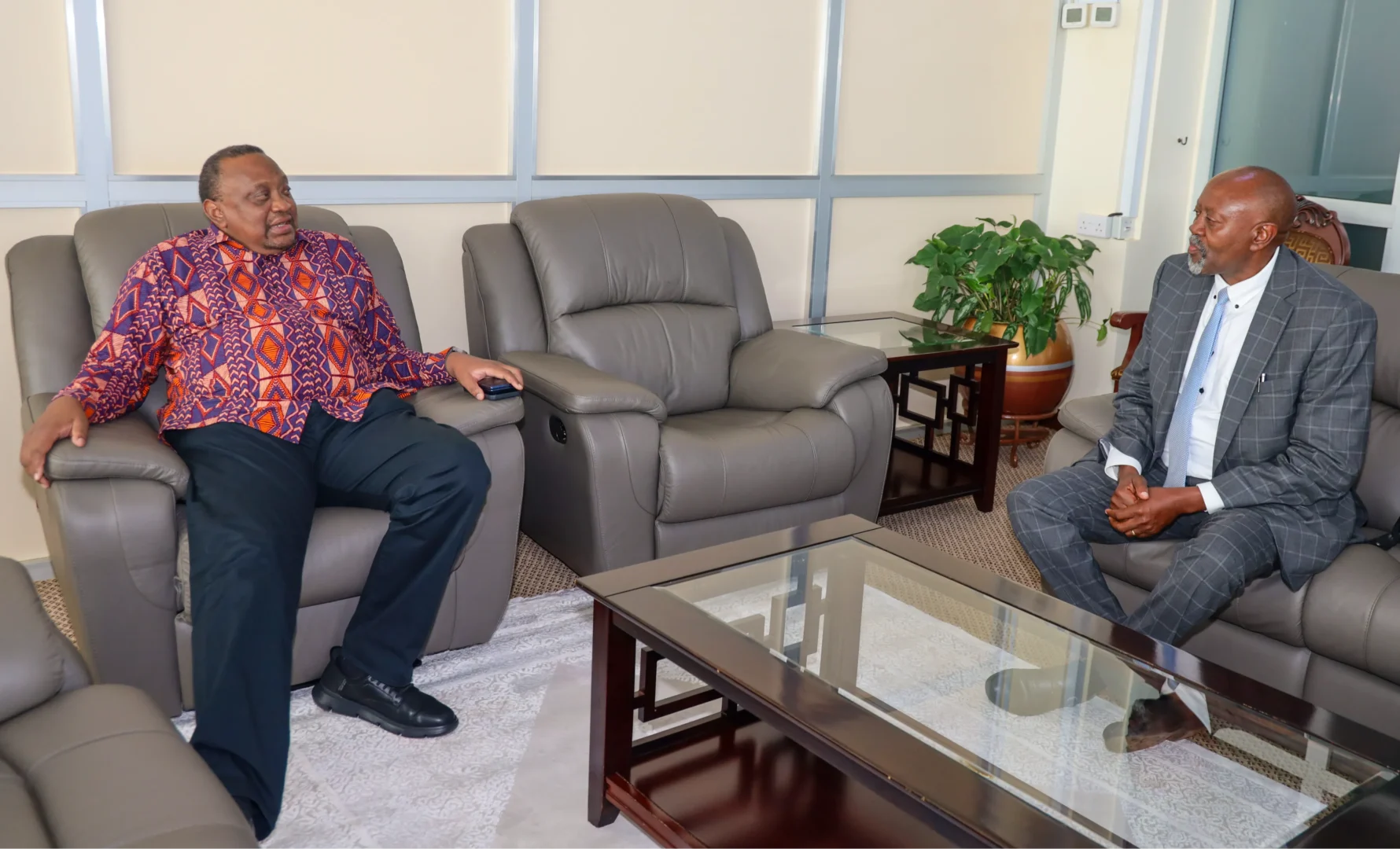
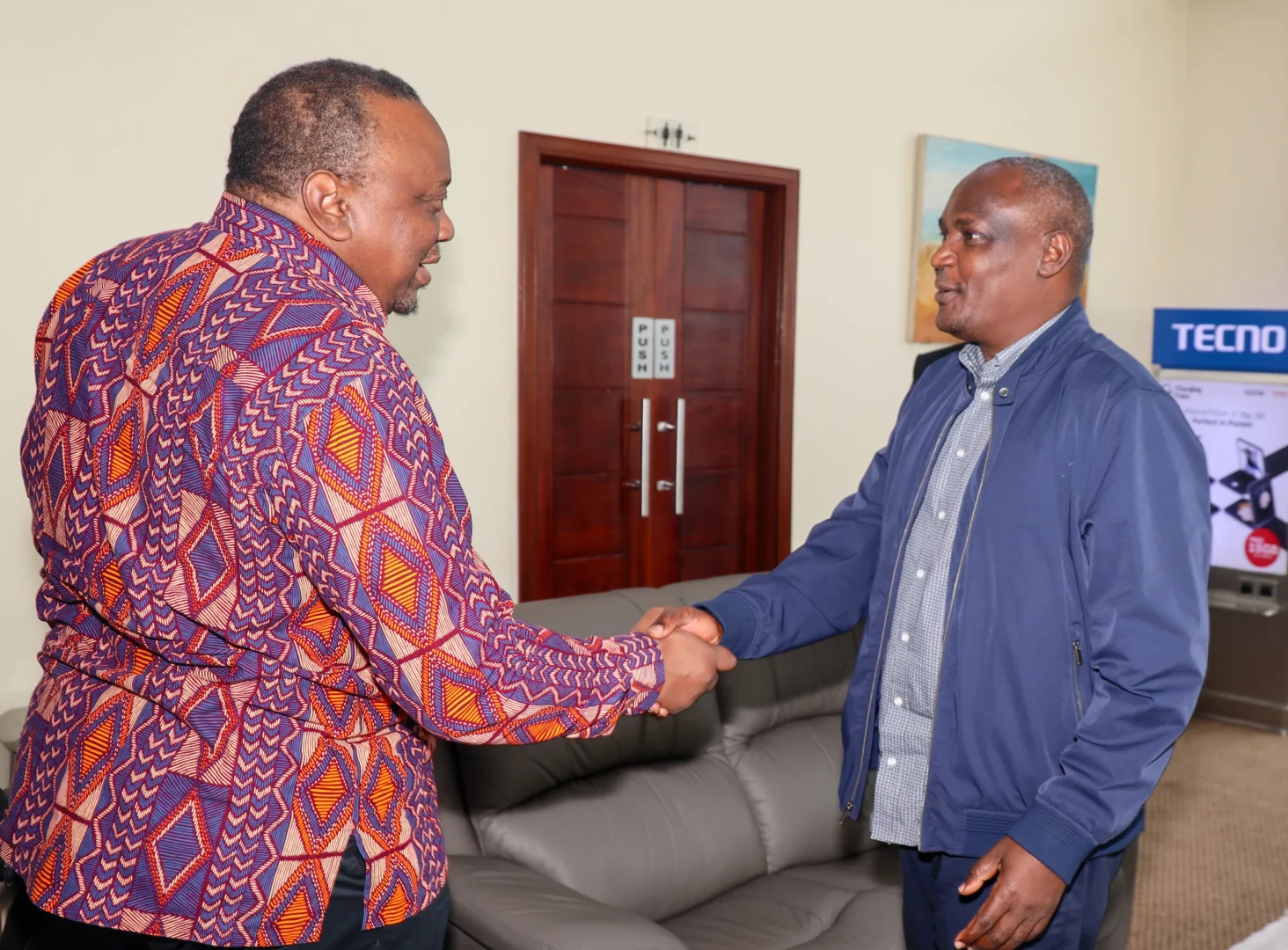
“HE President (Rtd) Uhuru Kenyatta, the 4th President of the Republic of Kenya, has arrived in Kampala to join fellow leaders, government officials, and dignitaries for the Presidential Inauguration Ceremony of H.E. President Yoweri Kaguta Museveni,” the statement read.
According to the statement, Uhuru was received by Ambassador Katureebe Tayebwa alongside Ambassador Kipkosgei Toroitich in line with diplomatic protocol for visiting former heads of state.
The inauguration ceremony is expected to attract several African heads of state, foreign dignitaries and representatives of regional organisations as Uganda formally marks the beginning of Museveni’s new term in office.
Museveni, who has led Uganda since 1986, secured re-election during the country’s January 15 General Election, extending his nearly four-decade hold on power and reinforcing his position as one of Africa’s longest-serving leaders.
Preparations in Kampala have intensified in recent days, with Ugandan authorities rolling out heightened security measures, protocol arrangements and infrastructure preparations ahead of the high-profile event.
The ceremony is also expected to showcase Uganda’s regional diplomatic influence and its role within the East African Community and wider African political landscape.
Uhuru’s attendance is being viewed as a reflection of the longstanding diplomatic and economic ties between Kenya and Uganda, two countries whose economies remain closely interconnected through trade, transport and regional integration projects.
Kenya and Uganda continue to cooperate on several strategic initiatives, including cross-border trade, infrastructure development, energy partnerships and regional security operations.
Political analysts say the presence of former and current African leaders at the inauguration also underscores the importance of Uganda within regional diplomacy, particularly at a time when East Africa continues to navigate security challenges, economic pressures and shifting geopolitical alliances.
Also Read: Uganda ramps up nationwide mobilisation ahead of Museveni inauguration
Museveni’s latest term comes amid growing regional discussions on governance, youth unemployment, digital economies and cross-border security cooperation within East Africa.
Museveni first came to power in 1986 after leading a guerrilla war that toppled the previous government. Over the decades, he has remained a dominant political figure in Uganda through multiple constitutional changes and electoral victories.
His administration has frequently defended its record on infrastructure development, regional stability and economic growth, while critics and opposition figures have continued raising concerns over democratic space, electoral freedoms and political repression.
The inauguration ceremony is expected to formally usher in another term for the veteran leader as Uganda continues positioning itself within evolving regional and continental political dynamics.