



SOUTH ATLANTIC — A suspected viral outbreak aboard a cruise ship in the South Atlantic has left three people dead and triggered an international public health response, according to the World Health Organization (WHO).
Health officials confirmed that at least one case of Hantavirus has been detected, with several additional suspected infections under investigation. One British national remains in intensive care.
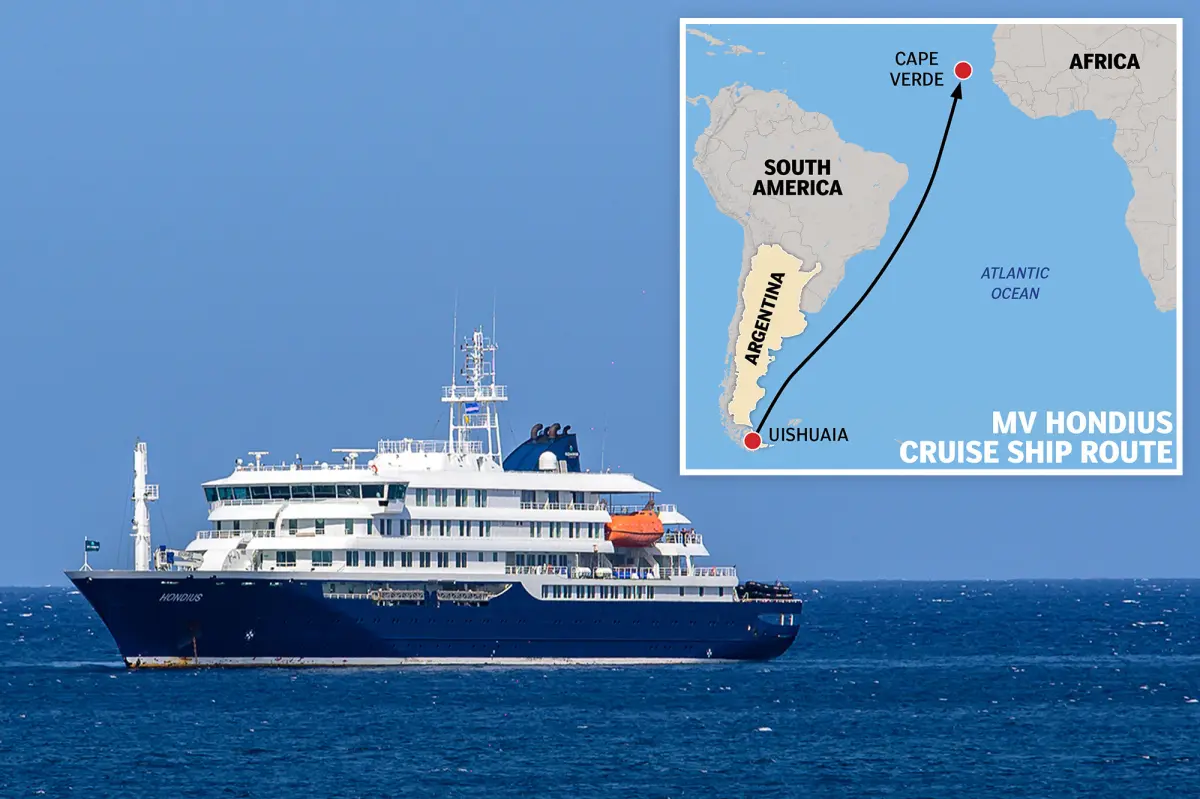
The outbreak occurred on the MV Hondius, operated by Oceanwide Expeditions, which was sailing from Ushuaia to Cape Verde.
Authorities say the first reported case involved a 70-year-old passenger who developed symptoms while on board and later died. His body was transferred to Saint Helena in the South Atlantic.
His 69-year-old wife subsequently fell ill and was evacuated to Johannesburg, where she later died in hospital.
A third fatality has since been confirmed, while another British passenger remains critically ill in intensive care following medical evacuation.
South African health officials had earlier indicated that at least two deaths were linked to the outbreak, underscoring the severity of the incident.
What is Hantavirus?
Hantavirus infections are typically associated with exposure to rodents, particularly through contact with contaminated urine, droppings or saliva. In rare instances, limited human-to-human transmission has been documented.
The virus can cause severe respiratory illness, including Hantavirus Pulmonary Syndrome (HPS), which carries a high fatality rate if not treated promptly.
Symptoms often begin with fever, fatigue and muscle aches, but can rapidly progress to breathing difficulties and organ complications.
The World Health Organization (WHO) has classified the situation as a “public health event” and is working with multiple countries and maritime authorities to manage the response.
Efforts are currently focused on:
- Conducting a full risk assessment
- Coordinating medical evacuations
- Monitoring passengers and crew still on board
- Preventing further spread of the disease
WHO officials say two additional symptomatic passengers are being assessed for evacuation.
The MV Hondius, a 107-metre vessel carrying up to 170 passengers, had departed Argentina on 20 March and was due to conclude its voyage in early May.
Cruise ships have previously been identified as high-risk environments for disease transmission due to close quarters and shared facilities, though Hantavirus outbreaks in such settings remain extremely rare.
While the risk to the general public remains low, health experts note that the outbreak highlights ongoing vulnerabilities in global travel and maritime health monitoring systems.
Also Read: Nipah virus: Deadly, dangerous — but is it the next pandemic?
The incident also raises questions about early detection protocols, onboard medical preparedness, and the handling of infectious diseases in remote maritime routes.
Authorities continue to investigate the source of the outbreak, including whether it originated from environmental exposure or another transmission pathway.
Passengers and crew aboard the vessel are being closely monitored, with isolation protocols likely in place to contain any further spread.
The WHO and national health agencies are expected to release further updates as investigations continue, particularly regarding the suspected cases and the overall risk level.
For now, the outbreak serves as a stark reminder of how quickly infectious diseases can escalate—even in controlled travel environments.