


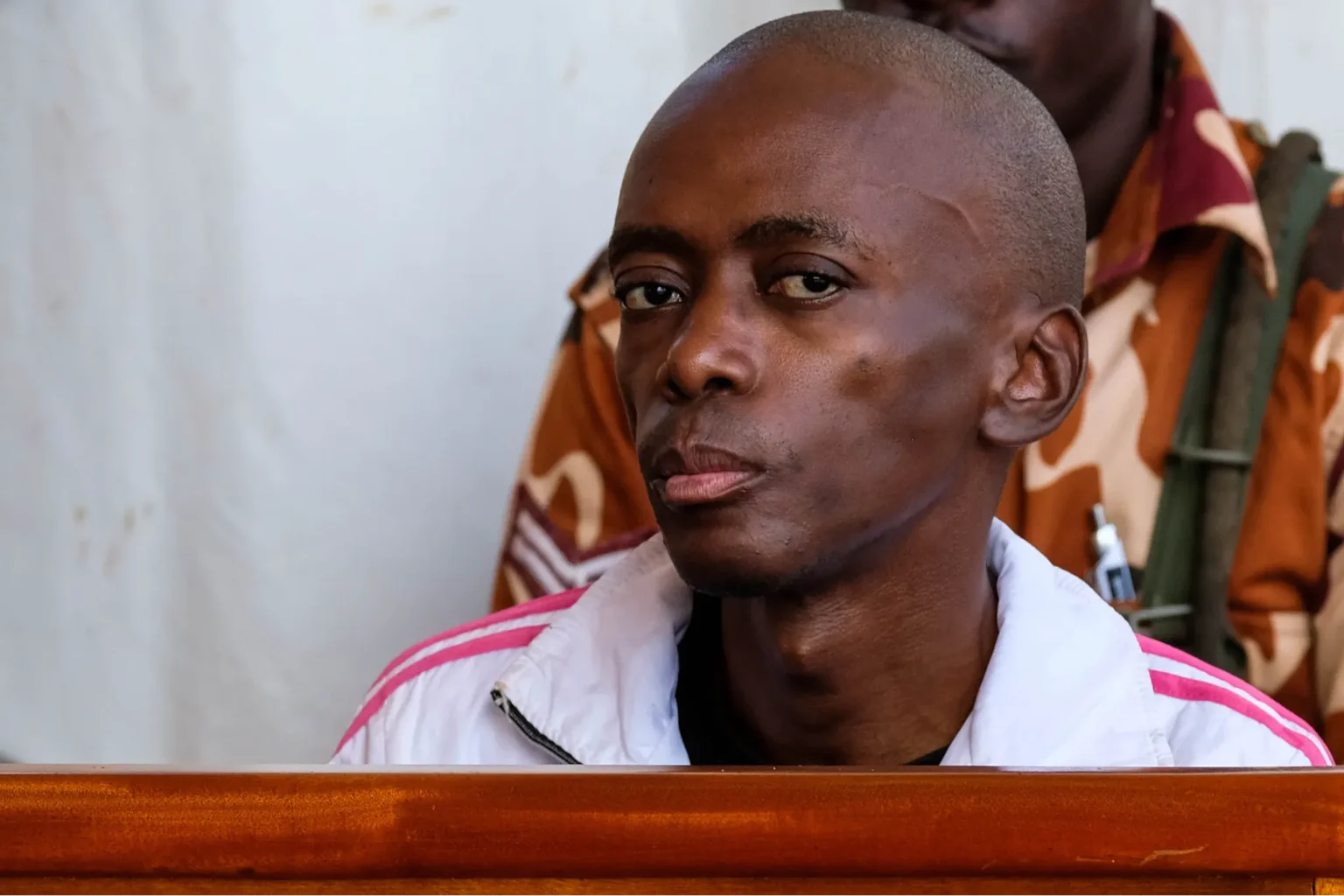
KAMPALA, Uganda — A High Court in Uganda has sentenced Christopher Okello Onyum to death for what the presiding judge described as the “meticulous” and “barbaric” killing of four toddlers at a daycare centre in Ggaba, in one of the country’s most disturbing criminal cases in recent years.
Delivering the sentence near the scene of the April 2, 2026 murders, Justice Alice Komuhangi Khaukha ruled that the gravity and nature of the crimes placed them in the “rarest of the rare” category, warranting the ultimate penalty under Ugandan law.
The victims; Ryan Odeke, Keisha Agenorwoth Otim, Gideon Eteku, and Ignatius Sseruyange—were all under the age of three when they were killed at the Ggaba Early Childhood Development Centre in what prosecutors described as a calculated attack.
The defence, led by lawyer Sarah Awelo, urged the court to impose a lesser sentence, citing Okello’s personal circumstances, including his background as a first-time offender, his upbringing in what she described as a “broken, dysfunctional family,” and his reported struggle with sickle cell disease.
She also pointed to his involvement in farming activities in Nwoya District as evidence of his potential for rehabilitation.
However, the judge rejected these arguments, stating they could not justify the scale and brutality of the crimes.
“I would find no reason why someone would rise or leave their home in the morning to come and slaughter children who are their safe space at school,” the judge stated.
She further said she was convinced that the killings were linked to ritual motives, describing them as “Blood sacrifice for young children.”
Justice Komuhangi Khaukha emphasised that the sentencing decision was guided by the extreme aggravating factors surrounding the case, including the vulnerability of the victims and the apparent level of planning involved.
“Having said that, the convict must be given a sentence that will not only speak to him. But also, to those friends of his whose identities he refused to disclose. And any other person in this country who believes in sacrificing blood for wealth. Let them know that it is highly risky because they will be found. Like Mr. Okello was found. And they will not escape the long arm of the law.”
The court noted that the killings were carried out in a setting meant to provide safety and care for children, amplifying the psychological impact on survivors, caregivers, and the wider community.
Before sentencing, the court gave Okello an opportunity to speak in mitigation. He remained silent despite repeated prompts, a move the judge noted in her ruling.
“The accused person in mitigation. The Court asked him to say something in mitigation, but he chose to keep quiet,” she said.
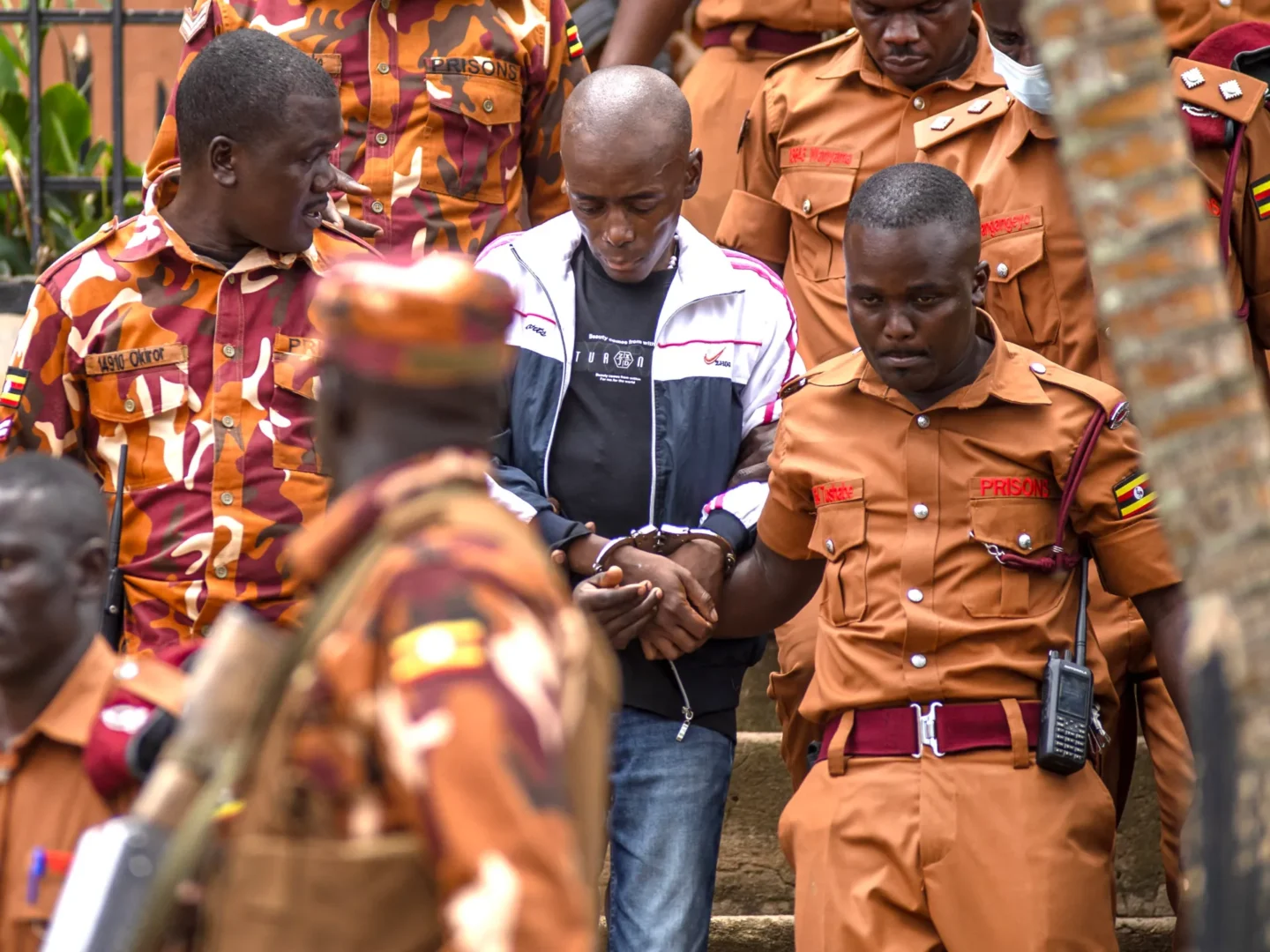
Observers in the courtroom reported emotional scenes, with some family members of the victims breaking down during proceedings.
The prosecution, led by Chief State Attorney Jonathan Muwaganya, argued that the killings were not impulsive but constituted a “well-calculated massacre.”
He described the daycare as a “sanctuary” that had been turned into a site of “unimaginable terror,” with the victims attacked in broad daylight using a knife.
The state further linked the case to broader concerns about violent crime, referencing national crime data that shows persistent homicide levels in Uganda in recent years.
Although Uganda retains the death penalty, it is no longer mandatory following the landmark Susan Kigula case, which granted courts discretion to impose it only in the most severe cases.
Also Read: Christopher Okello Onyum found guilty of murder on all four counts
In practice, executions have not been carried out for over two decades. The last known civilian executions took place in 1999 at Luzira Maximum Security Prison.
Legal analysts note that while courts continue to issue death sentences in exceptional circumstances, such penalties are often subject to appeal and may ultimately be commuted.
The case is expected to reignite debate in Uganda over capital punishment, child protection, and the handling of cases involving alleged ritual killings.
Justice Komuhangi Khaukha observed that the severity of the crime suggested a broader threat, warning that more victims could have been targeted had the accused not been apprehended.
As the legal process moves to its next phase, attention is likely to shift to potential appeals and the broader implications of the ruling for Uganda’s criminal justice system.