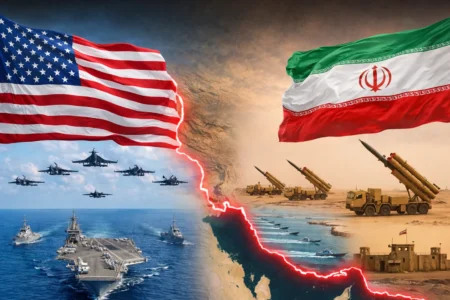



WASHINGTON, D.C., United States — Hopes for a diplomatic breakthrough in the ongoing confrontation between the United States, Israel and Iran have faded, with negotiations to end the two-month conflict stalling amid deep divisions between the parties.
Efforts to revive talks suffered a setback over the weekend after Iran’s Foreign Minister Abbas Araqchi left Islamabad without progress, while US President Donald Trump cancelled a planned diplomatic visit by envoys Steve Witkoff and Jared Kushner.
The developments underscore a widening impasse between Washington and Tehran, raising concerns over prolonged instability in a region critical to global energy markets.
Iranian President Masoud Pezeshkian signalled Tehran’s firm stance, telling Pakistan’s Prime Minister Shehbaz Sharif that Iran would not engage in what he termed “imposed negotiations”.
According to Iranian officials, Tehran is demanding the removal of US-imposed restrictions, including a blockade affecting its ports, before any meaningful talks can proceed.
Diplomatic sources indicated that Iran remains unwilling to accept what it views as “maximalist demands” from Washington, reflecting a broader reluctance to concede under pressure.
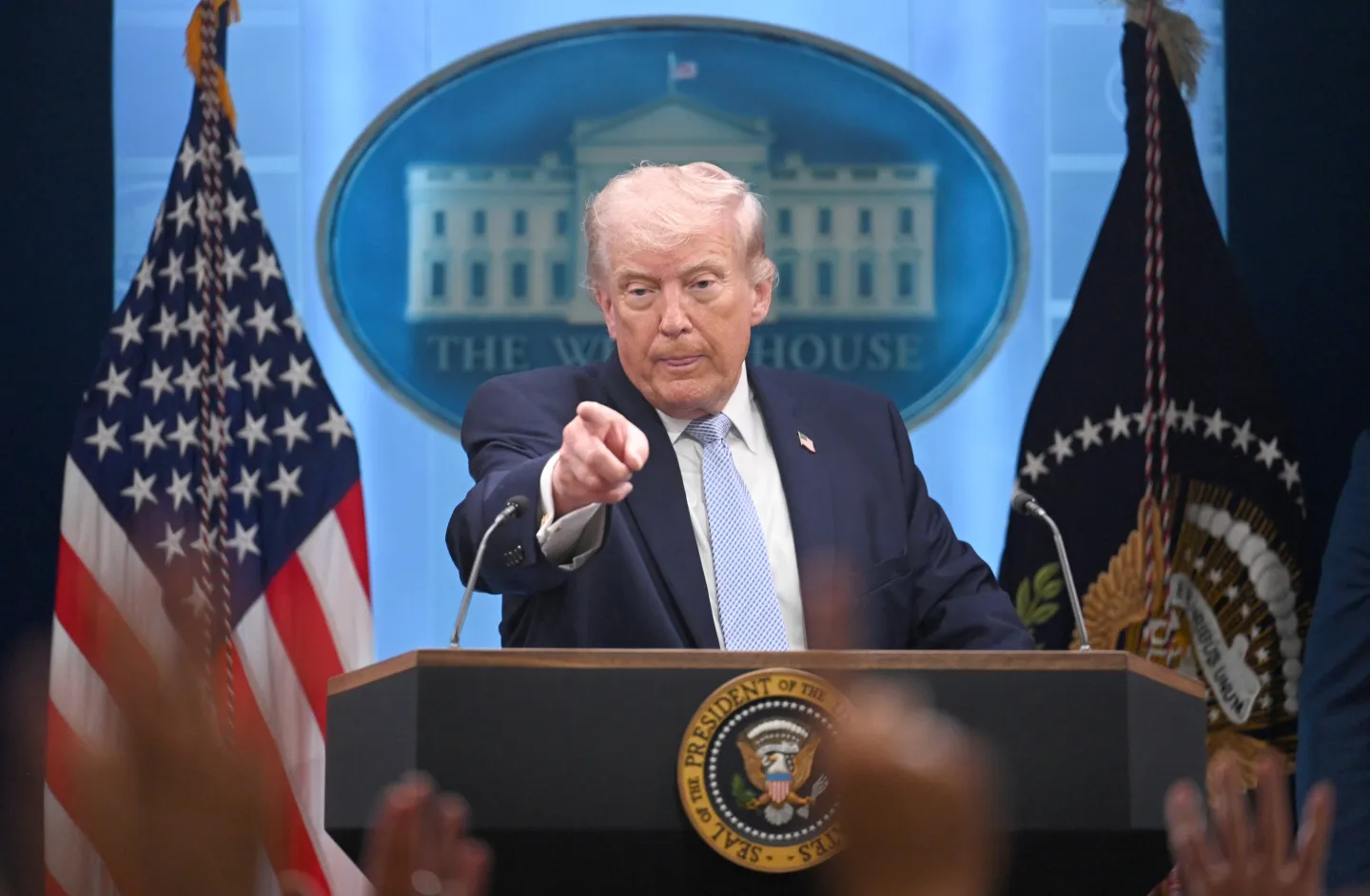
President Trump, speaking in Florida, defended his decision to cancel the diplomatic visit, citing cost concerns and dissatisfaction with Iran’s proposals.
“Iran offered a lot, but not enough,” he said.
In a series of posts on Truth Social, Trump also criticised Iran’s leadership, claiming there was “tremendous infighting and confusion”.
“Also, we have all the cards, they have none! If they want to talk, all they have to do is call!!!” he wrote.
However, Iranian leaders have rejected suggestions of internal divisions, with both Masoud Pezeshkian and senior officials emphasising unity behind the country’s leadership.
The diplomatic deadlock comes as tensions escalate across the region.
Israeli Prime Minister Benjamin Netanyahu has ordered renewed strikes on Hezbollah-linked targets in Lebanon, testing a fragile ceasefire that has held for several weeks.
Meanwhile, Iran has tightened control over the Strait of Hormuz, a critical maritime corridor through which roughly one-fifth of global oil and liquefied natural gas shipments pass.
The United States, for its part, has maintained restrictions on Iran’s oil exports, further intensifying the economic standoff.
The prolonged standoff is already reverberating through global markets.
Energy prices have climbed to multi-year highs, fuelling inflationary pressures and raising concerns about slower global growth.
Also Read: Trump claims Iran has ‘agreed to everything’ in ongoing negotiations
Analysts warn that any further disruption to shipping through the Strait of Hormuz could trigger significant supply shocks, affecting economies far beyond the Middle East.
Despite a ceasefire technically remaining in place, the underlying conflict, sparked by joint US-Israeli airstrikes on Iran in late February, continues to cast a shadow over diplomatic efforts.
Iran has since carried out retaliatory strikes targeting Israel, US military installations and regional allies, deepening the crisis.
While US officials, including Vice President JD Vance, have indicated readiness to resume talks, there is little indication that either side is prepared to compromise in the near term.
With both Washington and Tehran holding firm, the prospect of a negotiated settlement appears increasingly distant, leaving the region on edge and global markets exposed to further volatility.