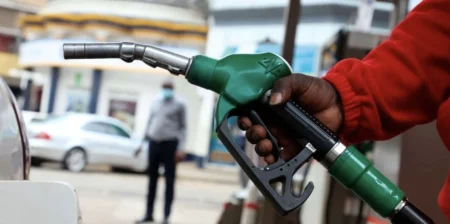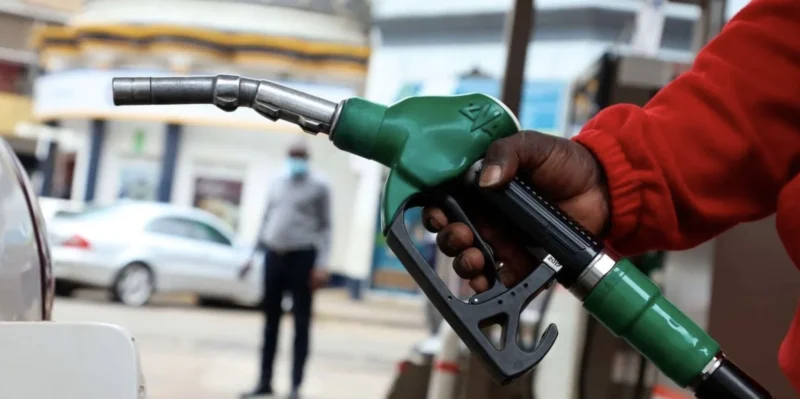





NAIROBI, Kenya — Siaya Governor James Orengo has strongly criticised the recent rise in fuel prices in Kenya, describing the increase as unjustified and economically damaging at a time when households and businesses are already under pressure.
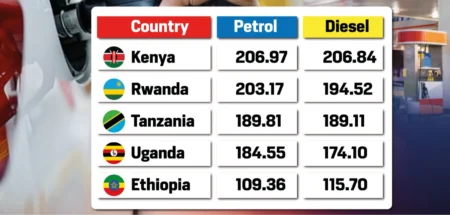
His remarks come amid growing public debate following the latest fuel price review by regulators, which saw pump prices rise sharply across the country, triggering concerns over inflation and transport costs.
Speaking on the development, Orengo warned that higher fuel costs would have far-reaching consequences across multiple sectors, including transport, agriculture, and essential public services such as water distribution.
He noted that both private motorists and public transport users are already feeling the strain of increased fuel prices, with ripple effects expected across the wider economy.
“Any rise in fuel prices affects all other sectors. It translates into higher costs of living and reduced economic activity,” he said.
The Governor also questioned elements of the country’s fuel pricing structure, calling for greater transparency in oil importation and pricing mechanisms.
He suggested that inefficiencies and lack of clarity within the sector could be contributing to elevated costs borne by consumers.
Orengo urged relevant authorities to provide clear explanations on how fuel import decisions are made, warning that failure to do so could undermine public confidence in the system.
On taxation, the Governor dismissed limited adjustments to Value Added Tax (VAT) as insufficient to shield consumers from rising fuel costs.
Instead, he proposed a more aggressive fiscal intervention, recommending that VAT on fuel be reduced to a maximum of six per cent, with some sectors fully exempted to ease pressure on households and businesses.
He argued that such reforms would improve economic competitiveness and stimulate growth, particularly in a global environment marked by persistent inflationary pressures and volatile oil markets.
Also Read: Kenya’s ‘hustler’ president defends fuel strategy amid public anger over rising costs
The remarks come in the wake of a wider national debate over fuel pricing, following recent increases announced by the Energy and Petroleum Regulatory Authority (EPRA).
The regulator attributed the adjustments to global oil market fluctuations, exchange rate pressures, and landed import costs.
Economists have warned that sustained fuel price increases are likely to:
- Push up transport and production costs
- Increase food prices
- Strain household budgets
- Slow down economic activity