


KAMPALA, Uganda — Uganda’s entertainment industry could soon face a new tax regime after the government proposed a 6 per cent withholding tax on income earned by public entertainers from concerts and live performances.
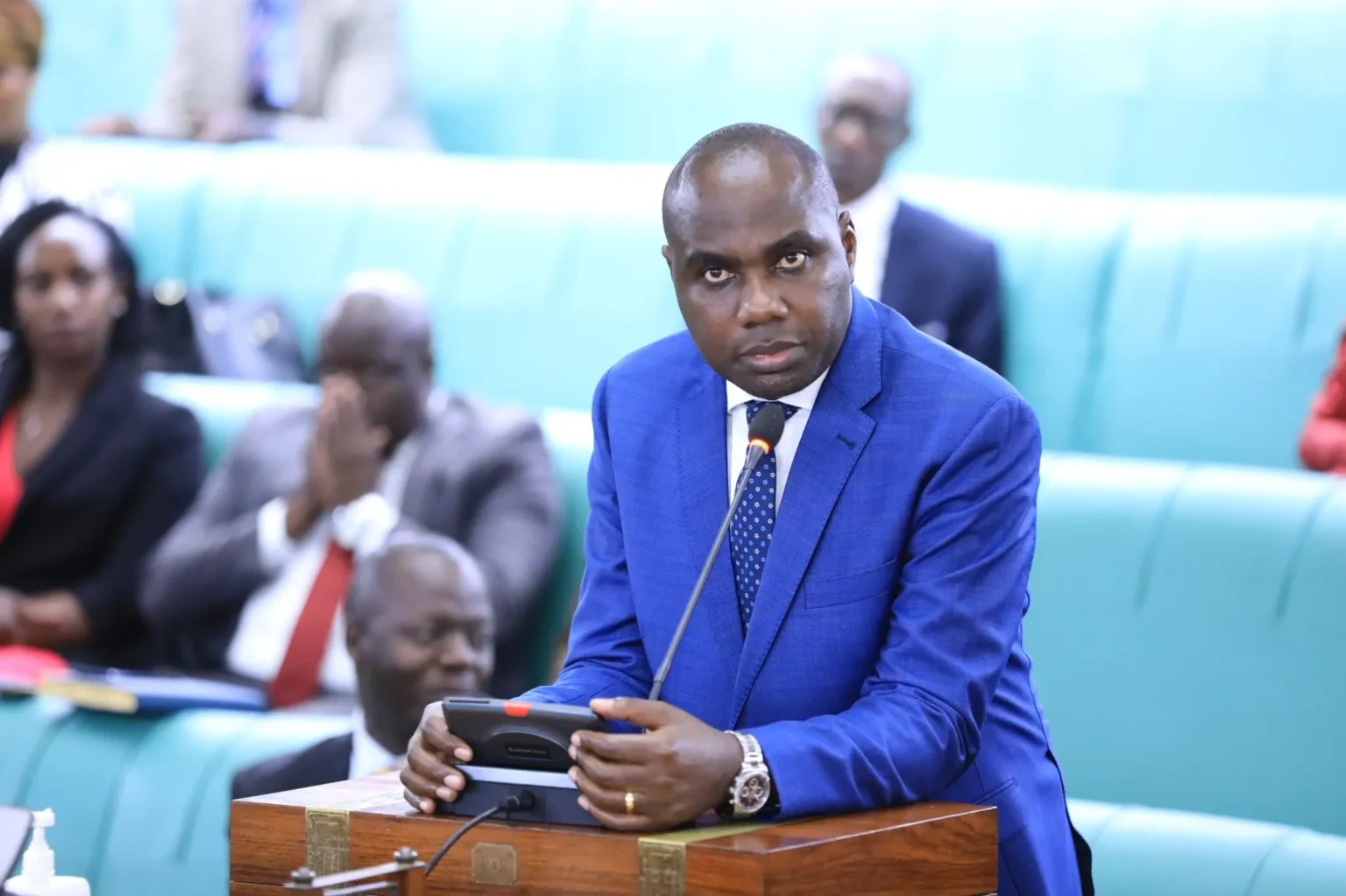
The proposal, introduced by State Minister for Finance (General Duties) Henry Musasizi, forms part of the Income Tax (Amendment) Bill for the 2026/27 financial year, as authorities seek to expand the country’s tax base and improve compliance in high-growth sectors.
“We propose to introduce a withholding tax of 6% on public entertainers.”
Under the proposed framework, the tax would be deducted at source, meaning event promoters and organisers would be responsible for remitting the levy directly to the Uganda Revenue Authority (KRA) before artists receive their payments.
“When you are doing comedy, we deduct 6% withholding from you.”
The government says the measure is aimed at formalising revenue streams in Uganda’s expanding creative economy, where musicians, comedians, actors and event hosts increasingly earn significant income from live shows, endorsements and public appearances.
Officials argue that a withholding mechanism will improve transparency and reduce tax evasion in a sector that has historically operated with limited oversight.
If passed by Parliament, entertainers would effectively take home 94 per cent of their performance fees, with the remaining portion automatically channelled to tax authorities.
The proposal is expected to generate debate within Uganda’s creative sector, particularly among artists who already face rising production costs, venue fees and promotional expenses.
Some industry players are likely to question whether the tax is equitable, especially given the informal nature of many entertainment gigs and inconsistent earnings across performers.
At the same time, the proposal comes shortly after a significant legislative milestone for creatives, with Parliament recently passing new copyright legislation aimed at strengthening protections for artists’ intellectual property rights and improving royalty collection.
For many entertainers, the timing presents a mixed outlook, improved legal protection on one hand, and increased taxation on the other.
The Ugandan government maintains that the proposed tax aligns with broader fiscal policy objectives, including widening the tax net and ensuring that all income-generating sectors contribute to national development.
Also Read: Spice Diana urges Uganda’s music creatives to separate friendship from business
Uganda, like many economies in sub-Saharan Africa, is under pressure to boost domestic revenue collection amid growing public expenditure demands and external financing constraints.
Analysts note that while taxation of the creative economy is not uncommon globally, its success depends on implementation, enforcement, and whether the policy supports rather than stifles industry growth.
The proposed amendment will now undergo parliamentary scrutiny, where lawmakers are expected to debate its potential economic impact and fairness.
If approved, the measure could mark a significant shift in how Uganda regulates and taxes its entertainment industry, signalling a move towards greater formalisation, but also raising questions about sustainability for emerging artists.