




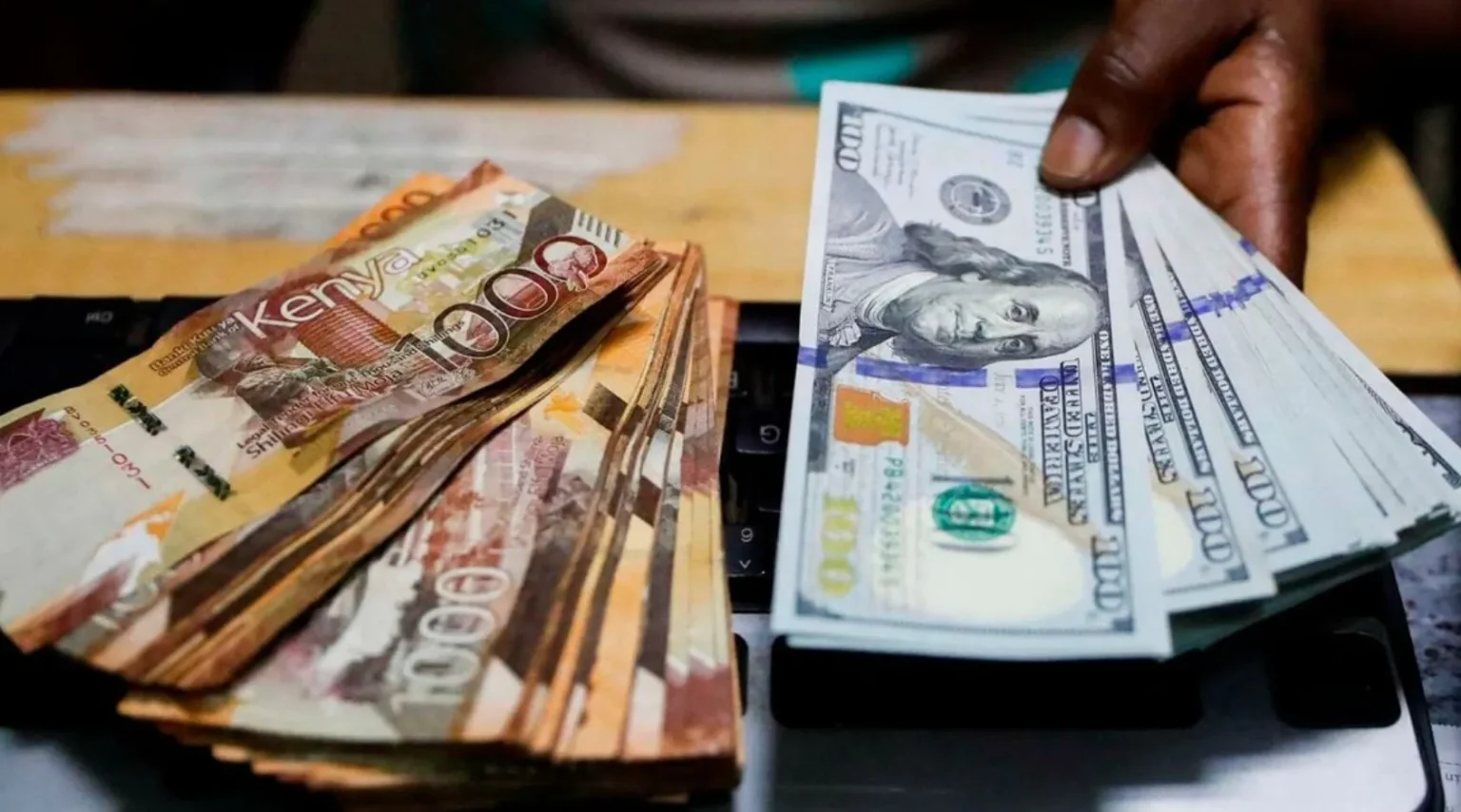
NAIROBI, Kenya — The Kenyan Shilling weakened against the United States Dollar on Wednesday, slipping to the 130 mark amid rising demand for foreign currency from importers and manufacturers.
Data from Bloomberg showed the shilling trading at KSh130.02 to the dollar, marking its weakest level since August 2024.
Market analysts attribute the depreciation largely to increased demand for dollars, particularly from businesses seeking to finance imports. Traders say many firms have recently moved to secure foreign currency amid concerns over tightening global supply.
The surge in demand comes against the backdrop of heightened geopolitical tensions linked to the ongoing conflict involving Iran, which has raised fears of disruptions in global financial and commodity markets.
While the shilling has not experienced sharp volatility, traders note that sustained demand for the dollar has steadily eroded its recent gains.
The weakening trend reflects broader global pressures, with emerging market currencies often vulnerable to shifts in international capital flows and geopolitical uncertainty.
Earlier projections had warned that the shilling could come under pressure if tensions in the Middle East persisted into April, particularly due to their potential impact on oil prices and global trade dynamics, factors that directly affect Kenya’s import bill.
The latest depreciation comes after a period of relative stability for the Kenyan currency in the first half of 2024, supported by increased dollar inflows, including proceeds from government bond sales and improved diaspora remittances.
Also Read: Uganda shilling defies election jitters, extends gains against Kenyan shilling, US Dollar
In fact, just weeks ago, Bloomberg ranked the shilling among the most stable currencies globally, citing a volatility rate of about 1.5% over the past year.
The ranking placed the currency as the most stable in Africa and among the top performers worldwide, outperforming several major global currencies.
Economists say the trajectory of the shilling in the coming weeks will largely depend on global market conditions, the availability of foreign exchange, and the Central Bank’s ability to stabilise the market.
A sustained increase in dollar demand, coupled with external shocks, could continue to weigh on the currency, while improved inflows and easing global tensions may help restore stability.