



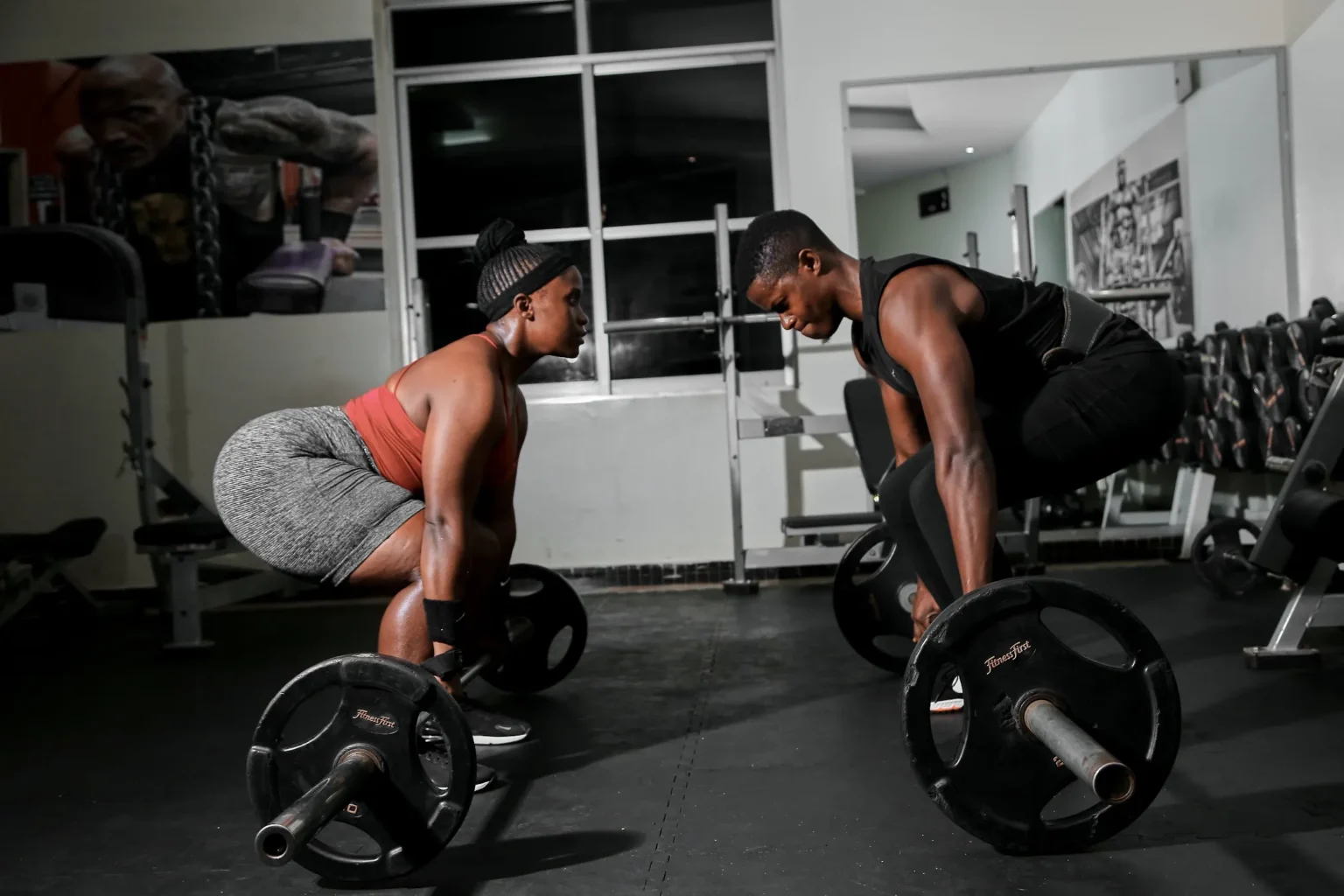
KAMPALA, Uganda — Scrolling through social media today, it is increasingly difficult to miss the flood of gym content, flexed muscles, sculpted physiques, and high-energy workout routines. What may appear casual is, in fact, part of a fast-growing digital fitness movement.
Popularly dubbed “GymTok” on TikTok, gym-related content has become one of the platform’s most dominant trends globally, and Uganda is firmly part of the wave.
The rise of gym culture in Uganda can be traced back to the COVID-19 lockdown in 2020. With movement restricted, many turned to jogging, home workouts, and outdoor exercise as both a physical and mental escape.
When restrictions were lifted under President Yoweri Museveni, gyms saw a surge in membership as people sought to maintain the habits they had developed, or start new ones.
While some abandoned their routines once life returned to normal, others remained committed, forming the backbone of a growing fitness culture.
Fitness experts say the internet, and particularly social media, has played a central role in sustaining the trend. Influencers showcasing “ideal” body standards have reshaped perceptions of attractiveness and wellness.
Gym attendance is no longer just about exercise; it has become a lifestyle, complete with fashion, routines, and online identity.
For many Ugandans, joining the gym remains a common New Year’s resolution. But maintaining consistency is often the biggest challenge.
James Lubowa, a veteran fitness coach in Kampala, says enthusiasm tends to fade quickly.
“It’s like they are on a high that fades later on,” he said, noting that gym attendance typically drops significantly after the first few months of the year.
According to Lubowa, motivations vary widely, from weight loss and muscle gain to improving stamina and overall health.
“Most people want to positively change their physical appearance; for the ladies it’s more about having a well-balanced and curved body. For the gents, it’s about toning the chest, arms, back and legs.”
For some, the gym offers more than physical transformation. It has become a crucial outlet for managing stress and mental health.
“You can walk inside the gym after a long day, but the moment you start your reps, and sweat, you are much different by the time you walk out,” said Alan Kamoga, a Kampala resident.
Similarly, Joan Kakooza credits fitness with helping her recover from weight gain during the pandemic.
“All these uncomfortable moments really made life hard, so I hopped onto that treadmill, when the lockdown got a bit lifted; I never stopped till now,” she said.
The growing gym culture also reflects shifting societal ideals. Traditional perceptions linking body size to wealth or attractiveness are evolving.
Today, both men and women are increasingly prioritising fitness, strength, and overall well-being over older stereotypes.
At the same time, social pressure, particularly among young people, continues to play a role.
Also Read: After 40, cardio or weights first? A fitness dilemma for the over‑40s
“I joined the gym because I felt the pressure of having an attractive physique,” said Phiona, a student at Makerere University.
Despite the enthusiasm, access remains uneven. Gym memberships vary widely in cost, from affordable daily rates to premium monthly packages that can reach hundreds of dollars.
For many, maintaining a gym lifestyle requires more than financial investment, it demands discipline.
“Your discipline has to outweigh your motivation,” said Peter Mwesigwa, a fitness enthusiast. “Even on your worst days you still show up… that is what separates the people who want it, from those who actually get it.”
As Uganda’s urban population grows and digital culture continues to shape lifestyles, fitness is becoming more mainstream.
Whether driven by health, aesthetics, or social media influence, more Ugandans are embracing exercise as part of daily life.
And for those still on the fence, the message from fitness enthusiasts is simple: start where you are, and keep going.
