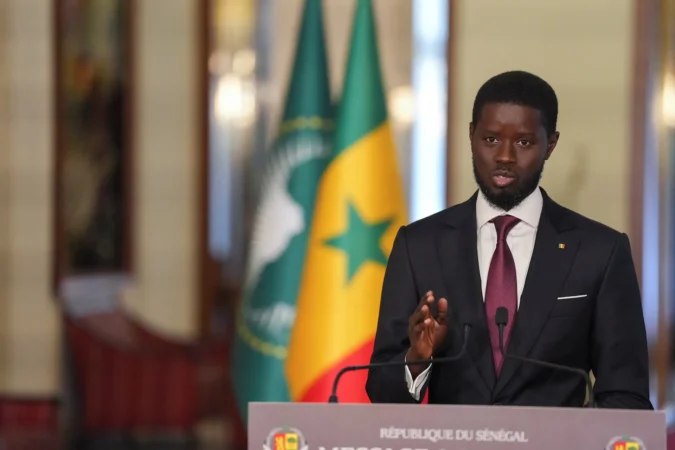



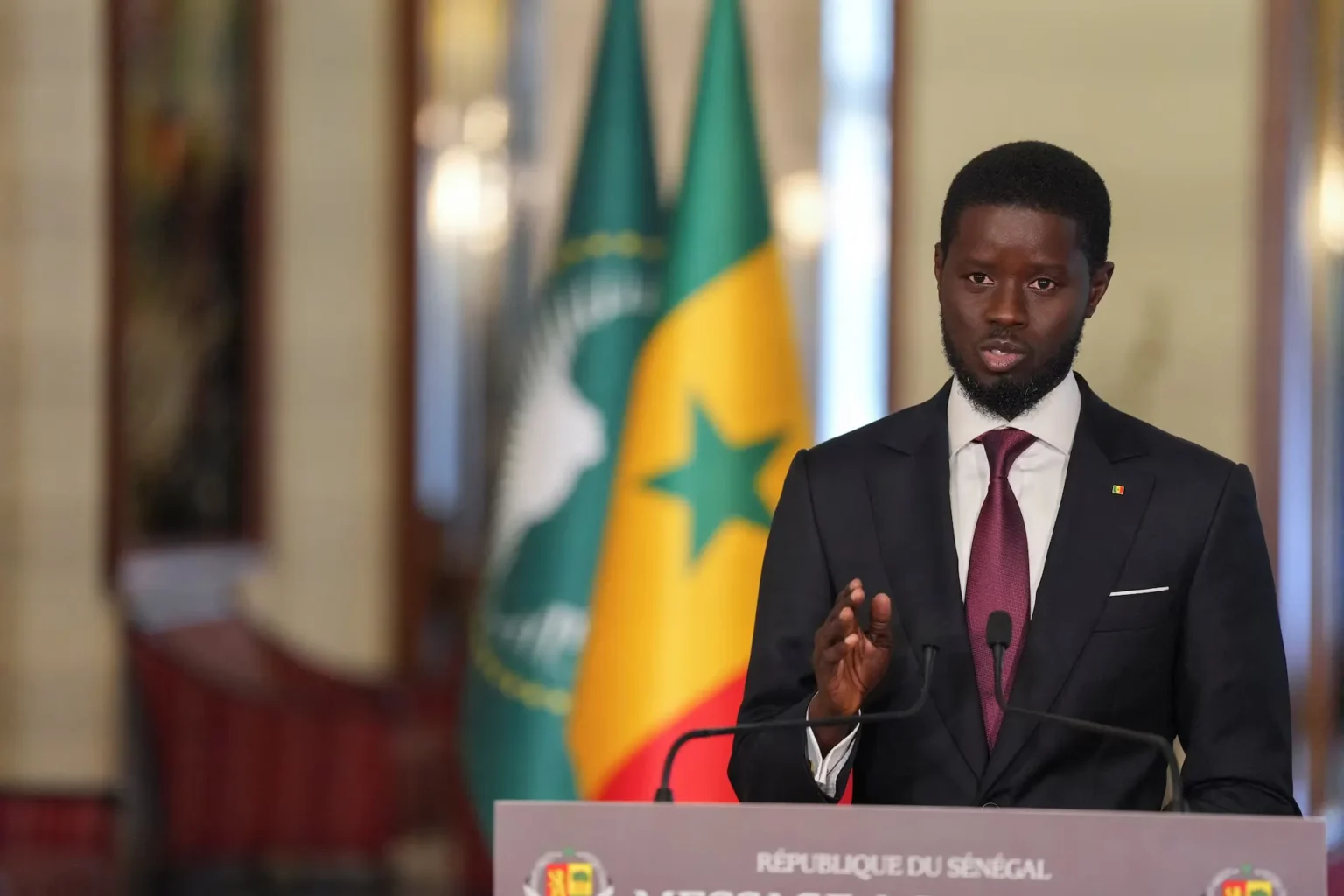
DAKAR, Senegal — Senegal’s President Bassirou Diomaye Faye has signed into law controversial legislation that significantly toughens penalties for same-sex relationships, drawing sharp criticism from international human rights groups.
The new law doubles the maximum prison sentence for same-sex acts from five to 10 years. It also introduces provisions criminalising the “promotion” of homosexuality, broadly defined to include public advocacy, representation, or financial support, punishable by between three and seven years in prison.
The legislation was a key campaign promise of President Faye and Prime Minister Ousmane Sonko, and was passed by Senegal’s National Assembly last month with overwhelming support, with 135 lawmakers voting in favour, none opposed, and three abstaining.
The move has triggered strong condemnation from global rights bodies. The United Nations High Commissioner for Human Rights, Volker Türk, described the legislation as “deeply worrying.”
He said the law “flies in the face of sacrosanct human rights,” urging Senegalese authorities to reconsider its implementation.
Despite the criticism, the Senegalese government has defended the law, arguing that it reflects the cultural and social values of the country.
Same-sex relationships were already illegal in Senegal prior to the new legislation, but the latest law significantly expands both penalties and scope.
The bill was introduced following a wave of arrests linked to alleged same-sex relationships, highlighting increasing enforcement of existing laws.
In February, authorities arrested 12 men, including public figures and a journalist, on charges of “acts against nature,” underscoring the tightening legal environment.
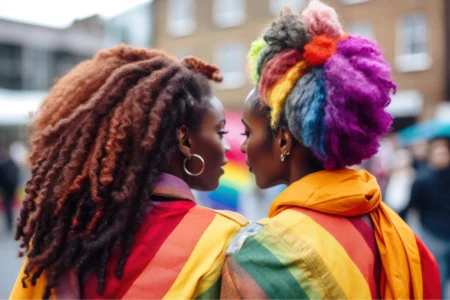
According to Human Rights Watch, there has been a noticeable rise in hostility toward LGBTQ+ individuals in the country, alongside repeated legislative attempts in recent years to impose harsher penalties.
Senegal’s move reflects a broader trend across parts of Africa, where several countries have introduced or strengthened anti-LGBTQ legislation.
Also Read: Uganda detain two women on homosexuality charges after allegedly kissing in public
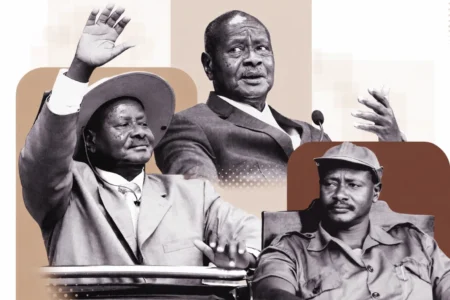
In 2023, Uganda enacted one of the world’s toughest anti-homosexuality laws, including provisions for the death penalty in certain cases.
Neighbouring countries such as Mali and Burkina Faso have also moved to criminalise same-sex relationships in recent years, while Ghana is considering reintroducing a similarly contentious bill.
Rights groups warn that such laws risk undermining fundamental freedoms, including privacy, expression, and protection from discrimination.
However, governments introducing these measures often argue they are aligned with domestic public opinion and cultural norms, creating an ongoing tension between international human rights standards and national sovereignty.