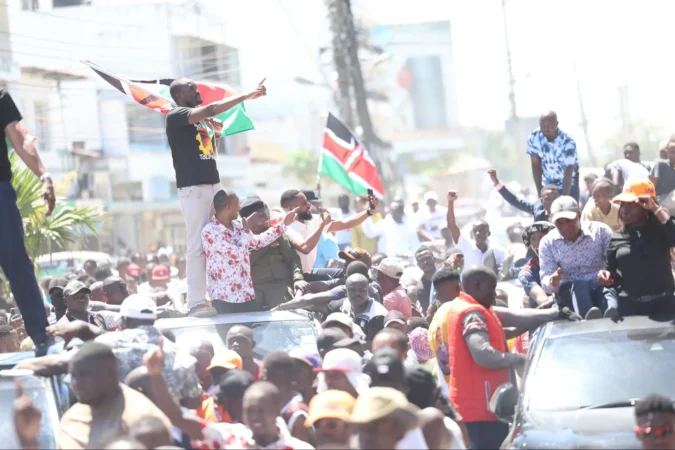



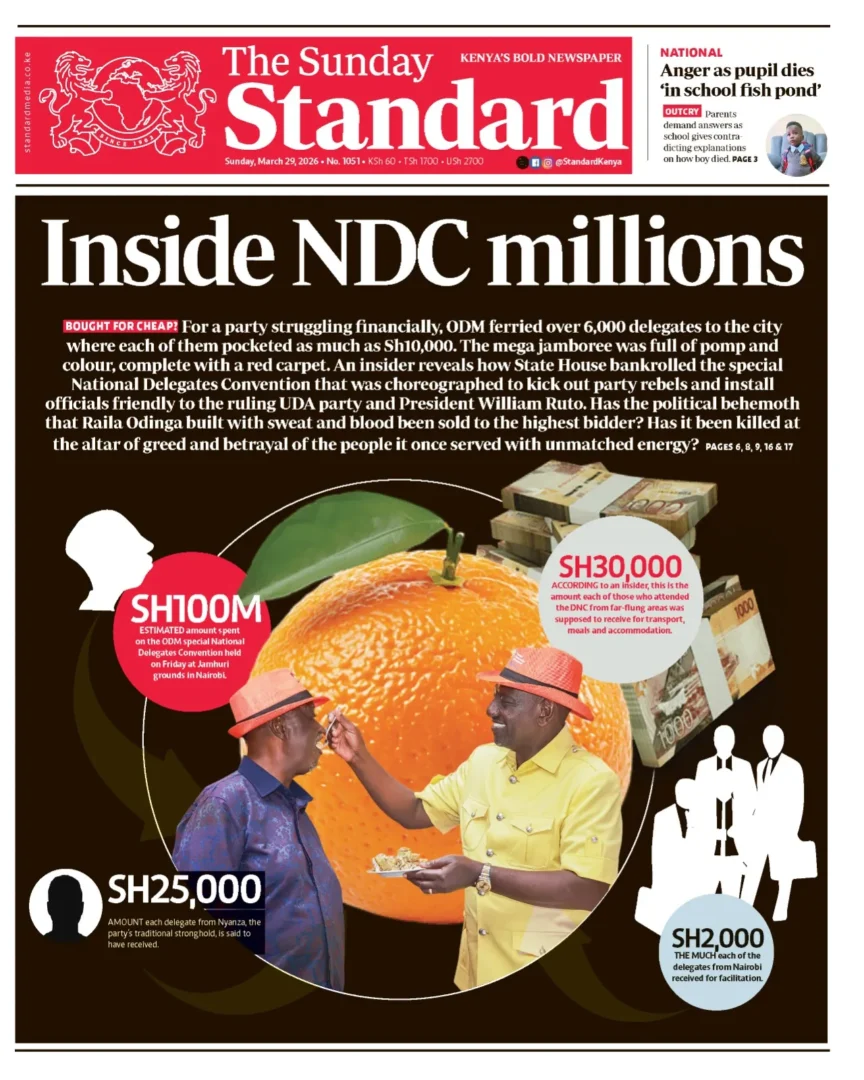
NAIROBI, Kenya — The Orange Democratic Movement (ODM) has strongly dismissed reports by The Standard Group alleging that the party ferried more than 6,000 delegates to Nairobi for its Special Delegates Conference (SDC), describing the claims as “false, baseless and misleading.”
In a statement issued on Sunday, March 29, ODM’s Director of Campaigns and Elections, Junet Mohammed, accused the media house of publishing sensational claims intended to misinform the public and undermine the party’s credibility.
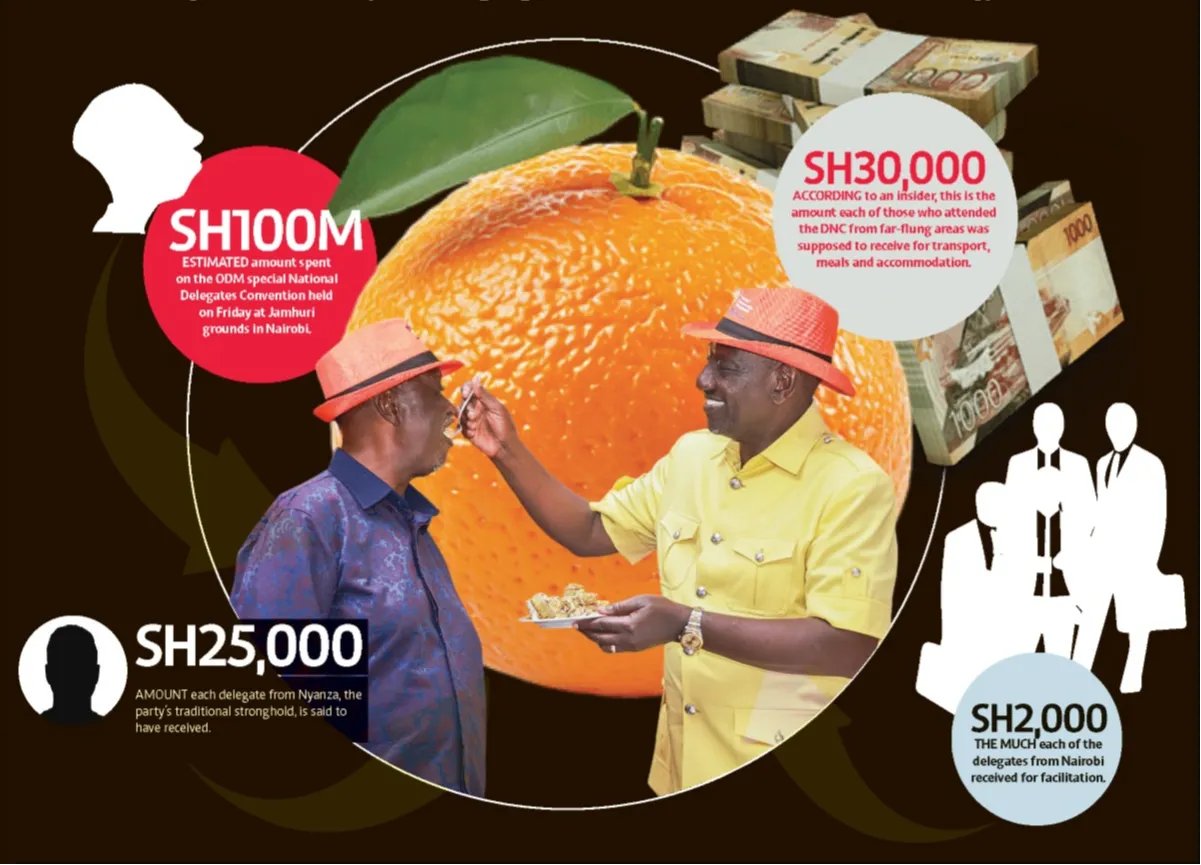
“Our attention has been drawn to a misleading and sensational headline published by The Standard Group alleging that ODM ferried 6,000 delegates to Nairobi for our National Delegates Conference on Friday, March 27 2026, at a cost of KSH 100 million, and that delegates received varied payments across different regions,” Junet stated.
“We wish to categorically state that these allegations are false, baseless, and a deliberate attempt to misinform the public and diminish the credibility of our party,” he added.
According to the report published on March 29, unnamed sources claimed that more than 6,000 delegates attended the conference, with over KSh100 million allegedly spent on transport, accommodation and logistics. The report further alleged that thousands of additional delegates received KSh30,000 each to cover expenses over three days.
However, ODM rejected the figures, stating that its constitution caps the number of accredited delegates at 3,000.
“For the avoidance of doubt, the ODM Constitution is explicit on the composition of the National Delegates Conference. The required number of accredited delegates is 3,000; any figure above this is illegal. It therefore begs the question: where did the figure of 6,000 delegates come from? Such exaggerations are not only inaccurate but point to a reckless disregard for facts,” the statement added.
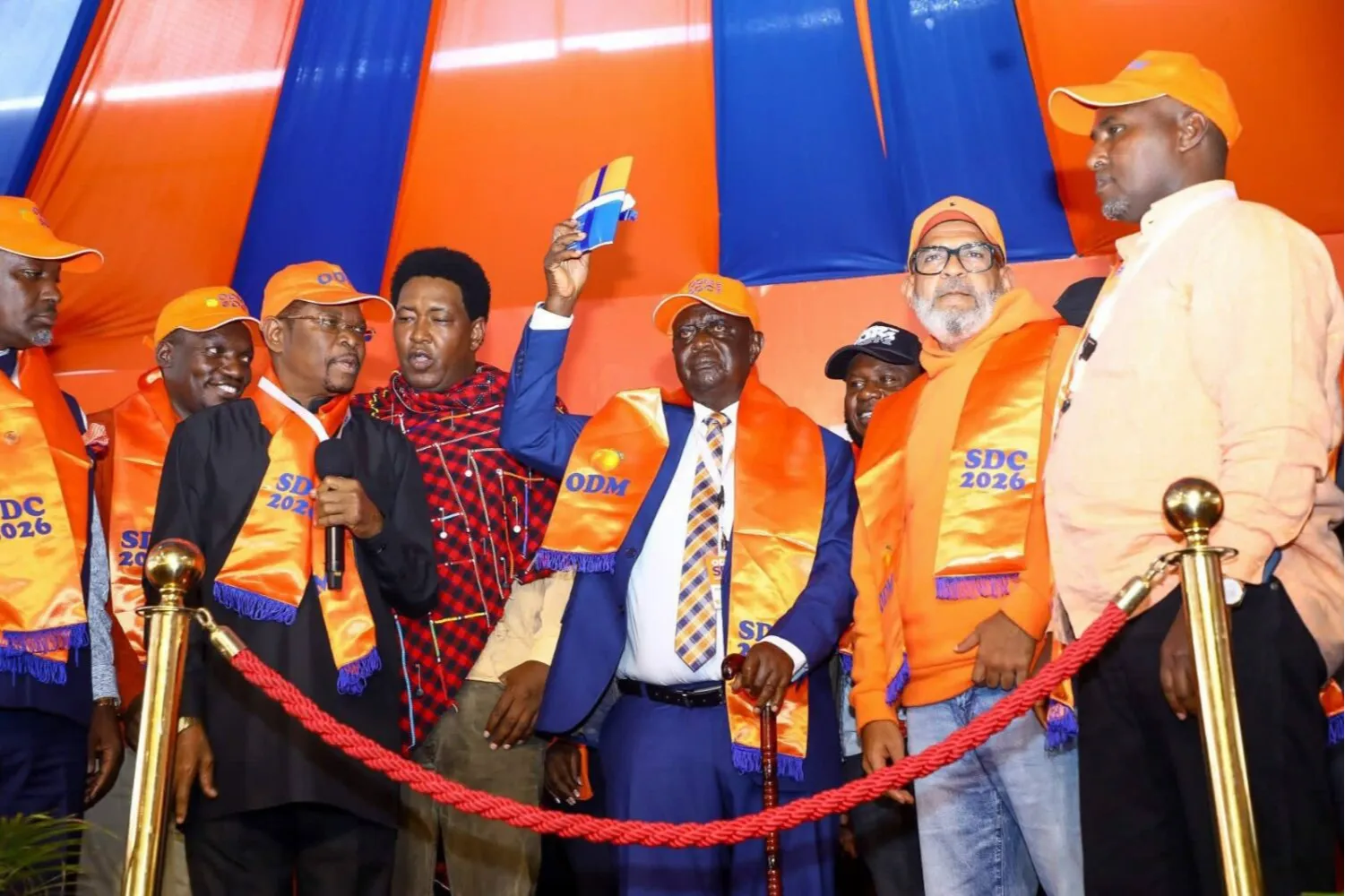
The SDC proceeded with key resolutions, including leadership changes within the party. Delegates unanimously endorsed Oburu Odinga as party leader, while Gladys Wanga was elected chairperson.
Simba Arati and Abdulswamad Nassir were named deputy party leaders. However, Godfrey Osotsi was dropped from the same position.
The conference was notably boycotted by several high-profile party figures, including Edwin Sifuna, James Orengo, and Babu Owino, highlighting deepening internal divisions.
The dissenting faction, operating under the “Linda Mwananchi” banner, staged a parallel meeting dubbed the “People’s NDC,” accusing the party leadership of procedural irregularities and lack of inclusivity.
ODM’s rebuttal comes at a time when The Standard Group is facing heightened scrutiny from regulators. The Communications Authority of Kenya has recently raised concerns over the broadcaster’s compliance issues, while the Media Council of Kenya has cautioned the outlet over sensational reporting and ethical standards.
The dispute underscores growing tensions between political actors and sections of the media, particularly in an environment where information, perception, and narrative control are becoming increasingly contested ahead of the 2027 general election.
The ODM–Standard dispute reflects more than a disagreement over delegate numbers, it exposes the intersection of political fragmentation, media credibility, and narrative control in Kenya’s evolving political landscape.
Also Read: ODM rift deepens as Edwin Sifuna rejects role under Oburu Odinga
ODM’s swift rebuttal suggests a party keen on protecting its institutional legitimacy at a time of visible internal strain. The emergence of parallel structures such as the “People’s NDC” signals underlying factionalism that could weaken party cohesion if not managed.
Conversely, the allegations, whether substantiated or not, highlight the role of investigative journalism in scrutinising political financing and mobilisation practices. However, they also raise questions about verification standards in an increasingly competitive media environment.
The timing is critical. As political formations begin early positioning for 2027, both parties and media institutions are engaged in shaping public perception.
For ODM, maintaining unity and credibility will be central to its strategic relevance. For the media, balancing aggressive reporting with accuracy and accountability will be equally essential.
Ultimately, this episode illustrates a broader trend: Kenya’s political discourse is no longer confined to rallies and policy debates, it is increasingly fought through competing narratives, where credibility, trust, and information integrity are decisive assets.