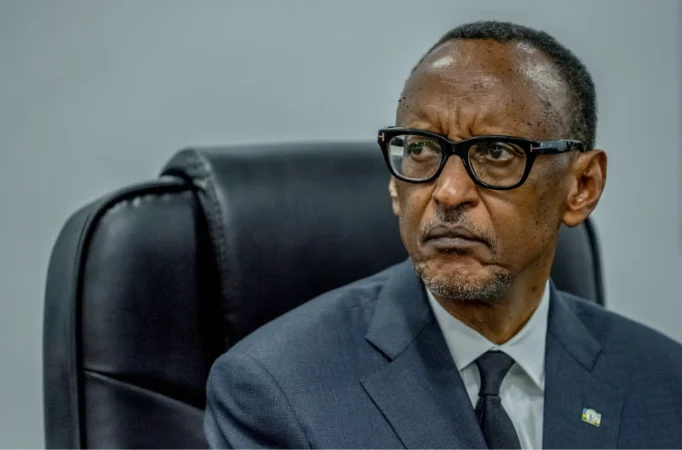




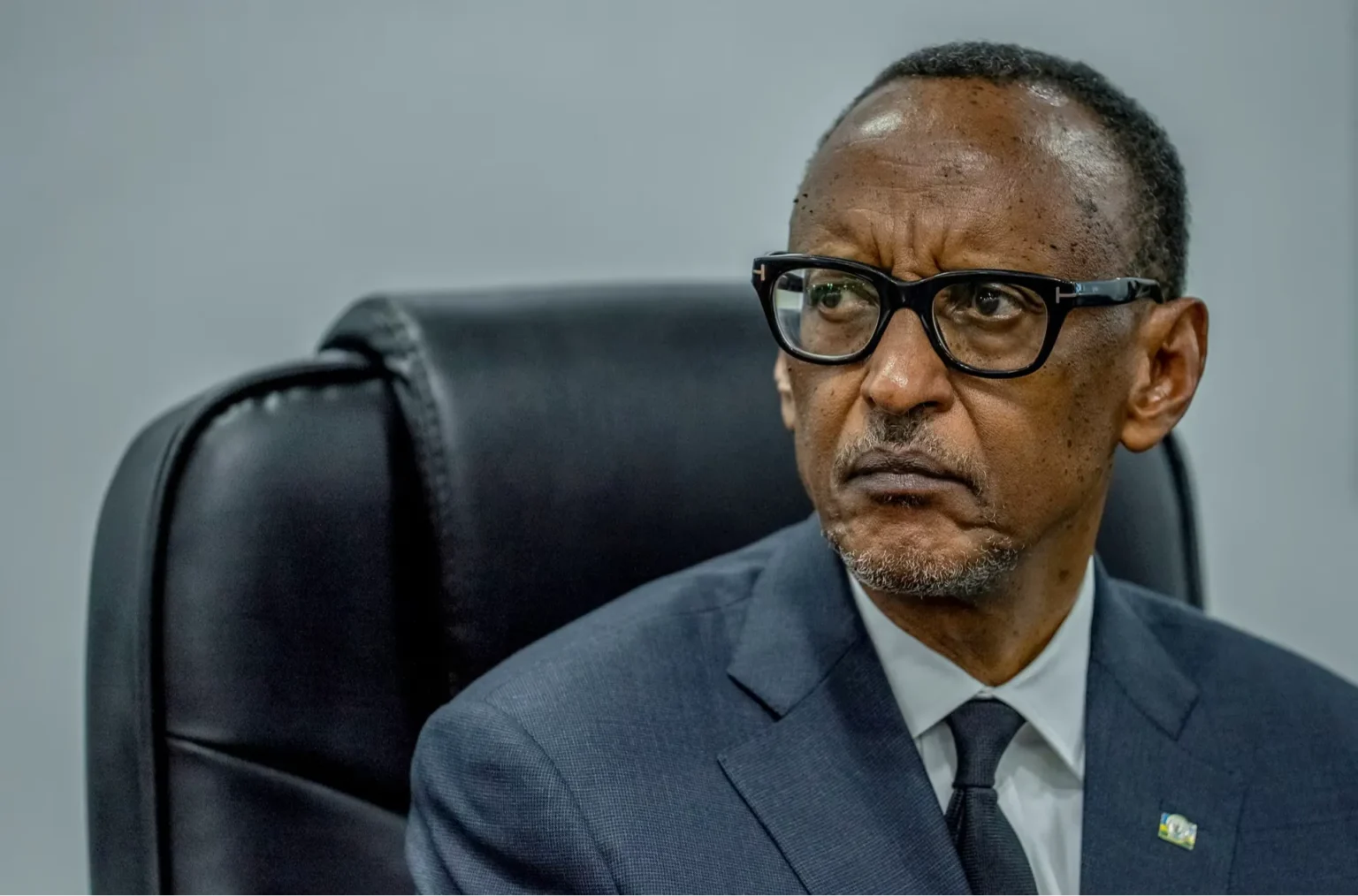
KIGALI, Rwanda — President Paul Kagame has defended the government’s regulation of religious institutions, insisting that the measures aim to restore order and protect citizens from exploitation rather than suppress faith.
Speaking on Wednesday at a meeting with thousands of members of the Rwandan Muslim community at the BK Arena in Kigali, Kagame highlighted cases where individuals misuse religion and churches for personal enrichment.
“You find someone hiding behind a religion, hiding behind a church, setting up something that is only meant to serve their own interests and rob others,” Kagame said. “Everything becomes something anyone can just put up, like putting a barrier somewhere, stopping people, pretending to be what you are not, and then starting to take away people’s property. Saying, ‘You do not pass here unless you first bring this wealth.’ That should not happen in any religion, of whatever kind.”
He emphasized that regulating religious organisations should not be viewed as religious persecution, but rather as a way to ensure institutions serve their communities responsibly.
“That is different from persecuting religions or churches. Putting things in order is not persecution. When you are putting things in order… religion exists to teach, to reach citizens, to help them… that is what should be done. Not robbing people. Not denying them a livelihood. Not taking what belongs to them so that a few individuals become rich and are the only ones who prosper,” Kagame added.
In recent years, Rwanda has closed several churches and faith-based institutions for operating without valid licenses, violating safety regulations, or failing to meet environmental standards. The country enforces strict environmental and noise pollution laws, which have affected some born-again churches known for loud overnight prayers.
Kagame also reflected on Rwanda’s history of persecution and discrimination. He stressed that the government’s governance philosophy is rooted in fighting injustice and ensuring equal treatment for all citizens, regardless of religion, ethnicity, or region.
“In Rwanda, our work, our politics, our mindset, is to put things right. We do not deny anyone peace. That is why the history of Muslims and the way they were persecuted in the past has changed, and we will continue changing it by any means,” he said.
He reaffirmed the government’s commitment to combating discrimination: “We will not beg anyone for permission to fight that. We must fight it no matter the cost. That is a principle. It is a duty we owe to our country and to our fellow Rwandans.”
The President noted that Muslims were among groups persecuted in the past, alongside other communities targeted by ethnicity or region.
Also Read: Kenyan Catholic Bishops blast Ruto, opposition over ‘verbal indiscipline’
“Muslims have their own particular history, and they also have a history shared with others in this country of ours. But what is most evident is what we all have in common. The persecution of Muslims, and the denial of peace to them, happened in one particular way. But at the same time, many others were persecuted as well, and in ways that we all relate to,” Kagame said.
He outlined Rwanda’s focus on transformation in governance, development, and national unity to ensure no citizen faces persecution again.
“That is why the change that took place in our country… was something our country should have had but was denied for many, many years. What we have now is a path of transformation: transforming lives, transforming governance, transforming mindsets, so that Rwanda can move forward, with every Rwandan playing a role, and with no one subjected to persecution,” Kagame said.
The meeting, attended by members of the Rwandan Muslim community led by the Mufti of Rwanda, Sheikh Sindayigaya Musa, focused on unity, development, and the role of religion in national transformation.