


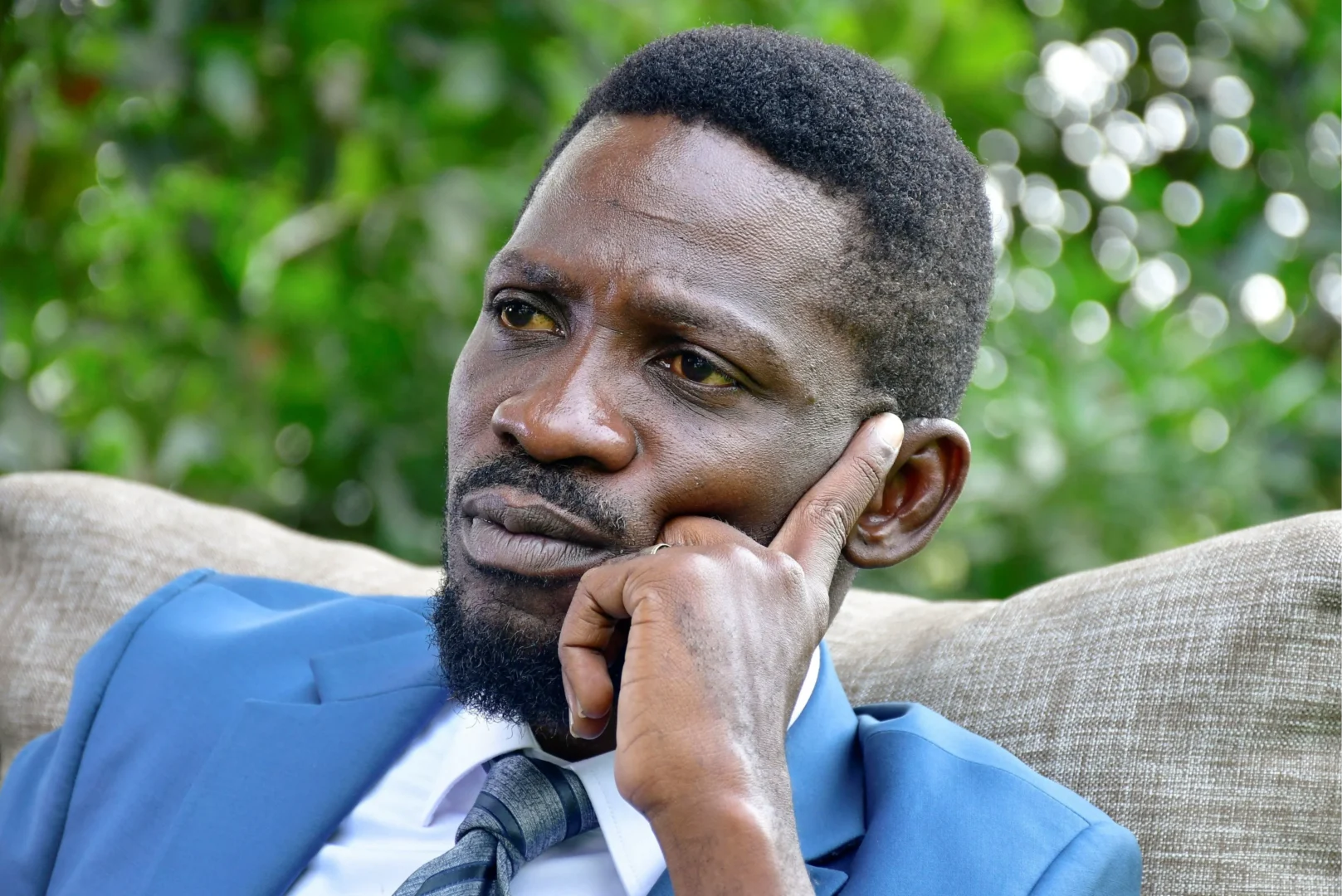
KAMPALA, Uganda — Ugandan opposition leader Robert Kyagulanyi Ssentamu, popularly known as Bobi Wine, has firmly rejected reports of negotiations with the government, insisting that he will not trade his freedom for political concessions.
In a strongly worded statement, the leader of the National Unity Platform (NUP) dismissed claims that he is engaged in behind-the-scenes talks aimed at facilitating his return to Uganda.
“I will not negotiate for my freedom,” Bobi Wine said, pushing back against speculation that his re-entry into the country could be tied to agreements with state authorities.
His remarks come amid growing reports suggesting that quiet negotiations have been underway between NUP officials and government representatives to secure his safe return following the disputed 2026 general elections.
However, Bobi Wine’s latest stance signals a clear refusal to legitimise what he and his supporters have long described as political repression. He maintains that freedom is a fundamental right, not a privilege to be negotiated.
The opposition figure has repeatedly accused the government of orchestrating a crackdown on dissent, citing arrests, intimidation, and alleged abductions targeting his supporters. His decision to remain abroad, he says, was driven by credible security concerns.
Bobi Wine’s position reflects the wider struggle between Uganda’s opposition and the state, led by President Yoweri Museveni, whose government has faced sustained criticism over its handling of political dissent.
Since the January 2026 elections, tensions have remained high, with opposition leaders alleging irregularities and calling for electoral reforms. At the same time, the government has maintained that security measures are necessary to preserve stability.
Political analysts say Bobi Wine’s refusal to negotiate may resonate with his core support base, particularly among young voters who view him as a symbol of resistance against entrenched power structures.
Also Read: Inside Uganda’s secret talks to return exiled Bobi Wine without charges
However, it also raises questions about the immediate path forward, as dialogue is often seen as a key mechanism for de-escalating political crises.
While some within political and diplomatic circles have advocated for negotiations as a way to ease tensions, Bobi Wine’s position suggests that any resolution may remain elusive in the short term.
His defiance underscores a broader principle that has defined his political journey — a rejection of compromise in the face of what he perceives as injustice.
As Uganda navigates the post-election period, the standoff between the opposition and the state is likely to continue shaping the country’s political landscape, with Bobi Wine’s next move closely watched both domestically and internationally.
