




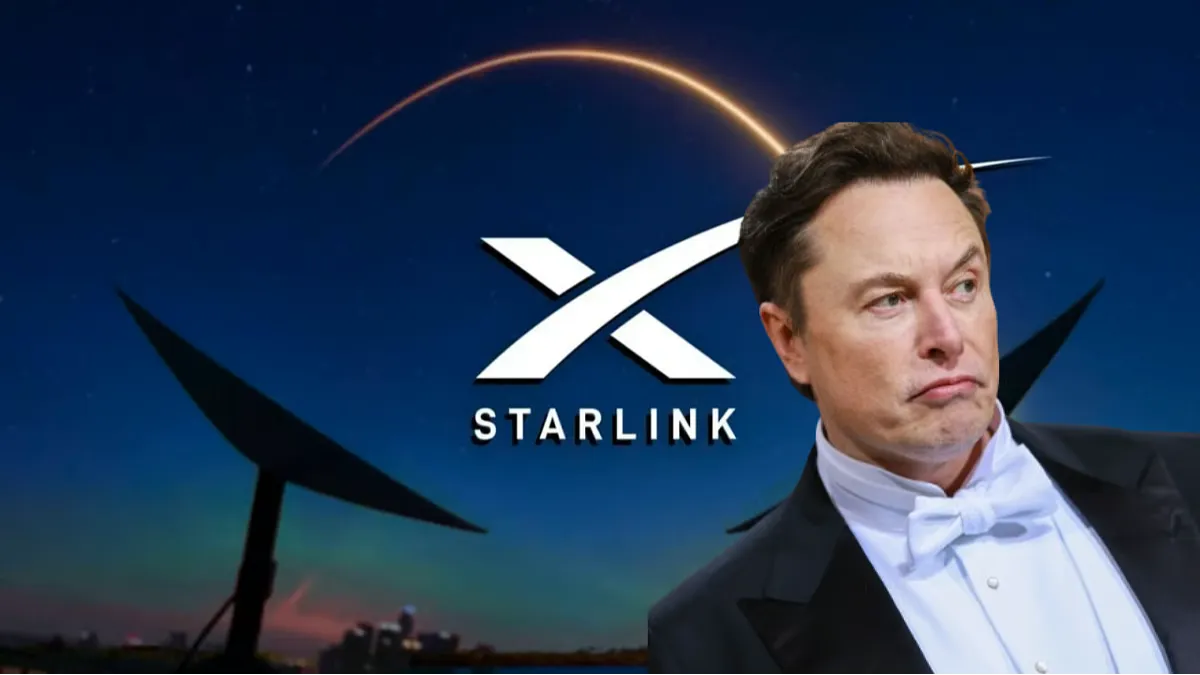
WINDHOEK, Namibia — Namibia has refused Elon Musk-owned Starlink’s application for a licence to provide satellite internet services in the country, marking the company’s second regulatory setback in southern Africa.
The decision, announced by the Communications Regulatory Authority of Namibia (CRAN) on Tuesday, did not include detailed reasons for the refusal, but highlighted that Starlink’s Namibian subsidiary lacks local ownership.
Namibian law mandates that at least 51% of shares in any telecommunications company must be held by citizens or locally registered entities.
Starlink, which operates in roughly 25 African countries, has faced similar hurdles in South Africa, where ownership rules have also blocked its entry. The company has not publicly commented on the Namibian decision.
CRAN said it may reconsider the application either on its own initiative or if an appeal is filed by an aggrieved party within 90 days.
Previously, in 2024, the regulator ordered Starlink to cease operations in Namibia, warning the public that purchasing Starlink equipment or subscribing to its services would be illegal.
On its official website, Starlink claims to have established a local entity that would collaborate with Namibian firms and create employment opportunities. Yet, compliance with national ownership laws remains a key requirement for operation.
Elon Musk, who was born in South Africa before moving abroad, has previously criticised southern African ownership laws, describing them as discriminatory.
Last year, Musk alleged that his company was barred from operating in South Africa due to “racist ownership laws” and suggested that such policies impede foreign investment.
The South African government has consistently rejected these claims, emphasising that over 600 US companies, including tech giant Microsoft, operate legally within the country while adhering to Black Economic Empowerment (BEE) requirements.
Also Read: Uganda moves to approve Starlink as Museveni pushes for nationwide internet access
Introduced after the end of apartheid, BEE policies aim to redress historical racial inequities, including by requiring foreign investors to allocate at least a 30% stake to local black-owned firms.
Starlink’s satellite internet service, designed for users in remote areas without access to high-speed connectivity, relies on a vast network of satellites.
Despite its global reach and rapid growth, regulatory compliance in southern Africa continues to challenge the company’s expansion ambitions.
As Namibia maintains strict ownership rules to promote local participation in business, Starlink’s entry remains uncertain, highlighting the delicate balance between attracting foreign investment and upholding national policies aimed at economic transformation.