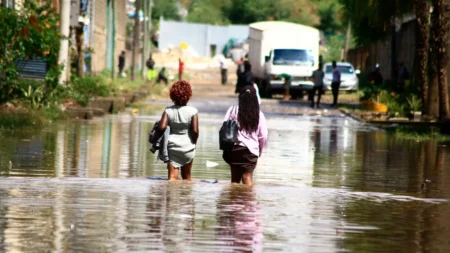
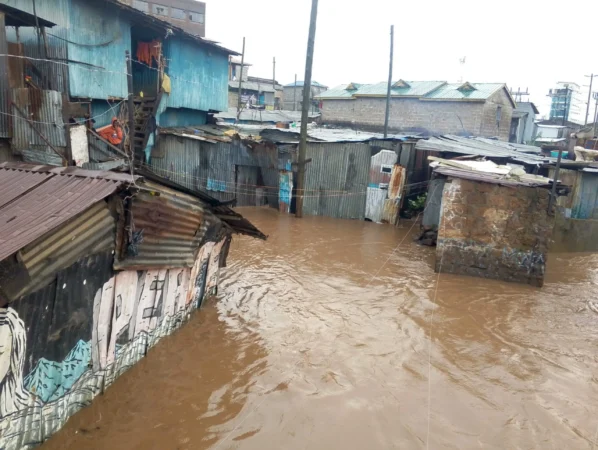



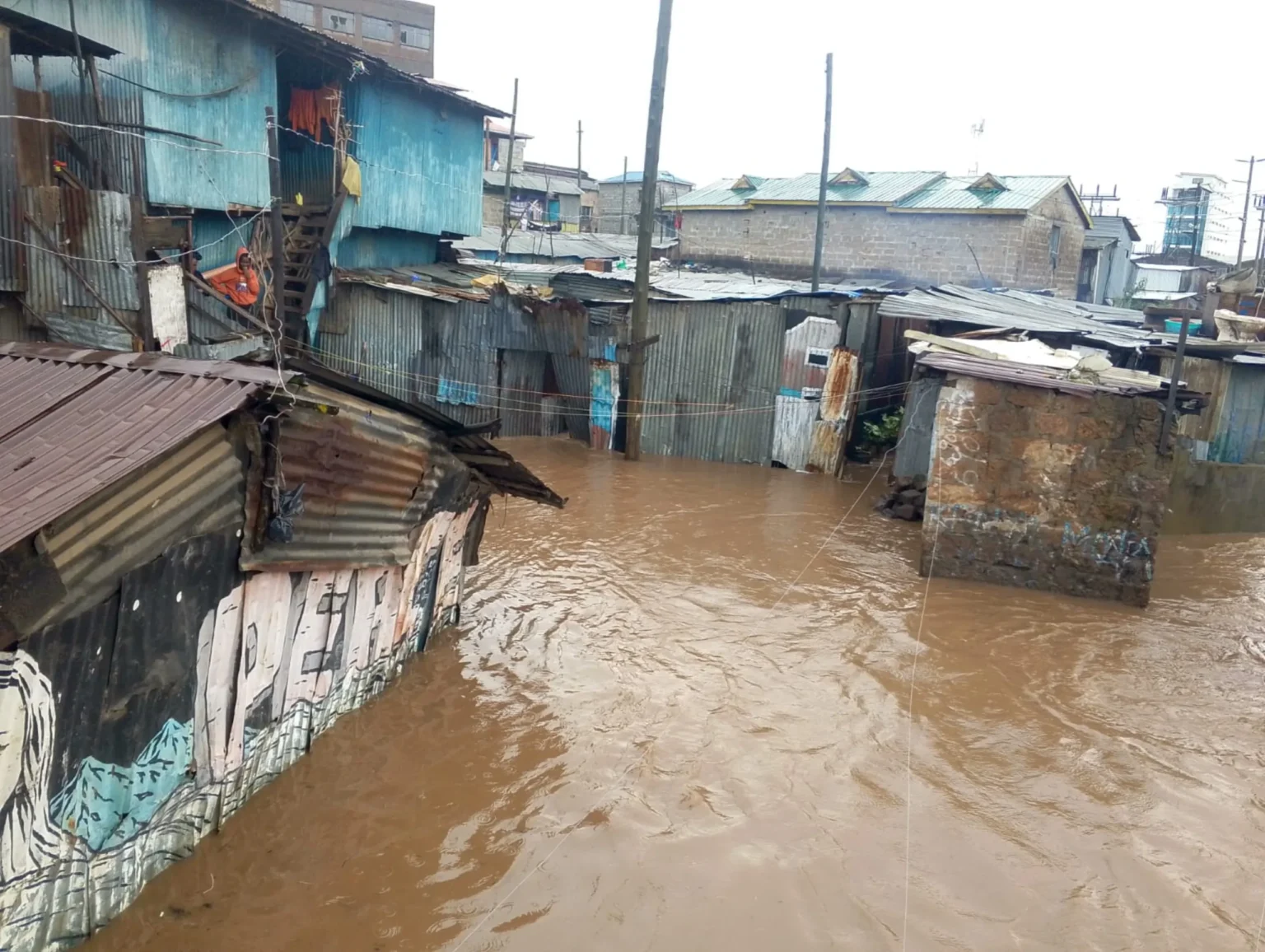
NAIROBI, Kenya — At least 81 people have died in Kenya following weeks of torrential rains that have triggered widespread flash flooding, authorities confirmed on Sunday, with the capital Nairobi among the hardest-hit areas.
According to police spokesperson Muchiri Nyaga, the scale of the disaster continues to worsen as rainfall persists across large parts of the country.
“The cumulative number of fatalities has unfortunately risen to 81,” Nyaga said in a statement.
“Additionally, flash floods have swept through several areas, displacing approximately 2,690 families and causing widespread destruction of infrastructure and property.”
Nairobi has recorded the highest number of deaths, with at least 37 people killed as floodwaters overwhelmed residential areas, roads, and drainage systems.
Entire neighbourhoods have been submerged, with streets turning into fast-moving rivers, disrupting transport, damaging businesses, and forcing thousands from their homes.
Authorities issued urgent evacuation orders on Friday night for residents living downstream of the Nairobi Dam after water levels rose dangerously, raising fears that the embankment could fail. The dam has since held, but the situation remains under close monitoring.
Beyond the capital, fatalities have also been reported in neighbouring counties. In Kiambu, two people drowned after being swept away by floodwaters, while landslides in western Kenya claimed at least two lives in the village of Kasaka, where several homes were buried.
Emergency responders continue search and rescue operations in affected areas, with concerns that the death toll could rise further as more incidents are reported.
The Kenya Meteorological Department has forecast continued rainfall in several regions, warning that the downpours are likely to persist until at least Tuesday.
Authorities have urged residents to exercise caution, particularly those living in flood-prone zones and informal settlements.
Also Read: At least 13 dead as torrential rains trigger landslides and floods across Kenya
The flooding has once again exposed weaknesses in urban infrastructure, particularly in Nairobi, where drainage systems have struggled to cope with heavy rainfall.
Criticism has mounted against Johnson Sakaja, who had pledged to address drainage and road infrastructure challenges after taking office in 2022.
Residents and analysts say the scale of destruction highlights the urgent need for long-term urban planning and investment in flood mitigation systems.
Scientists increasingly attribute the rising frequency and intensity of such extreme weather events to climate change.
Research shows that East Africa has experienced more severe cycles of drought and heavy rainfall over the past two decades, a trend that experts warn could continue without significant climate adaptation measures.