


KAMPALA, Uganda — Uganda is planning a major transformation of its urban transport system, with authorities shifting focus toward mass transit solutions aimed at easing congestion in Kampala and improving mobility across the rapidly expanding metropolitan area.
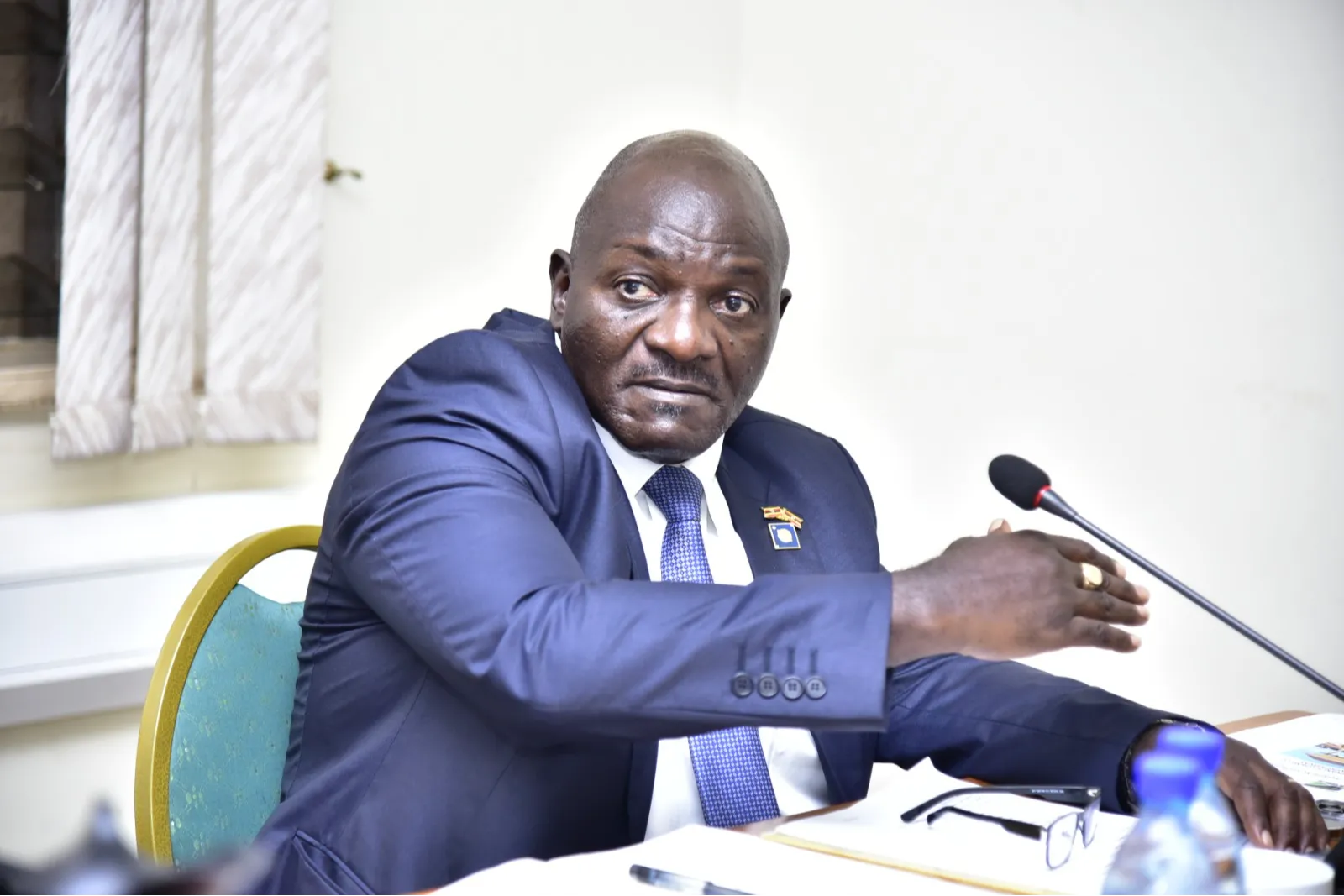
In an interview with Vivid Voice News, Works and Transport Minister Gen. Edward Katumba Wamala outlined a long-term strategy that includes the introduction of a monorail system, expansion of commuter rail services, and gradual restructuring of informal transport networks.
The minister acknowledged that Kampala’s transport system is under pressure from rapid urbanisation, population growth, and a surge in private vehicle ownership.
He said the government is now prioritising high-capacity transport systems to reduce congestion and improve efficiency.
“We lost mass transport systems like buses, and in their place came what I would call a necessary evil the boda-bodas. If we move into proper mass transport, then boda-bodas and taxis will eventually be displaced not entirely removed, but reduced.”
A Memorandum of Understanding (MoU) has recently been signed with an Egyptian firm to conduct a feasibility study for a proposed monorail system, with findings expected within 90 days. Authorities are targeting implementation by 2028, depending on project viability.
The government is also exploring expansion of commuter rail services, following a pilot between Kampala and Mukono that demonstrated strong passenger demand.
“We tested this with a simple trial: five train coaches from Kampala to Mukono. The number of passengers carried was impressive. It showed us that we need to do more in that direction.”
The proposed monorail would be constructed on elevated pillars, allowing integration into the existing urban landscape without requiring underground infrastructure.
Addressing concerns over stalled infrastructure projects, including the Kampala–Jinja Expressway, the minister clarified that construction has not yet begun.
“First correction: we have not spent money other than money for compensation. That project has not started yet. The only thing we are doing on that project is acquiring land.”
He explained that the expressway will be developed under a Public-Private Partnership (PPP) model, with private investors financing construction and recouping costs through tolling.
Land acquisition remains one of the most significant obstacles to infrastructure delivery, often leading to delays and disputes.
“If there is any big impediment to the timely execution of projects, it is land.”
The minister cited disagreements over compensation, absentee landlords, and disputes among beneficiaries as key factors slowing progress. In some cases, land valuation disputes have even exceeded project costs.
Responding to criticism that local contractors are sidelined, the minister said funding arrangements often dictate contractor selection, particularly for externally financed projects.
“Most of the oil roads were financed by China, and so most of the projects were executed by foreign companies.”
However, he maintained that the government is actively promoting local participation in domestically funded projects.
Kampala’s worsening traffic congestion was attributed to a combination of outdated infrastructure and rising vehicle ownership.
“The rate at which Ugandans have acquired vehicles SUVs and personal vehicles has possibly outpaced the infrastructure.”
The minister noted that many roads were constructed decades ago, when traffic volumes were significantly lower, making them inadequate for current demand.
Road safety remains a critical issue, with authorities attributing the majority of accidents to human behaviour.
“About 80–90% of road crashes are due to human error: speeding, reckless driving, indiscipline.”
The controversial Express Penalty Scheme (EPS), which was previously suspended, is set to be reintroduced after review. Officials say reforms will address concerns over fines, enforcement accuracy, and road signage.
The minister defended the rollout of digital number plates, dismissing concerns over surveillance while emphasising their role in security and crime prevention.
“If you are not a criminal, why worry? The system is for security to track stolen vehicles and criminals.”
Also Read: Kenya unveils new rules to curb rogue boda boda riders and improve road safety
He acknowledged initial delays due to production constraints but said the system has since improved, with issuance expected within 40 days after processing.
Beyond road and rail, the government is also encouraging investment in inland water transport, particularly on Lake Victoria, which remains underutilised despite its potential to ease road congestion.
The minister also defended Uganda’s involvement in infrastructure projects in neighbouring countries, including eastern Democratic Republic of Congo, describing them as strategic investments to support trade.
While acknowledging the economic role of boda-bodas, the minister said efforts to formalise the sector will continue, including proposals for registration, zoning, and digital tracking systems.
He noted that previous attempts to regulate the sector faced political resistance but insisted reforms would resume.
