



QUITO, Ecuador — The United States has confirmed it is working with Ecuador in a joint military effort targeting what Washington has designated as “terrorist” criminal networks operating in the South American country.
On Wednesday, United States Southern Command (SouthCom), which oversees US military operations in Central and South America, announced that operations were already under way.
“On March 3, Ecuadorian and US military forces launched operations against Designated Terrorist Organizations in Ecuador,” General Francis Donovan said.
“The operations are a powerful example of the commitment of partners in Latin America and the Caribbean to combat the scourge of narco-terrorism.”
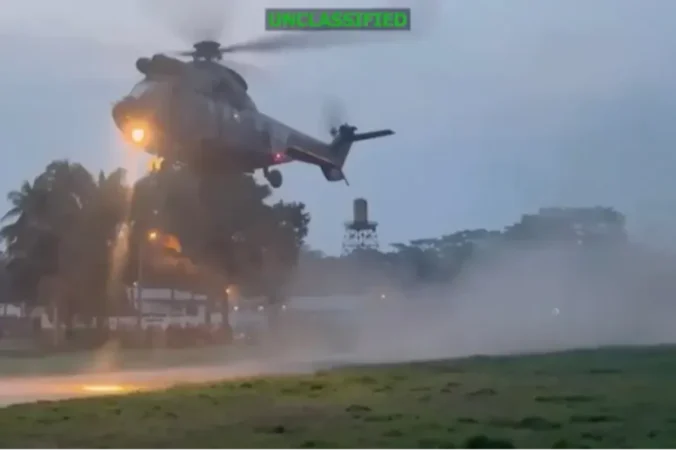
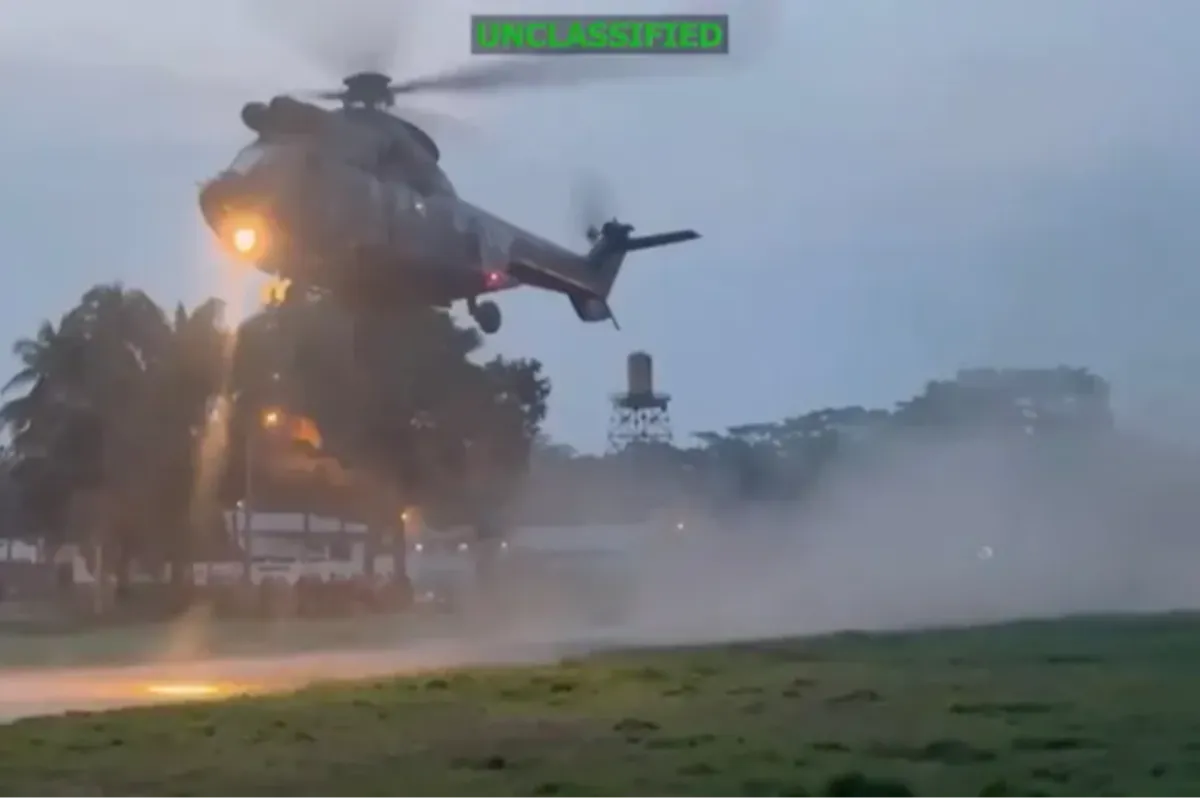
Video released alongside the statement showed military helicopters taking off and aerial surveillance imagery of personnel boarding aircraft.
The scope of the mission has not been fully disclosed. Several US media outlets report that Washington’s role is currently limited to logistical and intelligence support for Ecuadorian forces.
At a White House briefing, Press Secretary Karoline Leavitt welcomed the collaboration.
“Together, we are taking decisive action to confront narco-terrorists who have long inflicted terror, violence and corruption on citizens throughout the hemisphere,” she said.
Expanding US anti-drug campaign
The Ecuador deployment appears to be part of President Donald Trump’s broader crackdown on Latin American drug cartels during his second term in office.
His administration has labelled several major trafficking groups as “foreign terrorist organisations” — a designation traditionally applied to ideologically motivated armed groups. The move has enabled expanded military involvement in anti-drug operations.
US forces have conducted at least 44 aerial strikes against suspected drug-smuggling vessels in the Caribbean Sea and eastern Pacific Ocean.
According to publicly reported figures, at least 150 people have died in those operations. US officials have not released detailed identities of those killed or filed public charges.
In late December and early January, US military actions were also carried out on Venezuelan soil. One operation targeted infrastructure allegedly linked to the transnational gang Tren de Aragua.
A second resulted in the capture of Venezuelan President Nicolas Maduro, who now faces drug trafficking and weapons charges in a US federal court.
The operations drew condemnation from legal experts and UN specialists, who described them as violations of international law.
Critics argue that drug trafficking constitutes a criminal offence under international law rather than an act of war, raising concerns over the legality and proportionality of military strikes.
Ecuador’s security crisis
The joint operation comes amid a sharp deterioration in Ecuador’s domestic security.
Once considered relatively stable compared with its neighbours, Ecuador has experienced a surge in violence since 2020. Analysts attribute the spike to economic disruption during the COVID-19 pandemic, rising youth unemployment and the country’s strategic position between major cocaine producers Colombia and Peru, with access to Pacific trafficking routes.
President Daniel Noboa, elected in 2023, has adopted a hardline “mano dura” (iron fist) approach, deploying the military domestically and designating gangs as terrorist groups under Ecuadorian law.
Following meetings in Quito this week between President Noboa and General Donovan, Noboa signalled a deepening partnership with Washington.
“We are beginning a new phase in the fight against drug trafficking and illegal mining,” Noboa wrote on social media.
“The security of Ecuadorians is our priority, and we will fight for peace in every corner of the country. To achieve this peace, we must act decisively against criminals, wherever they may be.”
The Ecuadorian government has also escalated regional tensions, threatening higher tariffs on Colombian imports over what it describes as insufficient cooperation in curbing cocaine flows.
Legal and regional concerns
Security analysts warn that the expansion of US military engagement in Latin America could heighten diplomatic tensions and raise human rights concerns.
Brian Finucane, a senior adviser at the International Crisis Group, questioned the transparency surrounding Washington’s role.
Also Read: US names six troops killed in Iran strike on Kuwait base
“My sense is that some in the administration have been itching to put US military boots on the ground somewhere for an operation against ‘narco-terrorists’ and then publicly brag about it,” Finucane said.
“Ecuador was more amenable than, say, Mexico.”
The Biden and Obama administrations previously emphasised law enforcement cooperation and intelligence-sharing over direct military strikes. The renewed militarisation under Trump marks a significant shift in US regional policy.
As operations unfold, key questions remain over the extent of US involvement, civilian safeguards, and whether the campaign will curb violence or further destabilise the region.
