


LONDON, United Kingdom — The British government has announced sweeping visa restrictions targeting nationals from four countries, invoking what it described as an “emergency brake” to curb rising asylum claims from people entering on legal visas.
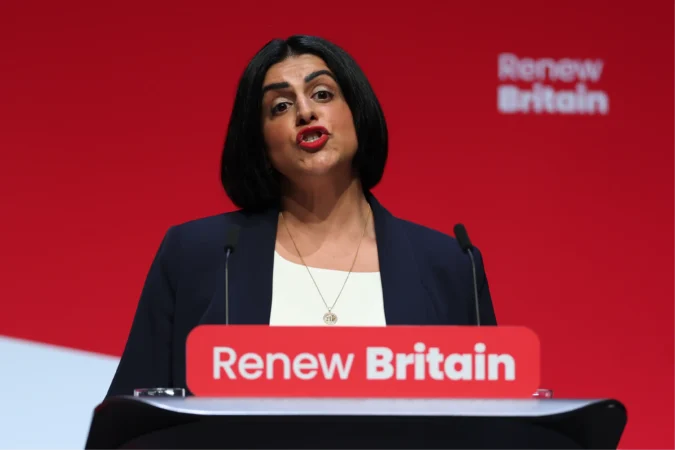
Home Secretary Shabana Mahmood confirmed that sponsored study visa applications from Afghanistan, Cameroon, Myanmar and Sudan will no longer be accepted. In addition, skilled worker visa applications from Afghan nationals will be suspended.
The measures will be introduced through an amendment to the Immigration Rules on 5 March 2026 and will take effect on 26 March 2026.
From that date, new sponsored study visa applications from the four countries will be refused, while Afghan nationals will also be barred from applying under the Skilled Worker route.
Why the UK is imposing restrictions
The Home Office says the move follows a sharp increase in asylum applications from individuals who originally entered the UK on study visas.
According to official data, asylum claims by students from Afghanistan, Cameroon, Myanmar and Sudan rose by more than 470% between 2021 and 2025.
The government said asylum claims lodged after entry on legal visas have more than tripled since 2021, accounting for 39% of the roughly 100,000 applications made last year.
Between 2021 and the year ending September 2025, the proportion of Afghan asylum claims relative to study visas issued reached 95%.
Applications from Myanmar increased sixteen-fold over the same period, while claims from Cameroon and Sudan rose by more than 330%.
The Home Office described the trend as “an unsustainable threat to the UK’s asylum system.”
“Many are then accommodated at taxpayer expense, with an above average proportion of people from these 4 countries claiming destitution. Asylum support is currently costing more than £4 billion (about KSh 688 billion) a year – with nearly 16,000 nationals from the 4 countries currently supported at public expense, including over 6,000 in hotels. The government is clamping down on visa abuse like this so we can maintain our ability and proud tradition of helping those genuinely in need,” the Home Office stated.
Ministers say they have already reduced the asylum support bill by £1 billion since taking office, but argue that further tightening is required, particularly as students account for 13% of claims currently in the system.
Broader immigration strategy
The restrictions form part of a wider recalibration of UK immigration policy under Prime Minister Keir Starmer.
The government has adopted a firmer stance amid sustained political pressure to reduce overall migration levels, including from opposition parties such as the Conservative Party and Reform UK, which have campaigned on stricter border controls.
In November 2025, the Home Secretary warned that visa access could be suspended for Angola, Namibia and the Democratic Republic of the Congo if their governments failed to cooperate in accepting deported nationals. Officials say agreements have since been secured and deportation flights have resumed.
Separately, the government has reduced the length of refugee protection from five years to 30 months as of 2 March 2026. Under the revised framework, refugees from countries deemed safe at the time of status review may be expected to return home.
The government argues these steps are intended to reduce so-called “pull factors” that encourage irregular migration, including small boat crossings across the English Channel.
Shift to digital visas
In a parallel reform, the UK has moved to a fully digital visa system.
From 25 February 2026, physical immigration documents, including Biometric Residence Permits (BRPs), Biometric Residence Cards (BRCs) and passport vignette stickers, have been replaced by electronic visas (eVisas).
UK Visas and Immigration (UKVI) has advised all affected travellers to create an online UKVI account and access their eVisa before travel.
Also Read: UK imposes visa restrictions on DR Congo over migrant return policy
The government says digitisation will strengthen border security and reduce document fraud, though immigration advisers have urged applicants to ensure their digital status is correctly linked before departure to avoid travel disruption.
The decision marks one of the most targeted visa interventions in recent years, focusing not on blanket nationality bans but on specific visa routes deemed vulnerable to asylum conversion.
Critics argue that restricting study visas risks damaging the UK’s higher education sector, which relies heavily on international tuition fees. Universities have already faced financial strain following previous limits on dependants for postgraduate students.
Supporters of the policy contend that the integrity of the immigration system depends on preventing misuse of legal entry routes, particularly where asylum claims are disproportionately concentrated among certain cohorts.
With migration expected to remain a central political issue ahead of future elections, further policy tightening cannot be ruled out.