


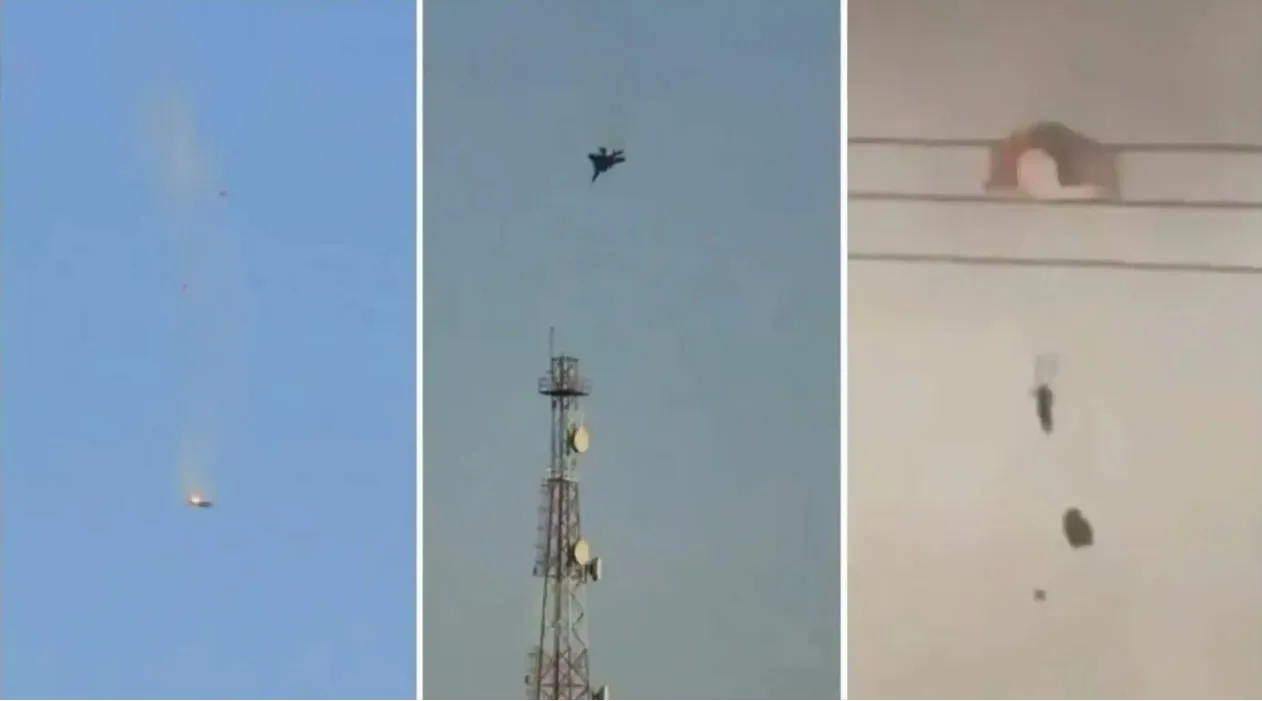
KUWAIT CITY, Kuwait — Tensions across the Gulf deepened on Monday after Kuwait confirmed that several United States warplanes crashed within its territory, as Iran dismissed reports suggesting it was seeking renewed negotiations with Washington.
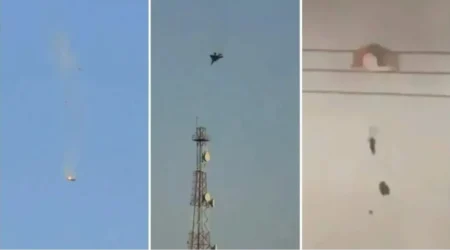
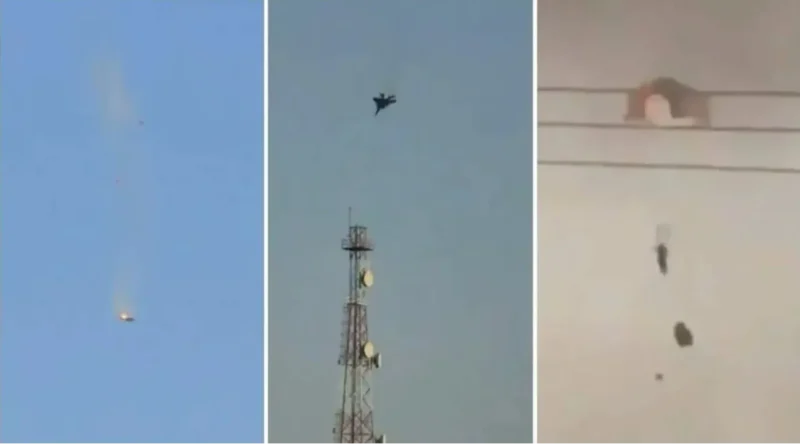
Kuwait’s Ministry of Defence said “several” US aircraft had gone down but confirmed that all crew members survived.
Verified footage broadcast by Al Jazeera showed thick plumes of smoke rising over al-Jahra, roughly 32 kilometres west of Kuwait City, after a fighter jet was seen descending rapidly.
Unconfirmed reports indicated the aircraft may have been an F-15, though US authorities have not publicly identified the model.
The circumstances surrounding the crashes remain unclear, and neither Kuwait nor the United States has said whether hostile fire was involved.
Mounting casualties and retaliation
The incidents come amid intensifying hostilities between Iran and a US-Israeli military alliance. The Iranian Red Crescent Society said at least 555 people were killed in joint US-Israeli strikes across Iran, including senior officials.
Iranian authorities reported that more than 550 people had died in the attacks, among them Supreme Leader Ali Khamenei.
In response, Tehran has launched retaliatory missile and drone strikes targeting US-linked assets across the Gulf.
Saudi Arabia’s Defence Ministry said two drones aimed at the Ras Tanura oil refinery were intercepted and destroyed. A minor fire caused by falling debris was quickly contained, and no civilian casualties were reported.
Energy analysts say any sustained disruption to infrastructure in the Gulf, home to a significant share of global oil exports, could rattle international markets and maritime shipping routes through the Strait of Hormuz.
Iran rejects nuclear talks
In Tehran, Ali Larijani, secretary of Iran’s National Security Council, rejected US media reports suggesting he had initiated fresh efforts to revive nuclear negotiations with Washington.
Iranian officials maintained there would be no talks under what they described as ongoing aggression.
US President Donald Trump said military operations would continue “until all objectives are achieved” and pledged to avenge the deaths of three American soldiers reportedly killed in recent strikes.
Expanding fronts
Meanwhile, Israel said it was striking at the “heart of Tehran” while also expanding operations in Lebanon after Hezbollah launched rockets into northern Israel.
Lebanon’s Health Ministry reported that more than 30 people were killed in Israeli air strikes on southern Lebanon and Beirut’s southern suburbs.
Iran’s Foreign Ministry spokesman Esmaeil Baghaei condemned what he called “brutal” Israeli attacks on Lebanon, accusing Israel of violating Lebanese sovereignty and breaching the November 2024 ceasefire agreement.
He criticised what he described as the “shameful silence” of countries that claim to uphold international law and human rights.
International fallout
The confrontation has drawn in Western powers.
British Home Secretary Yvette Cooper said the United States had not requested use of a British military base in Cyprus following reports of a drone strike near the Royal Air Force base at Akrotiri. She confirmed the installation remained operational.
Also Read: Why the US and Israel attacked Iran — and what it means for a potential war
In Bahrain, the United States Embassy in Bahrain warned that terrorist groups could target American citizens, urging them to avoid hotels in Manama and remain vigilant.
“Terrorists may attack with little or no warning,” the embassy said in a statement.
Risk of regional war
With Iran promising continued retaliation and Washington signalling sustained military pressure, diplomatic options appear increasingly constrained.
Regional governments have stepped up security at oil facilities, airports and foreign missions amid fears the conflict could widen to involve multiple Gulf states.
Security analysts warn that miscalculation, whether through aerial incidents, proxy militia engagement, or attacks on energy infrastructure, could trigger a broader regional war with global economic consequences.