

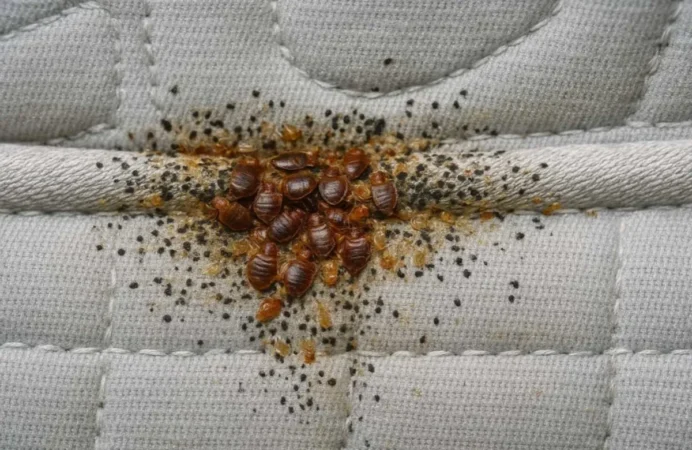


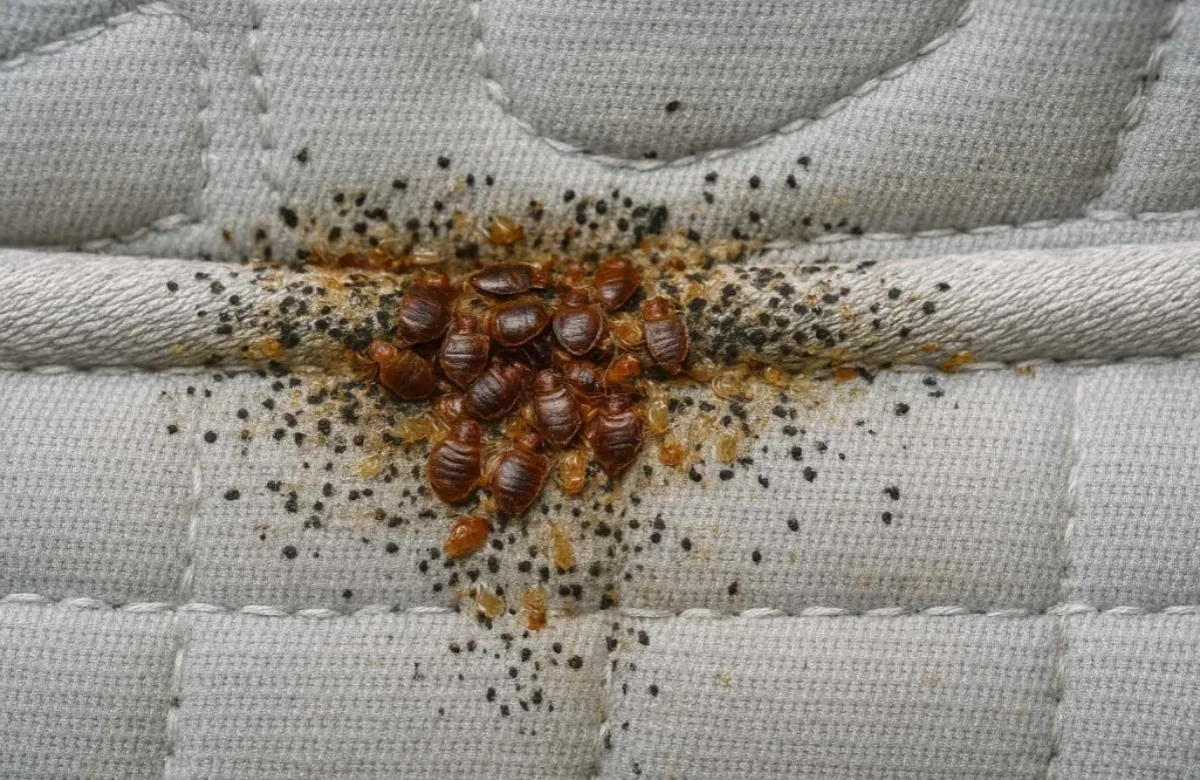
CALIFORNIA, United States — A laboratory accident has led to a potentially significant breakthrough in the fight against bed bug infestations.
Researchers at the University of California, Riverside have discovered that bed bugs, parasitic insects that feed on human blood, instinctively avoid water and wet surfaces. The finding could influence how pest control treatments are designed and applied.
The observation emerged during a routine laboratory feeding session when blood from an artificial feeder leaked onto paper inside a bed bug container. Instead of gathering around the spill, the insects retreated.
“I thought the bed bugs would be happy to drink the blood from the paper,” said entomologist Dong-Hwan Choe. “But what I saw was very different. They were actively avoiding the part of paper that became wet with blood. They wouldn’t even walk near the wet areas.”
To confirm the behaviour, researchers repeated the experiment using plain water. The response was identical. Adult males, females and immature nymphs consistently steered clear of damp surfaces.
The explanation lies in the insect’s physiology. Bed bugs have flattened bodies and breathe through small openings known as spiracles located along their abdomens. If these openings become blocked by water, the insect can suffocate.
“If they physically contact a body of water, they’ll get stuck to its surface, blocking their respiratory openings,” Choe explained. “Due to its strong adhesive power, water could be very dangerous from a bed bug’s perspective.”
Surface tension, the cohesive force at a liquid’s surface, can trap the lightweight insects, preventing oxygen from entering their respiratory system. In effect, moisture poses a potentially fatal threat.
The findings may have important consequences for the pest control industry. Many commonly used insecticides are liquid-based and leave temporary wet residues. If bed bugs instinctively avoid moisture, they could evade treated areas before chemicals take effect.
“If the insecticides don’t kill the bed bugs right away, then they will leave the treated areas and disperse elsewhere,” Choe warned.
Such dispersal could worsen infestations by driving the insects into new hiding places, including wall voids, furniture crevices or neighbouring rooms.
Experts say the research suggests that more effective strategies may involve combining fast-acting insecticides with physical barriers or treatment methods that restrict movement.
Heat treatments, which raise room temperatures to levels lethal to bed bugs, have gained traction globally as resistance to some chemical insecticides increases.
Bed bug infestations have resurged worldwide over the past two decades, affecting homes, hotels and public transport systems.
Also Read: Nipah virus: Deadly, dangerous — but is it the next pandemic?
According to pest management industry data, resistance to pyrethroid-based insecticides has complicated eradication efforts in many urban centres.
Reflecting on the discovery, Choe offered a humorous aside: “Take a bath. It’ll solve the problem … Of course, the bed bugs in the room or on the bed will require different approaches.”
While the findings were accidental, they may open new avenues in applied entomology. Further research is expected to examine whether moisture avoidance holds true in real-world environments beyond laboratory conditions.
If confirmed, the insight could help scientists and pest control professionals refine integrated pest management strategies, combining chemical, environmental and behavioural approaches, to tackle one of the world’s most persistent household pests more effectively.
