


KAMPALA, Uganda — Uganda’s Ministry of Foreign Affairs has advised its citizens to leave Iran immediately and withdrawn non-essential diplomatic staff from its embassy in Tehran following a sharp escalation in the Middle East conflict.
The directive comes after joint US and Israeli strikes on 28 February reportedly killed Iran’s Supreme Leader, Ayatollah Ali Khamenei, prompting swift retaliation from Tehran and raising fears of a wider regional war.
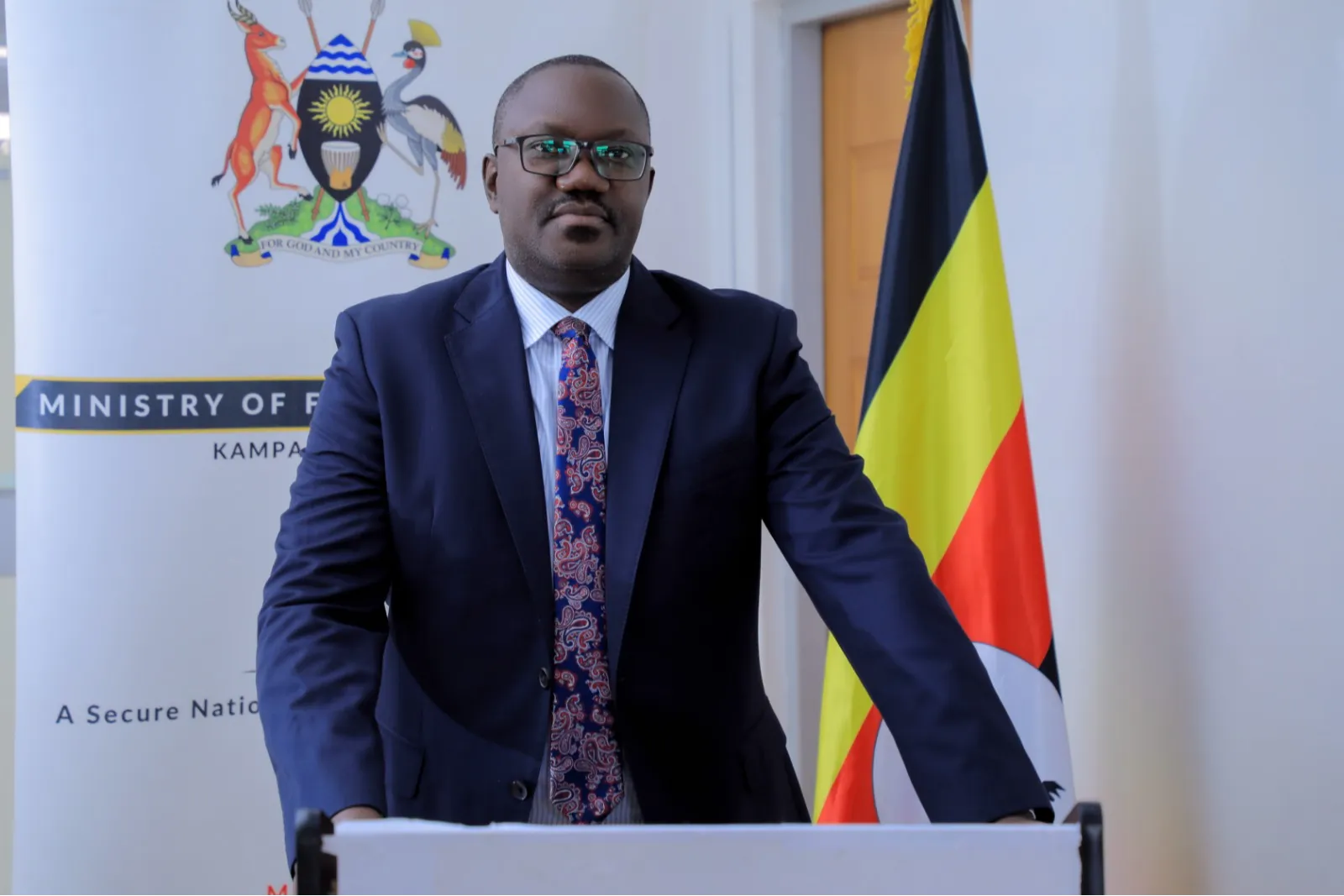
Permanent Secretary Bagiire Vincent Waiswa confirmed that non-essential personnel had been evacuated from Uganda’s mission in Tehran, significantly limiting consular operations.
“We are monitoring the evolving situation in the Middle East with grave concern and urge all parties to exercise restraint, prioritize dialogue, and avoid further escalation,” Waiswa said. “Safety is our top priority. Ugandans who can leave Iran should do so through any possible means.”
The ministry said alternative arrangements were being explored to support nationals still in Iran, though evacuation logistics remain complicated by airspace restrictions and ongoing hostilities.
Ugandans who remain in the country have been urged to stay indoors, keep community leaders informed of their whereabouts and follow verified news updates. Officials cautioned that evacuation information may be limited while military operations continue.
Precise figures for Ugandans in Iran are not publicly available, as many citizens travel independently and do not formally register with diplomatic missions.
The latest confrontation marks a dramatic intensification of tensions between Iran, Israel and the United States.
The long-running rivalry had already escalated in mid-2025 following Israeli strikes on Iranian-linked targets, triggering a 10-day exchange of missile and drone attacks.
Analysts say the current phase, reportedly targeting Iran’s nuclear facilities and senior leadership, carries the risk of sustained instability across the Gulf, a region critical to global oil supply and maritime trade.
Energy markets have reacted sharply to the crisis, with concerns over potential disruption to shipping through the Strait of Hormuz, a chokepoint for a significant share of the world’s crude exports.
Impact on Uganda
Uganda maintains a policy of non-alignment and has called for de-escalation and dialogue. However, its leverage in the crisis remains largely diplomatic.
Labour migration data from the Ministry of Gender, Labour and Social Development show that more than 250,000 Ugandans moved to the Middle East between 2016 and 2024, primarily for domestic, construction and professional employment.
While Saudi Arabia, the United Arab Emirates, and Qatar host the majority of Ugandan migrant workers, smaller but notable numbers are involved in trade, study and business activities in Iran.
Also Read: Uganda issues security advisory to nationals in UAE as Gulf tensions escalate
Remittances from Ugandans abroad contribute significantly to the country’s foreign exchange earnings.
Prolonged instability in the Middle East could affect these inflows and place additional strain on Uganda’s import-dependent economy, particularly if global oil prices rise further.
Security analysts warn that continued escalation could complicate evacuation efforts not only for Ugandans but also for other African nationals across the region.
For Kampala, the immediate focus remains the safety of its citizens. Officials say they will continue monitoring developments and issue further guidance as the situation evolves.
