


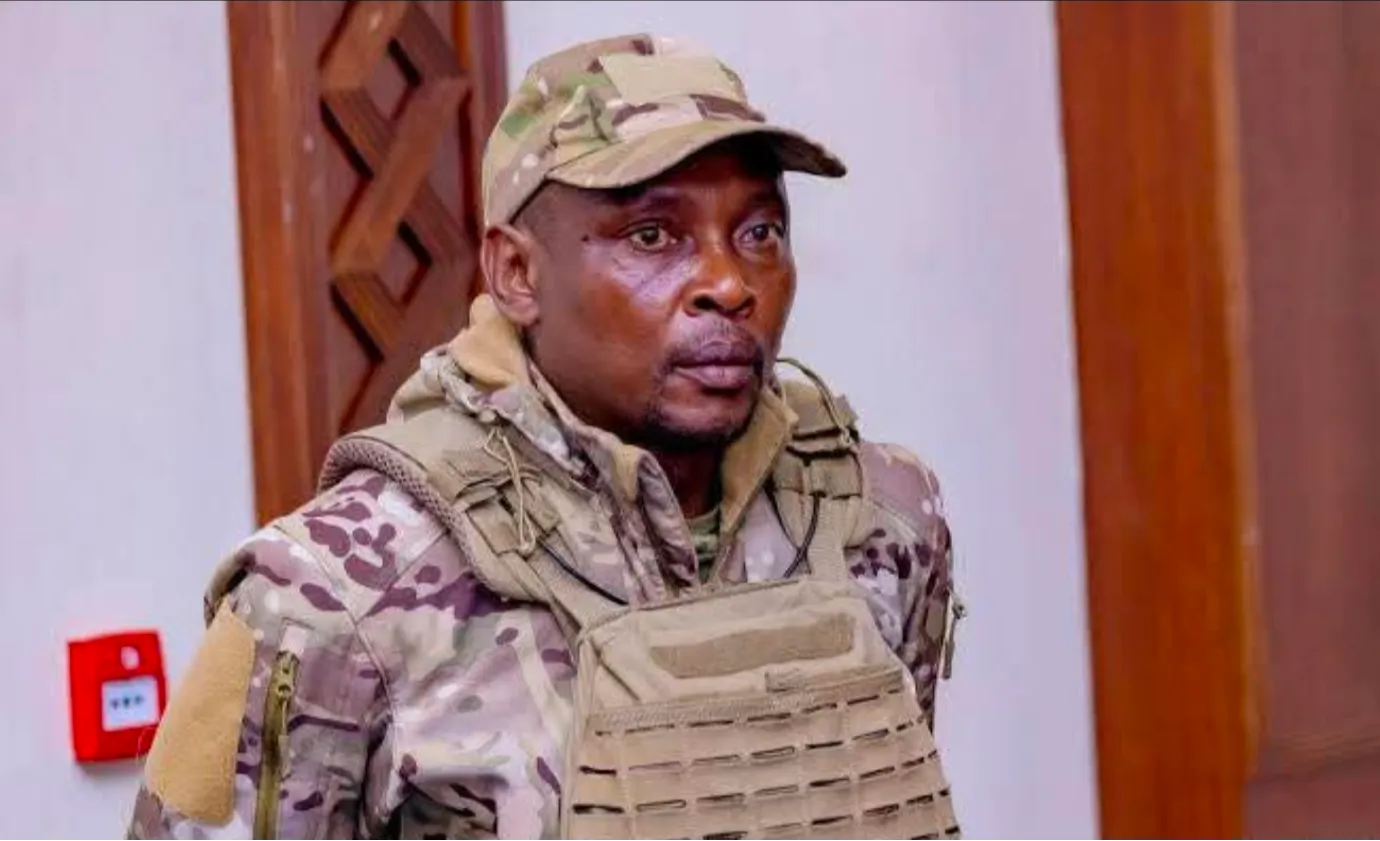
KIVU, DR Congo — Lieutenant-Colonel Willy Ngoma, the military spokesperson for the March 23 Movement and the Congo River Alliance, is feared dead following a reported drone strike by Congolese government forces on a rebel position in eastern Democratic Republic of Congo.
Reports from multiple Congolese media outlets indicate the strike occurred near Rubaya in North Kivu, a mineral-rich region that has become a focal point of the conflict.
The rebel group has not officially confirmed Ngoma’s death. However, its social media channels posted a black image accompanied by a broken-heart emoji hours after the reported strike, a gesture widely interpreted by observers as a sign of mourning.
War correspondent Steve Wembi, citing unnamed senior sources within M23, said Ngoma was killed “during the night of February 23 to 24, 2026, in a drone strike attributed to Congolese government forces.”
Earlier statements from M23 condemned the drone attacks but did not mention casualties.
A key figure in M23’s military messaging and strategy
Ngoma had emerged as one of the most recognisable faces of the rebel movement, frequently delivering operational updates and defending the group’s military actions in public briefings and media appearances.
Analysts say his influence extended beyond communications. He was widely regarded as part of the movement’s strategic core, helping shape battlefield positioning and political messaging during the group’s resurgence from 2021 onward.
Local reports suggest he was specifically targeted in the strike, although this has not been independently verified.
The reported strike took place near Rubaya, a key mining hub whose control carries economic and military significance in eastern Congo’s protracted conflict.
In 2025, M23 fighters dramatically expanded their territorial footprint. The group captured the provincial capital Goma in North Kivu before advancing toward Bukavu in neighbouring South Kivu, signalling a major shift in the conflict’s balance.
By late 2025, M23 forces had pushed as far as Uvira, later withdrawing amid mounting international diplomatic pressure and ceasefire efforts.
Ngoma’s prominence during these advances cemented his role as a central figure linking battlefield operations with the group’s public narrative.
International scrutiny and sanctions
Because of his leadership position, Ngoma had been named in sanctions frameworks linked to instability and alleged human rights abuses in eastern Congo. International bodies, including the United Nations Security Council, listed him among individuals accused of supporting armed activities contributing to regional insecurity.
If confirmed, his death could affect both military coordination within M23 and ongoing diplomatic attempts to stabilise the region.
Also Read: M23 rebels announce withdrawal from DR Congo’s Uvira after US pressure on Rwanda
Security analysts note that the removal of high-profile commanders often reshapes rebel command structures, potentially leading either to fragmentation or tactical escalation.
At the time of publication, official confirmation from M23 leadership or Congolese authorities remained pending. Observers are closely monitoring the group’s communications and battlefield developments for signs of leadership changes or retaliatory action.
The alleged loss of a senior commander represents a potentially significant turning point in one of Africa’s most complex conflicts, where armed groups, regional actors and international diplomacy intersect.
