



KAMPALA, Uganda — Ugandan authorities have declared two American citizens persona non grata, a rare diplomatic move signalling rising tensions between Kampala and foreign actors accused of interfering in the East African country’s domestic affairs.
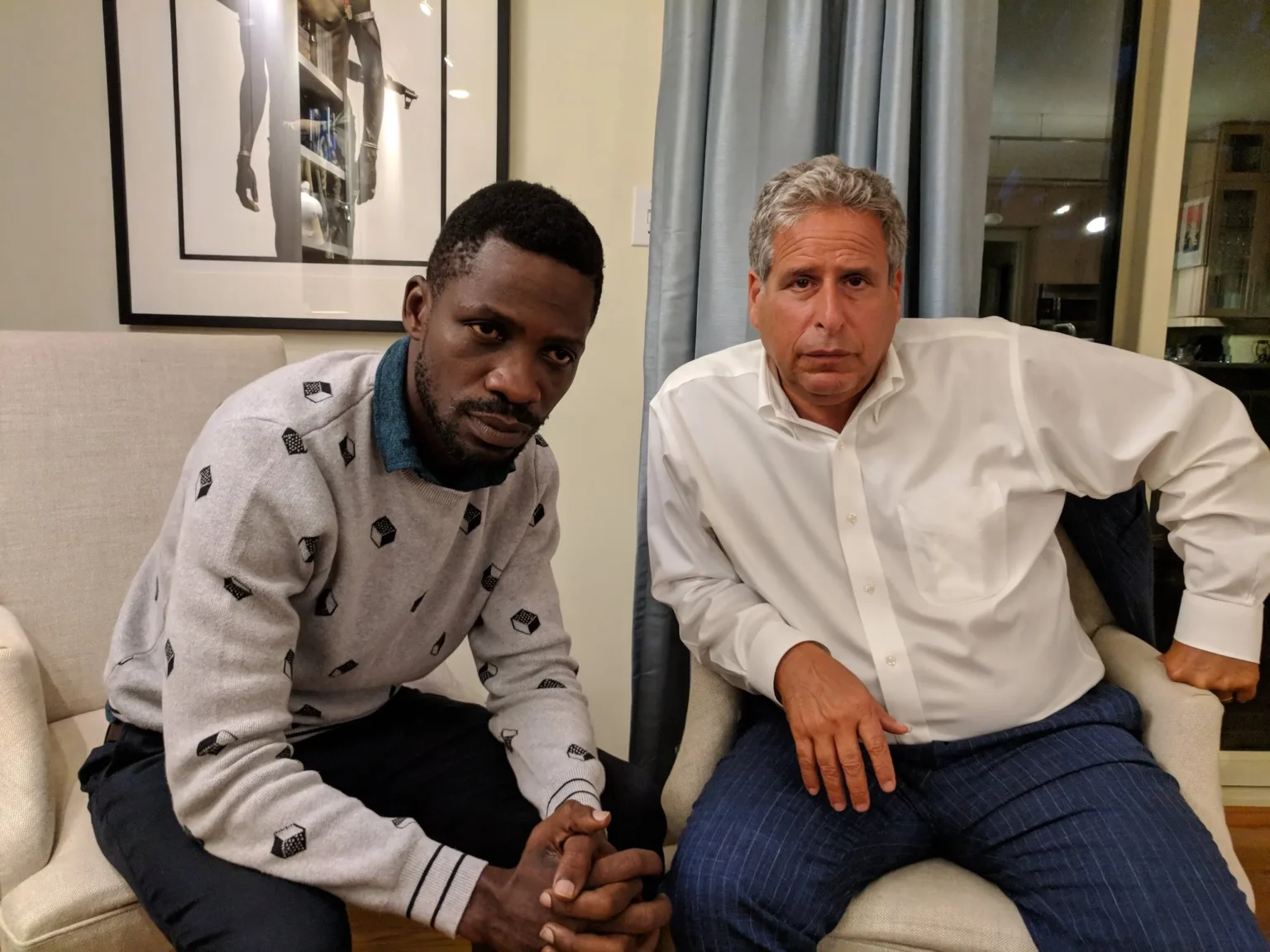
Security agencies identified Robert Amsterdam, a prominent international lawyer linked to the opposition National Unity Platform (NUP), and American activist Jeffrey Smith as the individuals whom it said had “engaged in sabotage against Uganda’s international interests and actively promoted subversive groups within the country.”
The move, announced on Monday by senior security sources, effectively bars the two from entering Uganda and marks a hardening stance by the government towards foreign involvement in the nation’s internal political dynamics at a time of heightened political sensitivity.
In diplomatic practice, declaring a foreign national persona non grata is among the strongest measures a state can take outside formal sanctions or criminal proceedings. It typically reflects accusations that the individual’s activities are incompatible with their host country’s national interests.
Accusations and Allegations
According to a senior security official cited by Vivid Voice News, both Amsterdam and Smith had crossed what Kampala describes as clear boundaries.
“A decision has been taken on the matter (declaring the duo persona non grata). In short, Smith and Amsterdam have proven themselves to be enemies of Uganda through destructive activism,” the source said.
He added: “They should never dare to set foot here because they will be arrested.”
Robert Amsterdam is a well-known international lawyer who has represented high-profile clients across Africa and beyond. He has frequently provided legal and strategic support to opposition movements and civil society, including the National Unity Platform, which has been at odds with the long-ruling National Resistance Movement (NRM).
Jeffrey Smith, an activist associated with rights organisations, has been involved in advocacy that Ugandan authorities consider critical of state policies and supportive of pro-democracy campaigns.
Diplomatic and political context
The announcement comes amid broader political turbulence in Uganda following a disputed January 15 presidential election marked by allegations of irregularities, protests and a tightening of political space. Opposition figures have accused security forces of repression, a charge Kampala has denied.
While the persona non grata designation does not automatically trigger legal action against the named individuals abroad, it carries significant diplomatic weight and is likely to complicate Uganda’s relations with civil society actors and international legal advisers who engage with domestic opposition groups.
Experts say the move may also reflect anxieties among Uganda’s leadership about foreign influence in national politics, especially as voices critical of the government gain traction domestically and internationally.
Also Read: International law firm flags electoral risks in Uganda ahead of 2026 general election
Analysts note that such declarations are unusual and tend to occur only in periods of strained political or diplomatic relations.
Reactions and implications
Neither Amsterdam nor Smith has issued an immediate public response to the designation. It remains unclear whether their legal teams or affiliated organisations plan to contest the decision through diplomatic channels.
The United States Embassy in Kampala has not yet released an official comment on the matter, though previous years have seen periodic diplomatic friction between Uganda and Washington over issues such as elections, human rights and regional security cooperation.
Because Uganda and the United States cooperate on a range of matters, including military training, counter-terrorism and regional security, the declaration of persona non grata status for US nationals could introduce a new and sensitive dimension to bilateral relations.
Observers will be watching closely to see how Washington responds and whether Kampala’s move signals a broader shift in how foreign individuals and organisations are allowed to operate within Uganda’s political space.