




KAMPALA, Uganda — Uganda’s ambitions to secure domestic fuel supplies through centralized, state-led imports are being constrained by structural bottlenecks, including restrictions on tanker vessel sizes and limited storage capacity, the Auditor General has warned in a report to Parliament this week.
Under Objective 3 of the Petroleum Supplies Act, Cap 163, the Uganda National Oil Company (UNOC) is mandated to import all petroleum products for the domestic market to guarantee supply security.
However, the latest audit reveals that current logistical constraints threaten this goal.
Tanker restrictions strain supply
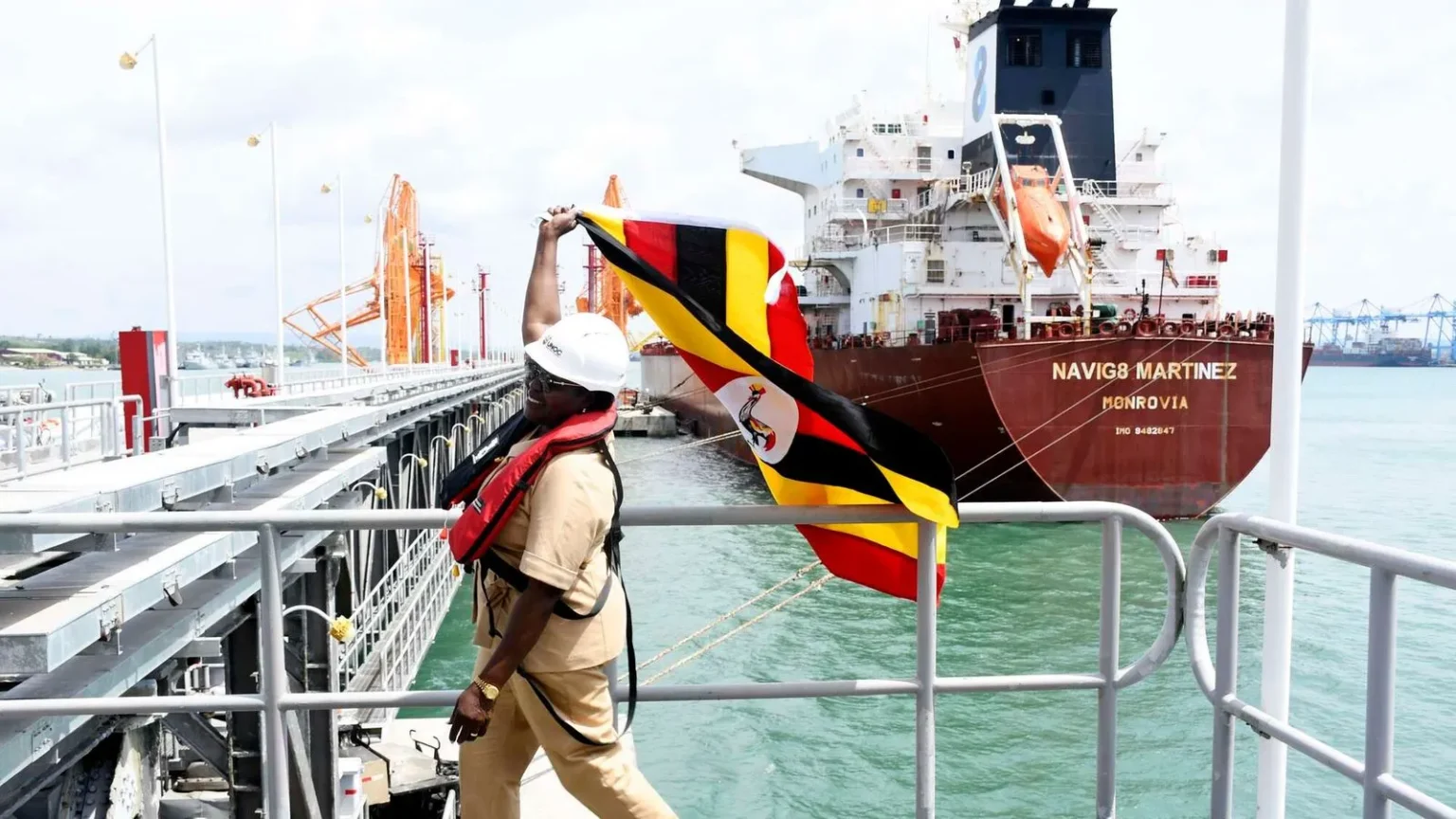
The report notes that petrol (PMS) delivery vessels are currently capped at 58,000 metric tonnes (MT), with a maximum 5% tolerance. UNOC prefers larger vessels to reduce unit costs and improve efficiency, but the cap restricts its operational flexibility.
Management told auditors that talks with regional stakeholders yielded a partial breakthrough in November 2025, allowing an extra 25,000 MT cargo of PMS. Further negotiations, particularly with Kenyan counterparts, are underway to raise the limit to 85,000 MT.
Proposed infrastructure upgrades, faster pumping from Mombasa to Nairobi, quicker coastal terminal evacuation, and expanded PMS storage in western Kenya, would enable larger tankers to offload safely.
Storage challenges compound the risk
Onshore storage remains a significant constraint. UNOC’s Jinja Storage Terminal (JST) holds 30 million litres, while national daily demand averages 6.5 million litres.
JST also functions as a commercial hub supplying oil marketing companies, leaving limited room for strategic buffer stocks.
“That leaves virtually no room for strategic buffer stocks,” the Auditor General warned, noting that any external supply disruption or operational failure could rapidly affect national supply.
Also Read: Kenya among Africa’s most expensive fuel markets: Petrol and diesel prices highest in EAC
UNOC plans to add a PMS tank at JST, lifting capacity to 40 million litres, still only about five days of cover. A larger-scale solution is the planned Kampala Storage Terminal (KST), with 240 million litres capacity.
Together, JST and KST would provide up to 280 million litres, covering around 40 days of demand. However, funding stockpiles to fill these tanks, estimated at Shs1.3 trillion, remains unresolved.
Implications for national supply
The Auditor General cautioned that limits on tanker sizes prevent UNOC from optimizing shipping economics and surge capacity.
Combined with constrained storage, these factors heighten the risk of fuel shortages and price volatility during regional logistics disruptions.
He recommended urgent action, including:
- Accelerating storage expansion projects
- Securing funding for strategic reserves
- Continuing negotiations to increase tanker-size limits
- Exploring alternative supply routes to boost resilience and flexibility
Without these measures, Uganda’s centralized fuel import model could remain vulnerable to both regional supply shocks and internal operational delays.
