


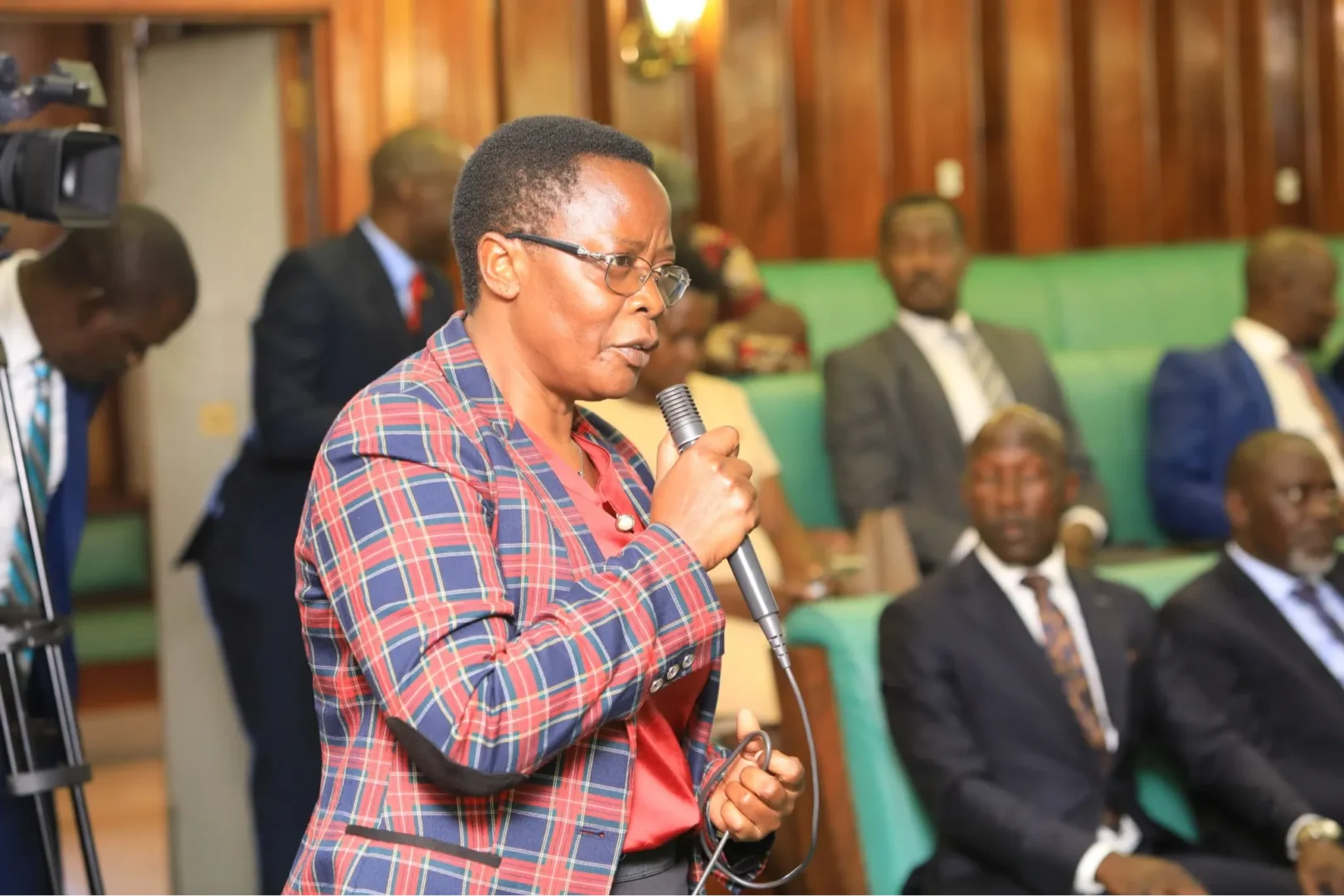
KAMPALA, Uganda — Uganda’s once-influential ‘Gang of Seven’ political bloc in Buganda has suffered a decisive setback following the 2026 parliamentary elections, with Betty Nambooze Bakireke emerging as the only member to retain a seat in Parliament.
Nambooze, who was re-elected as Member of Parliament (MP) for Mukono Municipality, now stands alone after the defeat of several long-serving allies who for more than a decade helped shape opposition politics in the central region.
Among those who lost their seats are Mathias Mpuuga Nsamba, Ibrahim Ssemujju Nganda, Medard Lubega Sseggona and Muhammad Muwanga Kivumbi.
Moses Kasibante, who had previously been associated with the bloc, had already been rejected by voters in earlier elections, further diminishing the group’s parliamentary footprint.
Attention has now turned to Erias Lukwago, another prominent figure linked to the Gang of Seven, whose political future remains undecided.
Lukwago is set to contest the Kampala Lord Mayor election on January 22, 2026, a race widely viewed as a key test of whether he can retain his standing as a leading opposition figure or join his colleagues outside elective office.
For more than 15 years, the Gang of Seven operated as a vocal pressure group within Uganda’s opposition, particularly in Buganda, where its members frequently challenged the ruling National Resistance Movement (NRM) on governance, constitutionalism and civil liberties.
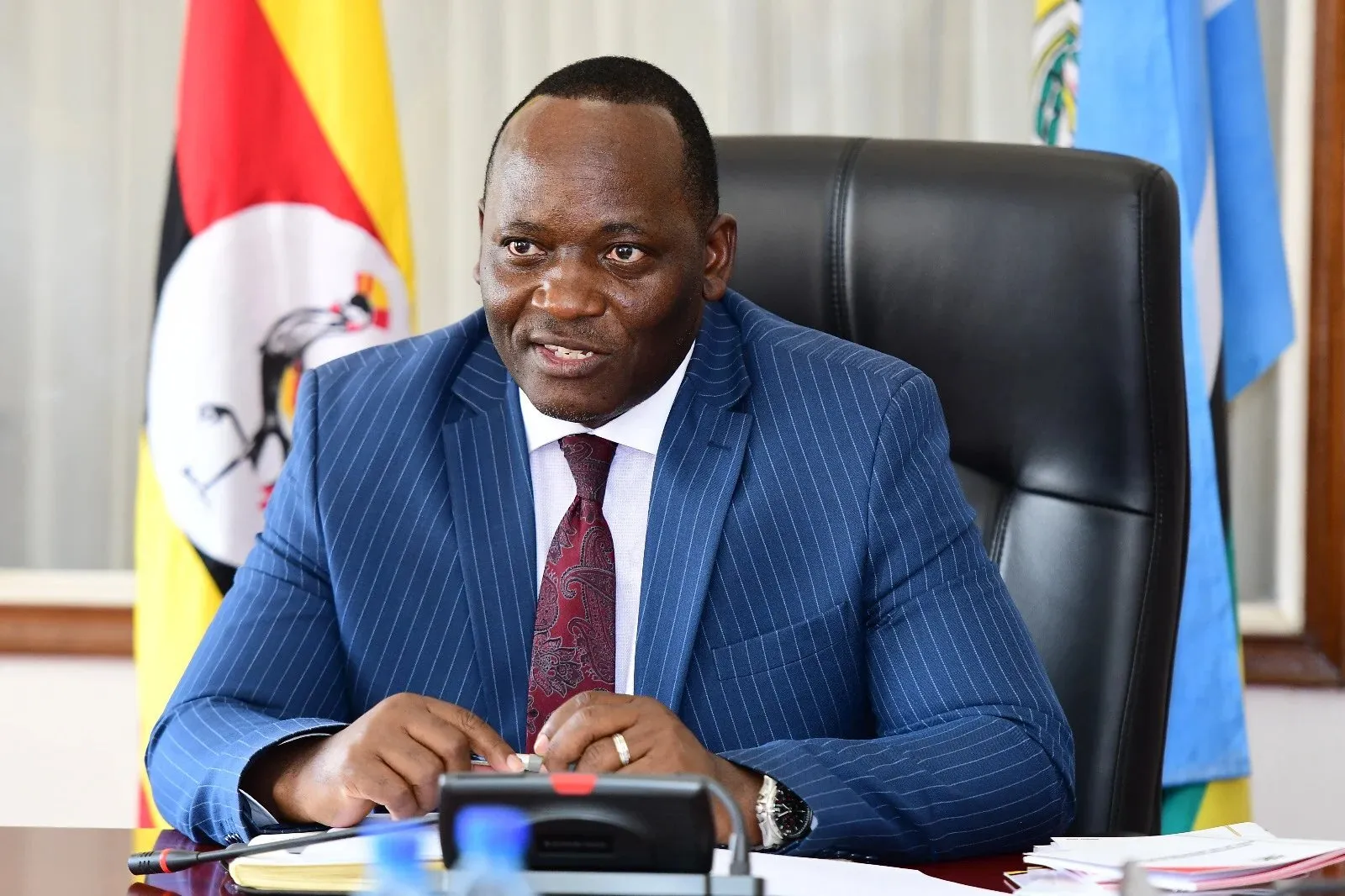
The outcome of the 2026 elections, however, has sharply reduced the bloc’s influence in Parliament.
The loss of several high-profile legislators is being seen by analysts as a significant turning point in Buganda’s opposition politics, reflecting shifting voter priorities and growing generational change within the electorate.
Ibrahim Ssemujju Nganda was the first among the defeated leaders to publicly concede defeat, describing the outcome as a reflection of voter choice.

“I was not rigged. The people made their decision, and I respect it,” Ssemujju said, even as some opposition figures continue to raise concerns about aspects of the electoral process.
Mathias Mpuuga struck a different tone, arguing that the elections failed to reflect the will of the voters while insisting that his political career was far from over.
“The process failed us, but this does not discourage me. The struggle continues,” Mpuuga said.
Despite the losses, members of the bloc have sought to frame their defeat as a temporary setback rather than political extinction, suggesting that time outside Parliament could provide space for reflection and reorganisation.
“Being outside Parliament gives us time to reorganize, reflect, and continue pushing for leadership change,” Ssemujju added.
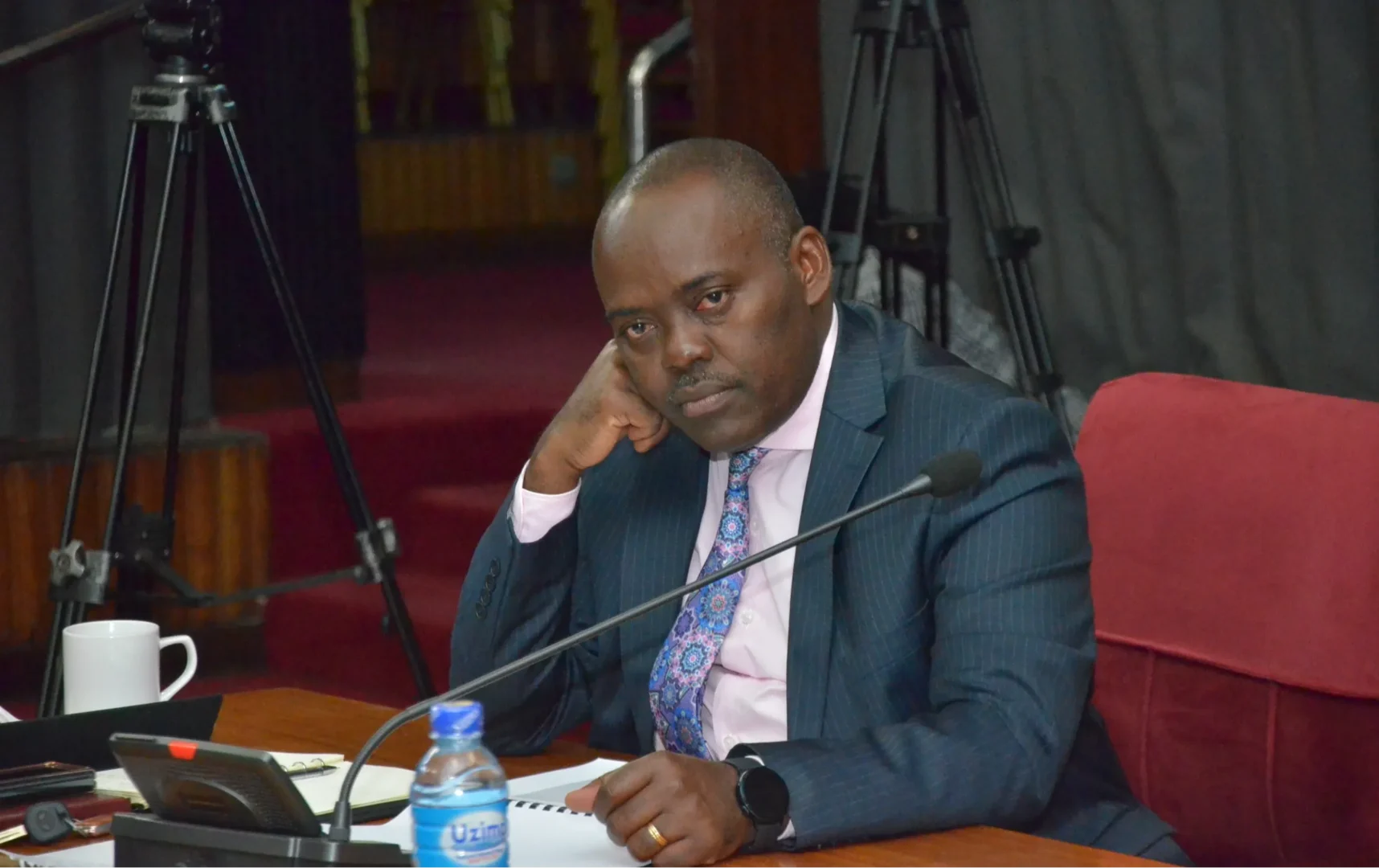
As the sole remaining Gang of Seven figure in Parliament, Nambooze dismissed suggestions that she is now politically isolated, arguing that the movement has evolved beyond its original membership.
Also Read: NRM won seats, but Buganda’s political soul remains with NUP
“We are no longer just seven people. We are now thousands,” Nambooze said. “I will work with the younger leaders who have emerged. The struggle is bigger than individual seats.”
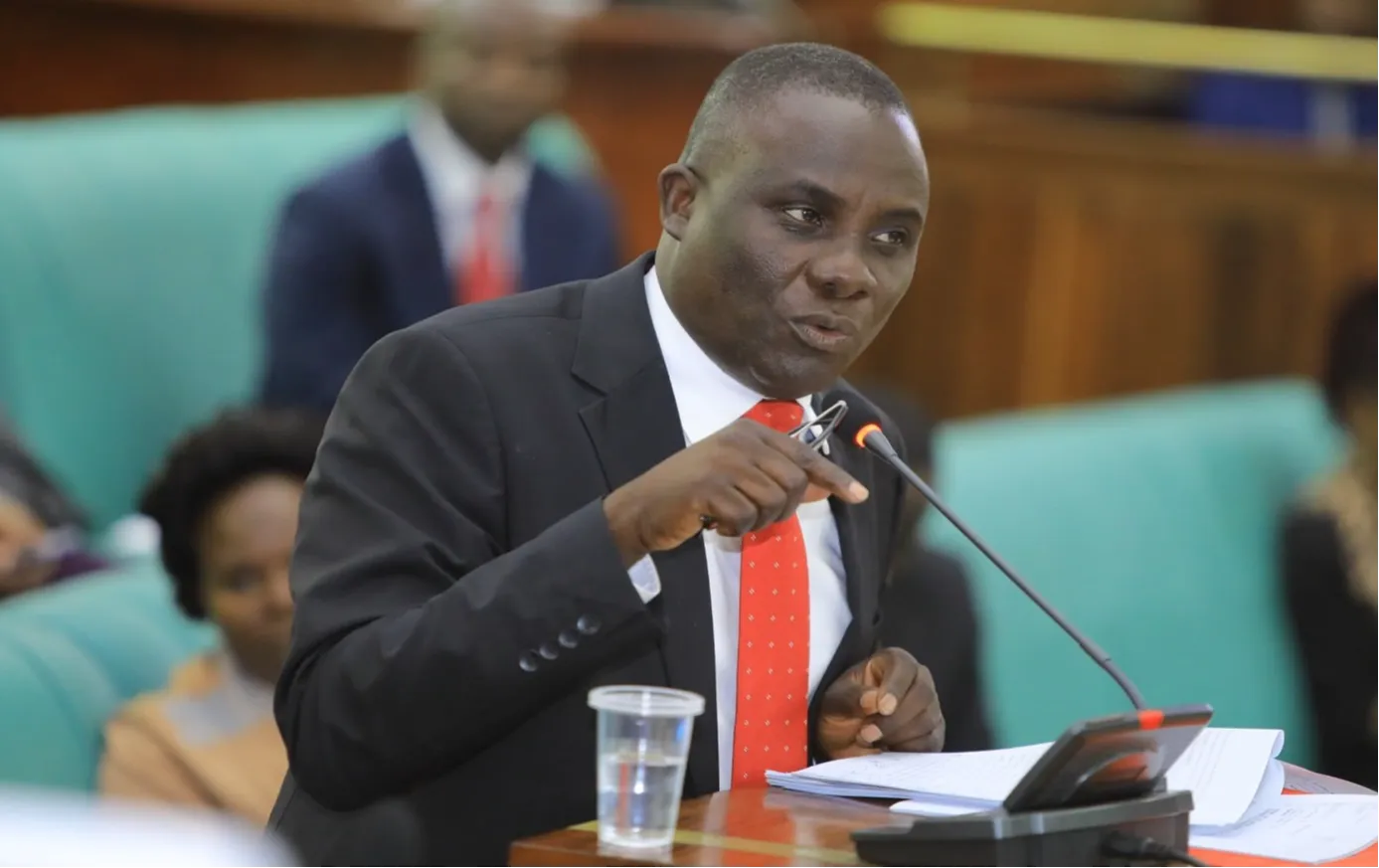
The ruling NRM has been quick to downplay the bloc’s prospects of a political revival. Party spokesperson Emmanuel Dombo said voters had decisively moved on, warning that defeated politicians risk fading into irrelevance unless they rethink their political approach.

“Ugandans have clearly rejected them. If they don’t rethink their politics or turn to the NRM, they will only remain in history books,” Dombo said.
With Lukwago’s political fate set to be determined later this month, the future of the Gang of Seven remains uncertain.
Whether the 2026 elections mark the definitive end of the bloc or the beginning of a broader regrouping effort will depend on its ability to reconnect with voters and redefine its relevance in Uganda’s evolving political landscape.
