


KAMPALA, Uganda — As Ugandans awaken to an internet partially restored after days of blackout tied to the 2026 general elections, questions about democracy, information control and economic cost are now central to the country’s political narrative.
On January 18, the Uganda Communications Commission (UCC) announced the phased restoration of public internet access, days after cutting connectivity ahead of the ballot, a move the regulator said was necessary to safeguard public order and curb misinformation.
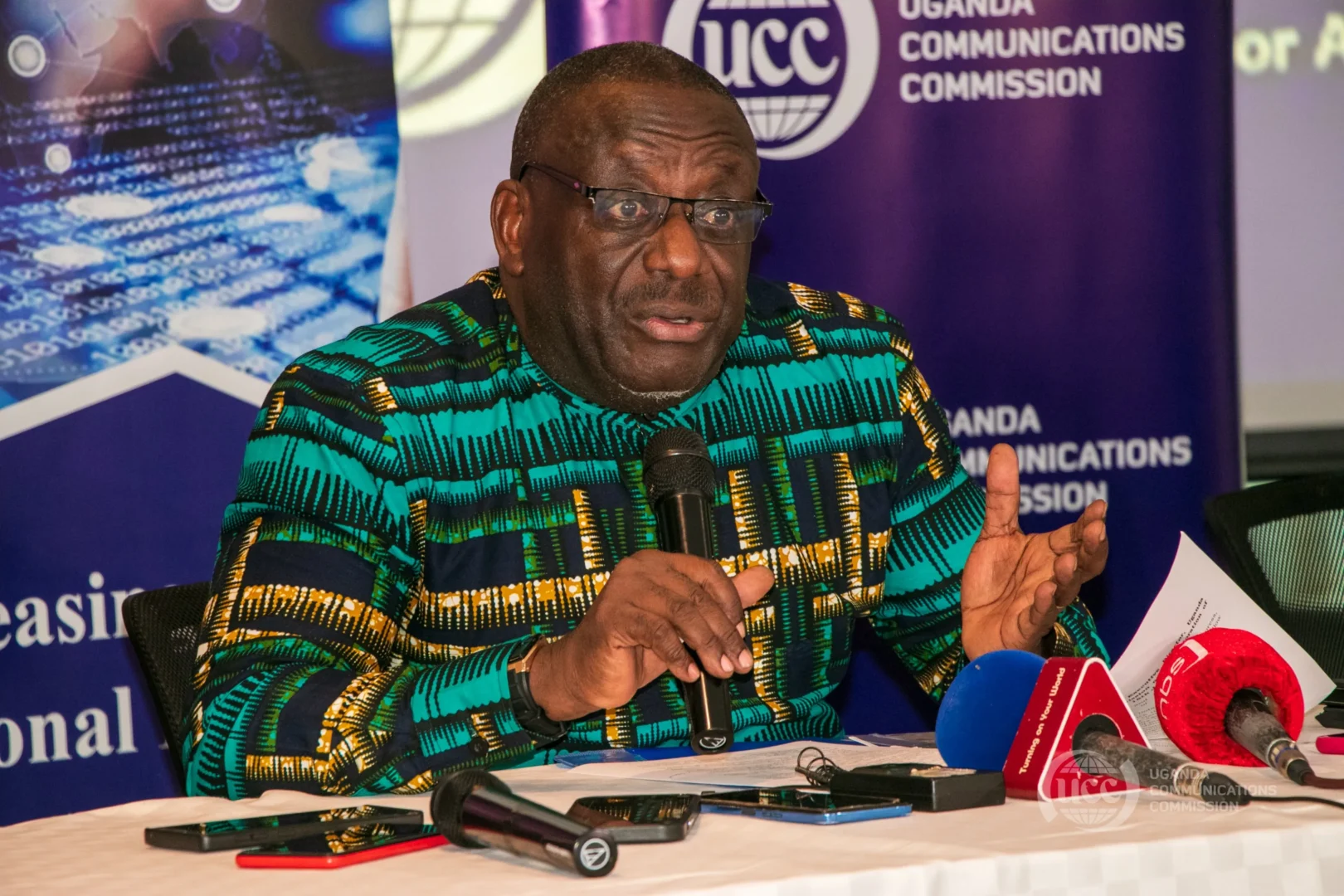
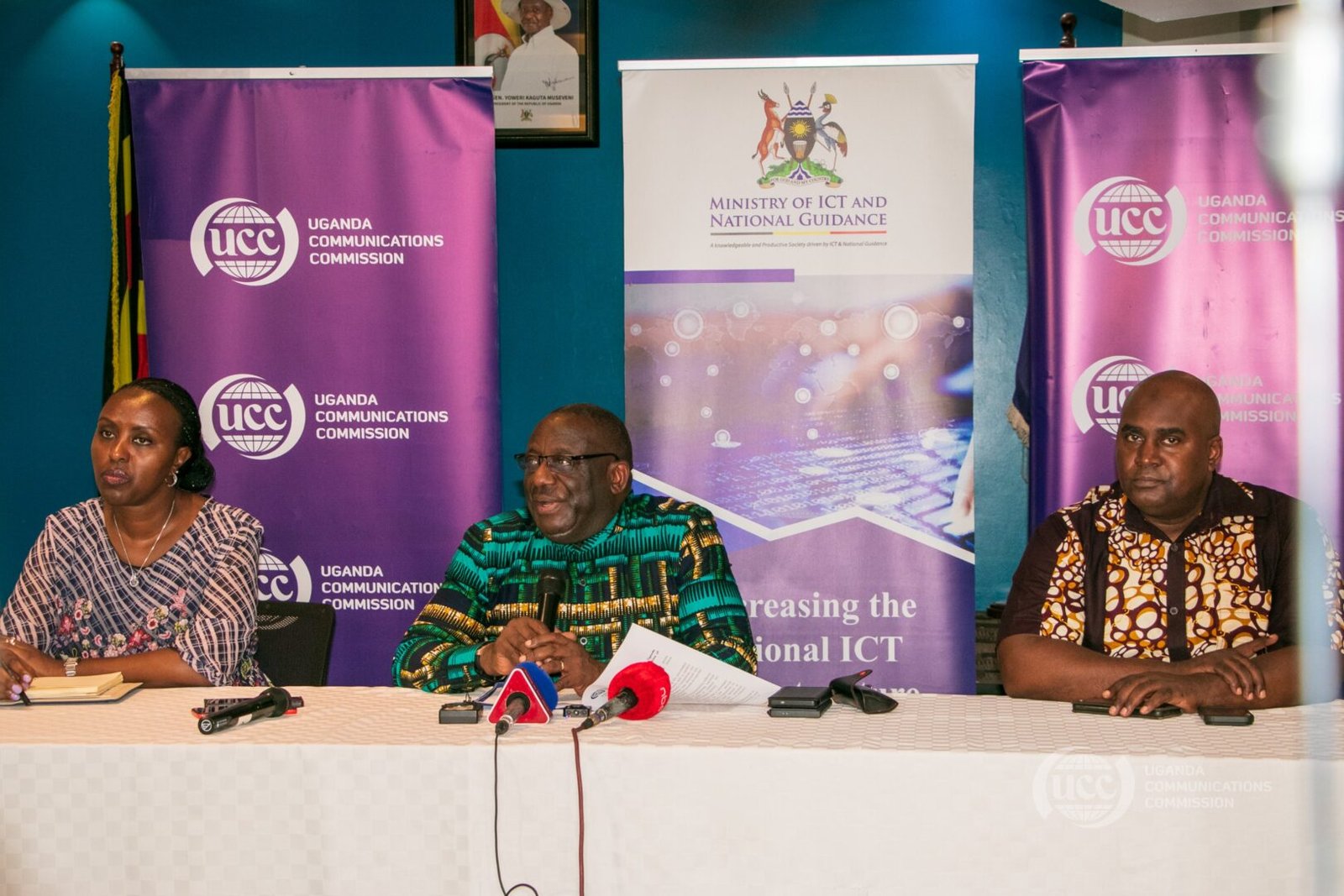
In a calm, carefully worded press briefing concluding the shutdown period, UCC Executive Director Nyombi Thembo framed the blackout as a reluctant but essential measure.
“The brief suspension of public internet was a necessary and proportionate step taken on the strong recommendation of the Inter‑Agency Security Committee to safeguard public order… prevent the rapid spread of misinformation and disinformation… curb potential electoral fraud…,” he told journalists. “Now that public internet is back, I urge every Ugandan to use this restored access responsibly and constructively.”
Yet beyond the official rhetoric lies a stark dissonance between state justification and lived reality, one that reverberates far beyond Kampala’s press room.
Election blackout as a political tool
The restrictions began on January 13, two days before polling, in an abrupt reversal of earlier official disclaimers that no shutdown was planned, assertions later proven inaccurate.
The blackout encompassed public internet access, outbound data roaming, new SIM registrations and blocked social media platforms and messaging applications, the latter remaining restricted even after the partial restoration of connectivity on January 18.
While the UCC maintains that social media and OTT restrictions are temporary “to safeguard against misuse that could threaten public order,” the more sobering interpretation from digital rights groups is that such tactics have become entrenched tools of political control.
Human Rights Watch has called blanket election‑period shutdowns a violation of fundamental freedoms of expression and access to information, obligations enshrined in both Uganda’s constitution and international human rights instruments.
This pattern is not unique to Uganda. Governments worldwide; from Iran to Ethiopia and Tanzania, have weaponised connectivity to mute dissent or manage political narratives during pivotal moments.
In the lead‑up to Uganda’s election, global civil liberties commentators flagged the shutdown as part of a broader trend of digital repression, where states exploit techno‑regulatory powers to control information flows during periods of heightened political tension.
Democracy in a blackbox
The consequences for electoral integrity are significant.
The 2026 election, marked by President Yoweri Museveni’s declaration of a seventh term and contested by opposition leader Bobi Wine, unfolded amid limited communication channels.
Critics argue that restricting information flow hindered independent observation, suppressed real‑time reporting and obscured transparency; core pillars of democratic legitimacy.
Opposition figures and civil society have been vocal. Bobi Wine described the overall election environment as repressive, recounting raids on his home and detention of party officials.
These accounts underscore concerns that digital blackouts, far from being neutral security interventions, can align with broader patterns of political intimidation.
Economic and social impact
Beyond the political sphere, the interruption of internet services has tangible economic costs.
Independent monitoring and user reports indicate that mobile money operations, e‑banking and digital commerce — lifelines for many Ugandans — were disrupted.
For informal traders, freelancers and small businesses that depend on connectivity, even short blackouts translate into real financial losses.
Online discourse; both in local forums and business communities, described the shutdown as more than an inconvenience: “an attack on the economy, on businesses and citizens,” with millions of transactions halted and revenue evaporated.
Rights, control and the future of digital freedoms
The UCC’s message urging “responsible digital citizenship” rings hollow to many observers who see a deeper structural problem: the absence of clear legal standards governing when and how states can restrict the internet without violating democratic norms.
Without transparent frameworks and judicial oversight, such shutdowns risk becoming routine mechanisms for political expediency rather than exceptional emergency tools.
Also Read: Why Museveni keeps winning: The truth no one admits
Civil liberties advocates point to the persistent nature of these shutdowns in Uganda.
Previous elections in 2016 and 2021 also saw significant restrictions, including multi‑day blackouts and social media bans — decisions that then had lasting economic and social repercussions.
Restored connectivity, unrestored trust
The restoration of public internet access after Uganda’s contested election is a necessary step for resuming economic activity and enabling basic digital rights. But the continuation of social media restrictions and the context in which the blackout occurred reveal a deeper crisis of democratic governance and information control.
Connectivity itself cannot be reduced to infrastructure alone; it is also a barometer of civic space.
As Uganda’s political and digital landscapes evolve, the critical question remains: will policymakers choose transparent, proportional regulation that strengthens trust, or default to opaque outages that undermine confidence in both the democratic process and the rights of citizens to engage in it?
Uganda’s experience at this crossroad is a cautionary tale for democracies wrestling with the tensions between security and freedom in an age where information is both power and vulnerability.
