


KAMPALA, Uganda — Internet access across Uganda has been partially restored, five days after the Uganda Communications Commission (UCC) ordered a nationwide suspension ahead of the January 15 presidential and parliamentary elections.
Despite the partial return, users continue to report slow speeds, intermittent connections, and limited access to social media platforms.
Businesses and individuals reliant on online services remain affected, highlighting the ongoing challenges in digital communication across the country.
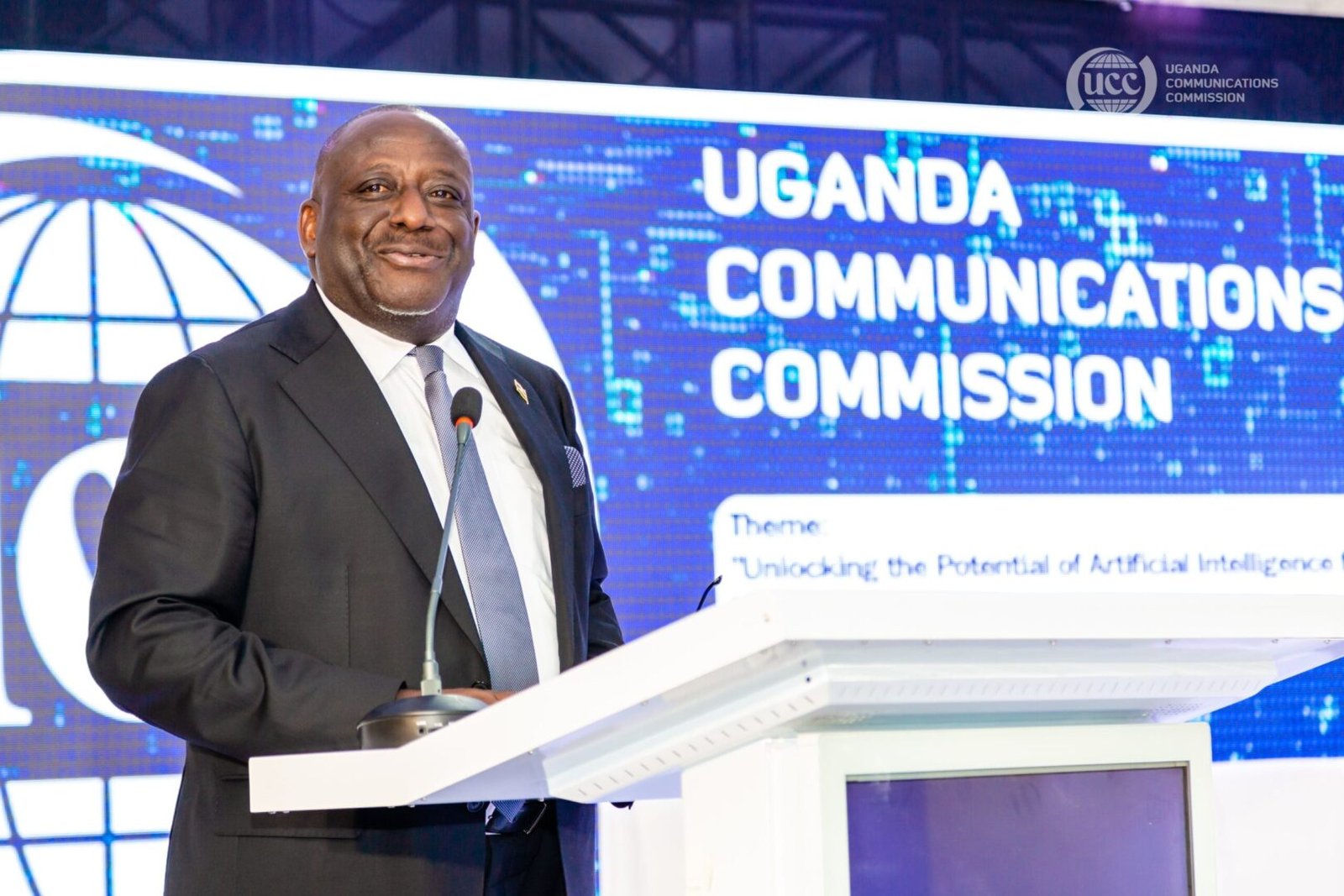
The restoration follows a January 13 directive by UCC Director Nyombi Thembo, which instructed mobile network operators and internet service providers to suspend public internet access, halt new SIM card sales, and block outbound roaming to One Network Area countries.
The restrictions, implemented two days before the election at 6 pm, primarily affected cyber cafés, public Wi-Fi hotspots, and other shared access points.
On Sunday, users reported that while basic connectivity had returned, platforms such as WhatsApp, Facebook, Instagram, TikTok and X (formerly Twitter) loaded intermittently, with messages failing to send, images not loading, and videos stalling. Mobile data bundles continued to be consumed despite limited functionality.
“We have internet, but it’s crawling,” said a business owner in Kampala who requested anonymity due to the political climate. “Emails take minutes to send, and social media opens only sometimes. It feels like the restrictions are still partly in place.”
IT personnel across Kampala and other urban centres confirmed persistent difficulties.
“We kept refreshing, restarting routers, and switching networks, but nothing changed,” said Taison Kule, an IT professional.
The slow restoration has raised questions about the scope and duration of UCC’s directive. While the commission stated the suspension would remain until a formal restoration notice was issued, no detailed public explanation has been provided regarding the phased return of services or reasons for ongoing limitations.
The UCC justified the blackout as a preventive measure aimed at curbing misinformation, electoral fraud, and online incitement to violence during the election period. The Electoral Commission(EC) had earlier warned that internet access would depend on user conduct online.
Civil society groups and digital rights advocates have criticized the shutdown, arguing that both partial and full internet restrictions undermine access to information, freedom of expression, and election transparency.
Many now call for a full and immediate restoration of services, with clear communication from authorities on any remaining restrictions.
Although the return of connectivity has provided relief, the slow speeds underscore how fragile digital access remains in Uganda during politically sensitive moments. Businesses, particularly those relying on online sales and services, report lost revenue and continued operational challenges.
Incumbent President Yoweri Kaguta Museveni won the elections, which were conducted amid the blackout, raising concerns about the economic and societal effects of restricted internet access during voting and result tallying.
Meanwhile, UCC chief Nyombi Thembo is expected to address the media at the UCC headquarters in Bugolobi later this afternoon, potentially clarifying the ongoing limitations and the timeline for full internet restoration.
