


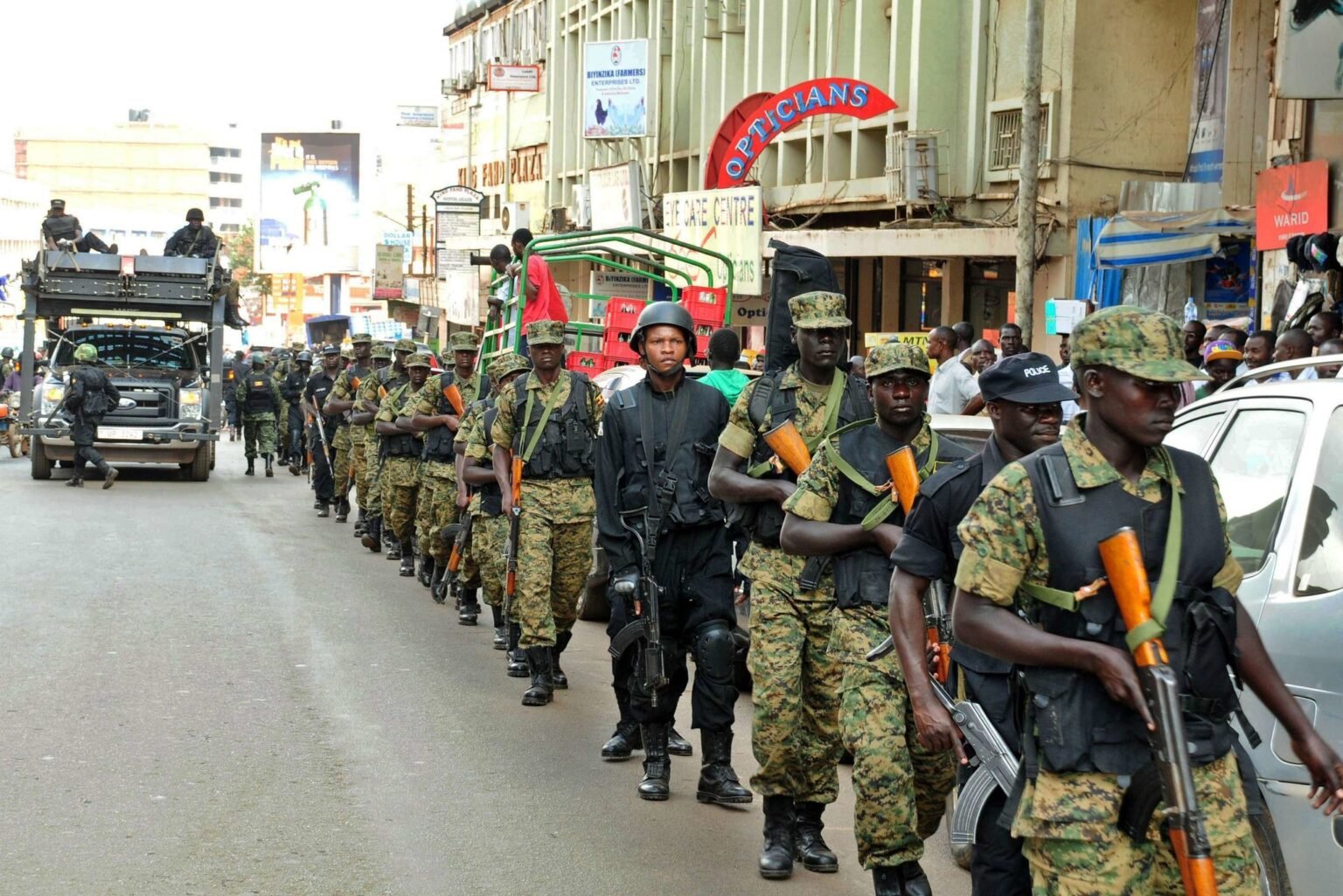
KAMPALA, Uganda — The U.S. Embassy in Uganda has issued a security advisory urging American citizens to exercise heightened caution following reports that security forces deployed tear gas and fired shots into the air to disperse crowds during post-election unrest.
In a statement released on Friday, the embassy described the situation in the East African nation as fluid and unpredictable, with tensions rising as official election results continue to be awaited.
The embassy advised U.S. citizens to steer clear of large public gatherings and demonstrations, noting that such events “can escalate without warning.” It also recommended that Americans monitor local media, limit non-essential movements and maintain a low profile.
Further guidance included staying alert to one’s surroundings, carrying a charged mobile phone with emergency contacts saved, and ensuring that proper identification is readily accessible.
The advisory emphasised the importance of documentation, urging U.S. citizens to carry a valid passport and current Ugandan visa at all times.
“U.S. citizens are encouraged to exercise enhanced caution, avoid large public gatherings, and limit unnecessary movements,” the statement read in part.
Violence reported after Thursday’s election
Thursday’s general election was followed by reports of violence in Butambala District, where local sources said at least ten people were killed and over 25 others arrested in clashes between security forces and opposition supporters. Human rights groups and witnesses have described the unrest as part of a broader pattern of post-poll tensions.
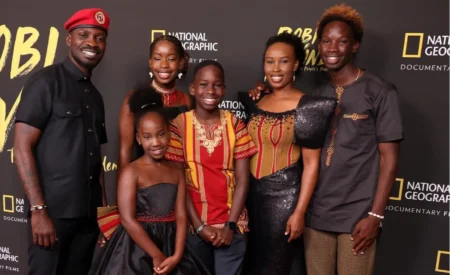
The security environment was further complicated by claims from the opposition National Unity Platform (NUP) that its presidential candidate, Robert Kyagulanyi Ssentamu, popularly known as Bobi Wine, was forcibly taken from his home by the Ugandan army and transported to an unknown location. The allegations heightened concerns over political stability and safety in the capital and beyond.
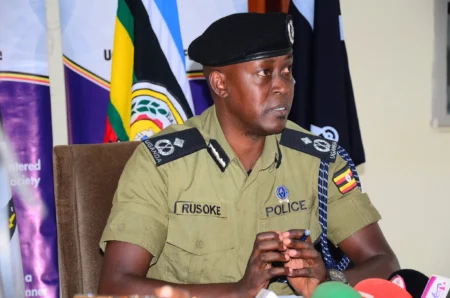
However, the Uganda People’s Defence Forces (UPDF) dismissed the claims. Army spokesman Chris Magezi told Vivid Voice News that reports of Bobi Wine’s arrest were unfounded and intended to incite supporters.
“The rumours of his so-called arrest are baseless and unfounded. They are designed to incite his supporters into acts of violence,” he said.
Also Read: Police deny Bobi Wine arrest as conflicting reports of post-election emerge
Presidential race and rising tensions
As of the latest provisional figures released by the Electoral Commission (EC), President Yoweri Museveni was leading the presidential contest with approximately 71.88 per cent of the vote, while Bobi Wine trailed on 24.46 per cent. The remainder of the tally was shared among six other candidates. These figures are subject to change as final results are compiled and announced.
Museveni, Africa’s longest-serving leader, has ruled Uganda since 1986 and was seeking a seventh term in office in an election that has attracted widespread domestic controversy and international scrutiny.
The combination of disputed results, high-profile opposition claims and reports of violence have intensified fears of broader instability. Local media and civil society groups have raised alarms about the political climate, including concerns over restrictions on internet access and the movement of key opposition figures.
Uganda’s post-election tensions come amid a broader East African backdrop of election-related unrest and contested results in recent years, which have periodically prompted foreign missions to issue safety advisories for their citizens.