

KAMPALA, Uganda — Polling stations across Uganda closed on Thursday after a fraught day of voting marked by long delays, widespread technical failures and an ongoing internet blackout imposed by the authorities, as President Yoweri Museveni pursues a seventh term in office.
The election, held under heightened security and restricted communications, saw citizens face hours‑long waits, malfunctioning biometric voter verification machines and delayed opening of polling stations in several centres. Election officials in some areas resorted to manual voter registers when electronic systems failed.
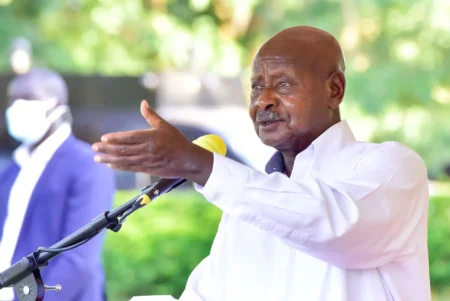
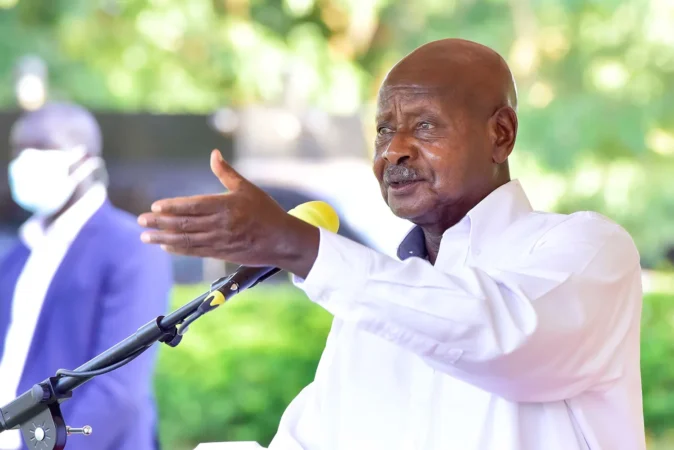
Museveni, 81, who has ruled since 1986, is widely expected to retain power, but the credibility of the vote was clouded by claims of irregularities and constraints on civic freedoms.
Delays, machines and a ‘dark’ election
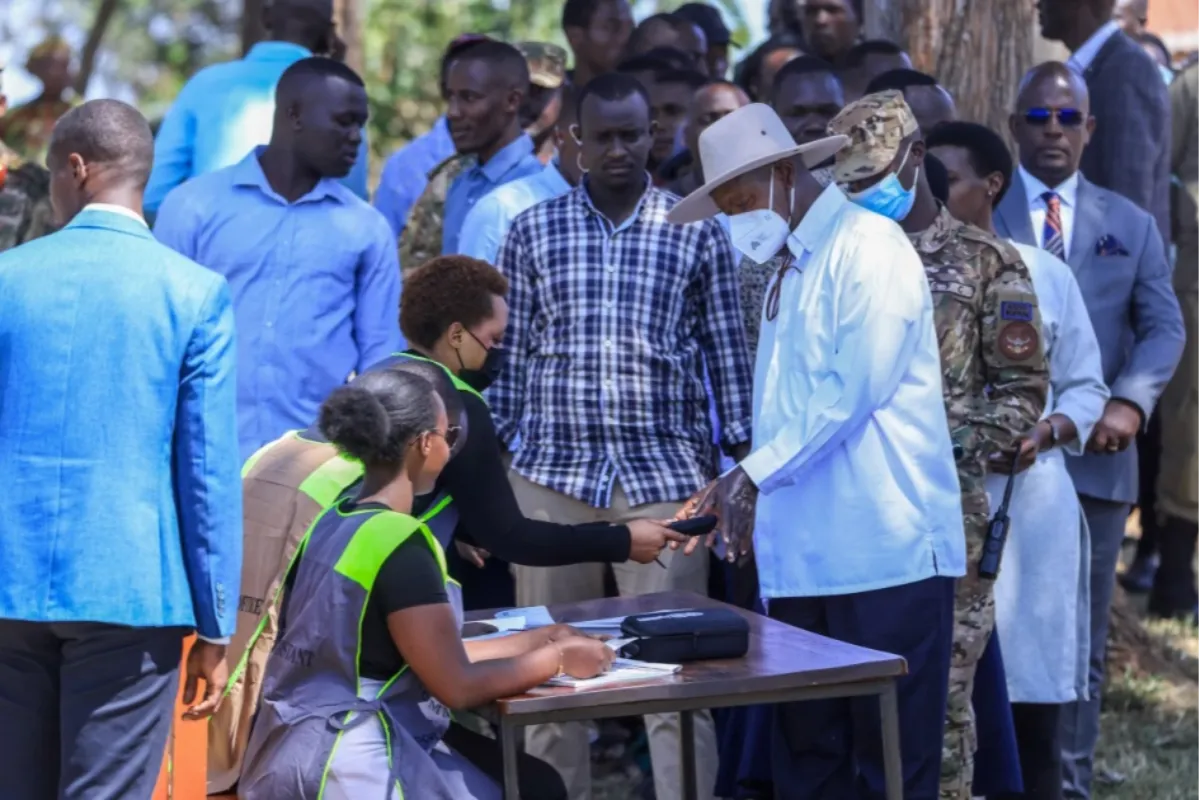
Voters in Kampala and other cities reported that polling stations opened late due to delayed arrival of ballot materials and defective biometric machines meant to verify identities.
In some locations the equipment did not accept fingerprints, forcing officials to switch to alternative verification methods.
At one polling station, Museveni himself experienced a malfunction: “I put my right… thumbprint. The machine did not accept it… I put my left, it did not accept it,” he told journalists, ultimately voting using a facial scan.
Many Ugandans also voiced frustration at the blackout. Opposition leader Bobi Wine, whose real name is Robert Kyagulanyi Ssentamu, accused the government of holding elections “in the dark” and alleged widespread electoral malpractice.
“This is done in order to facilitate the intended rigging of the regime,” he said after casting his ballot, calling on citizens to defend their votes.
The internet shutdown, ordered two days before the election by the Uganda Communications Commission (UCC) to curb misinformation, has also disrupted essential services including banking and communications, critics say.
Human rights organisations, including Human Rights Watch, have said the blanket blackout undermines transparency and fundamental freedoms at a critical moment for democracy, urging immediate restoration of connectivity.
Security and Political Tensions
Voting proceeded under a heavy police and military presence, with authorities determined to avert protests and unrest seen recently in neighbouring countries.
There were no widespread reports of large‑scale violence on election day, and the Ugandan Red Cross reported no significant incidents, highlighting the day as relatively peaceful despite logistical challenges.
However, the election campaign was characterised by repression and arrests of opposition supporters in the run‑up to polling, drawing criticism from rights groups.
A contested contest
Museveni’s long rule has made him one of Africa’s longest‑serving leaders, and he has used constitutional amendments to remove age and term limits that previously constrained his tenure.
Analysts note his entrenched control of state power and security services gives him a significant advantage in electoral contests.
Also Read: Museveni, one-time critic of clinging to power, casts vote in Rwakitura
Wine, 43, remains the most prominent challenger, drawing support especially among younger Ugandans demanding change amid economic frustrations. His campaign has been met with violent crackdowns and accusations of intimidation.
Results are due within 48 hours of the polls closing, as stipulated by the constitution, but scepticism over the process and calls for transparency persist.
International observers and civil society groups continue to monitor developments closely, with many urging respect for electoral norms and democratic freedoms in the final tally.