



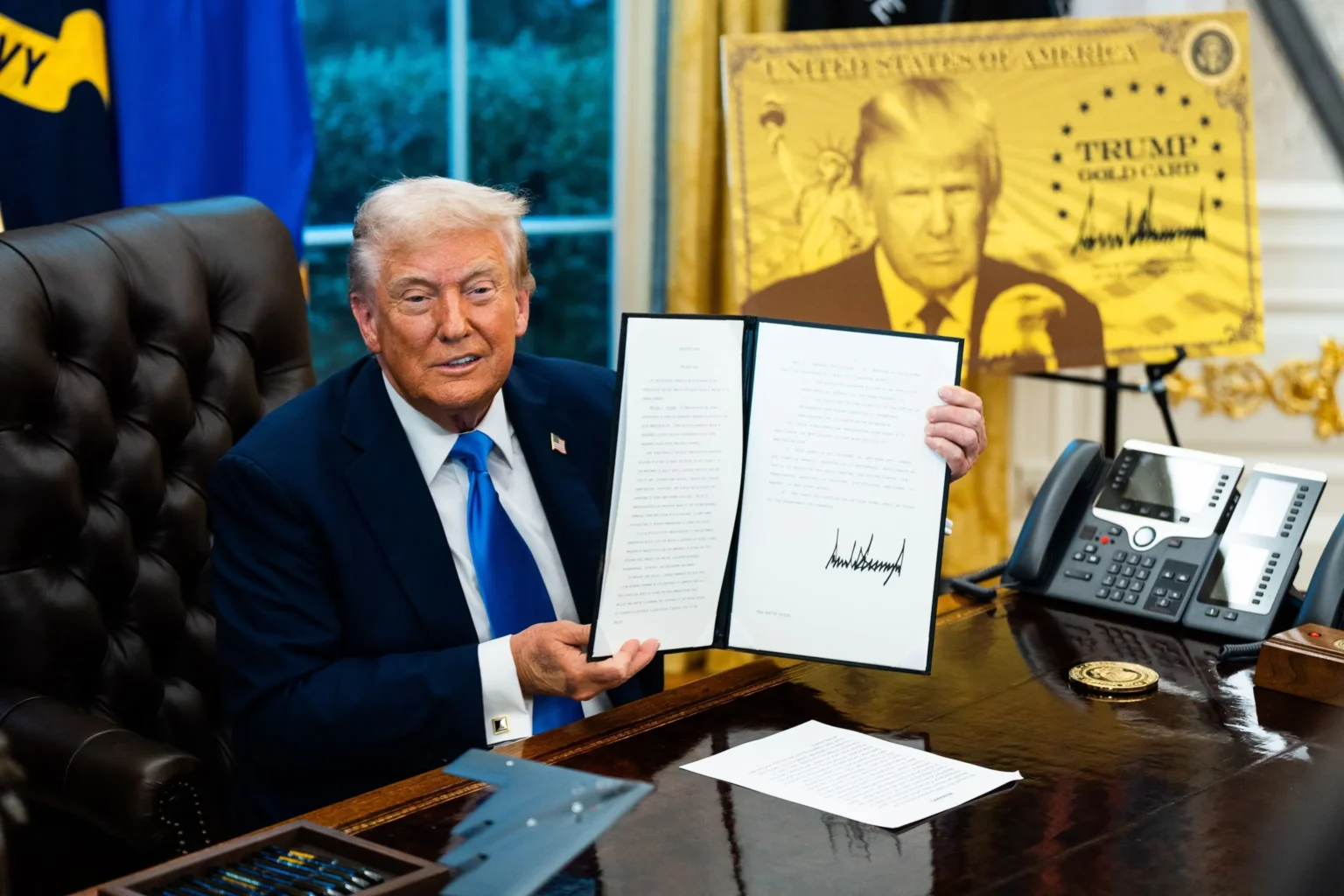
WASHINGTON D.C., United States — The United States has announced an indefinite suspension of immigrant visa processing for citizens of 75 countries, effective January 21, 2026, in one of the most expansive efforts yet to tighten legal immigration pathways under the current administration.
Under the policy, nationals of affected countries will no longer have their immigrant visa applications processed at U.S. embassies and consulates abroad, unless they qualify for narrow exceptions, including dual nationals holding passports from non-listed countries or cases tied to specific U.S. national interests.
Existing visas that have been approved but not yet printed must also be refused, according to internal guidance reviewed by multiple news outlets.
Public charge rationale and policy basis
The administration says the move is based on an expanded interpretation of the “public charge” rule, a longstanding provision in U.S. immigration law that allows consular officers to refuse visas to applicants deemed likely to become dependent on government benefits.
Officials describe the suspension as a reassessment of screening and vetting procedures to ensure that immigrants will be financially self-sufficient and not reliant on taxpayer-funded programs.
A senior State Department spokesperson justified the decision, saying the freeze aims to prevent the “abuse of America’s immigration system by those who would extract wealth from the American people.”
Critics, however, argue the policy disproportionately affects citizens of poorer countries and constitutes a form of indirect discrimination by restricting access to legal pathways for family reunification and work-based migration.
Scope and list of affected countries
The suspension spans all major global regions, including Africa, Asia, Latin America, the Middle East, and Eastern Europe.
The list includes conflict-affected states and longstanding U.S. partners alike, such as Afghanistan, Brazil, Egypt, Iran, Iraq, Nigeria, Russia, Somalia, Sudan, Thailand, Uganda and Yemen, among others.
Notably, several countries in East Africa, including Kenya and Burundi, were not included on the list, a development that regional analysts say could shift migration dynamics within the region.
Does it affect all visas?
The suspension applies only to immigrant visas, those that lead to permanent residency or a green card, and does not officially extend to non-immigrant visas such as tourist, business or student categories.
However, consular officers have been advised to scrutinise even these categories more rigorously for signs that applicants may seek public benefits upon entry.
Administration’s broader immigration agenda
The policy marks a continuation of the Trump administration’s broader immigration agenda since its return to the White House in 2025. In recent months, officials have also:
- Expanded travel bans covering multiple countries,
- Suspended asylum claims and citizenship processes for certain nationals,
- Revoked more than 100,000 visas, including student and work permits, citing overstays and other immigration violations.
Immigration experts warn that the indefinite pause could impact hundreds of thousands of families waiting to reunite with loved ones, skilled professionals seeking permanent work opportunities, and applicants from nations with historically strong migration ties to the United States.
Also Read: Trump bans travel from 12 countries to the US
Some analysts say the policy could reroute migration flows toward neighbouring countries or incentivise alternative migration strategies.
Reactions and human impact
Proponents of the suspension argue it is a necessary measure to ensure fiscal responsibility and protect American workers.
Opponents, including immigrant rights groups and legal analysts, say it will unjustly block legal paths to citizenship for millions and undermine U.S. commitments to family reunification and global humanitarian norms.
“This move will ban nearly half of all legal immigrants to the United States, turning away about 315,000 prospective immigrants annually,” said a senior fellow at a U.S. immigration policy think-tank in response to the announcement.
Critics also point out that a 2022 study showed immigrants overall use less welfare per capita than native-born Americans, challenging the premises behind the public charge rationale.
What happens next
Visa processing for the listed countries is slated to be paused from January 21, 2026, indefinitely, pending the completion of the State Department’s review.
While no official end date is set, the suspension underscores a broader conservative legislative and executive drive to reshape U.S. immigration policy in the years leading up to the 2028 Summer Olympics in Los Angeles and other major global events.
Here is the full list, which includes war-torn nations, US allies, and countries with long-standing migration ties to America:
- Afghanistan
- Albania
- Algeria
- Antigua and Barbuda
- Armenia
- Azerbaijan
- Bahamas
- Bangladesh
- Barbados
- Belarus
- Belize
- Bhutan
- Bosnia and Herzegovina
- Brazil
- Myanmar
- Cambodia
- Cameroon
- Cape Verde
- Colombia
- Côte d’Ivoire
- Cuba
- Democratic Republic of the Congo
- Dominica
- Egypt
- Eritrea
- Ethiopia
- Fiji
- The Gambia
- Georgia
- Ghana
- Grenada
- Guatemala
- Guinea
- Haiti
- Iran
- Iraq
- Jamaica
- Jordan
- Kazakhstan
- Kosovo
- Kuwait
- Kyrgyzstan
- Laos
- Lebanon
- Liberia
- Libya
- North Macedonia
- Moldova
- Mongolia
- Montenegro
- Morocco
- Nepal
- Nicaragua
- Nigeria
- Pakistan
- Republic of the Congo
- Russia
- Rwanda
- St Kitts and Nevis
- St Lucia
- St Vincent and the Grenadines
- Senegal
- Sierra Leone
- Somalia
- South Sudan
- Sudan
- Syria
- Tanzania
- Thailand
- Togo
- Tunisia
- Uganda
- Uruguay
- Uzbekistan
- Yemen