

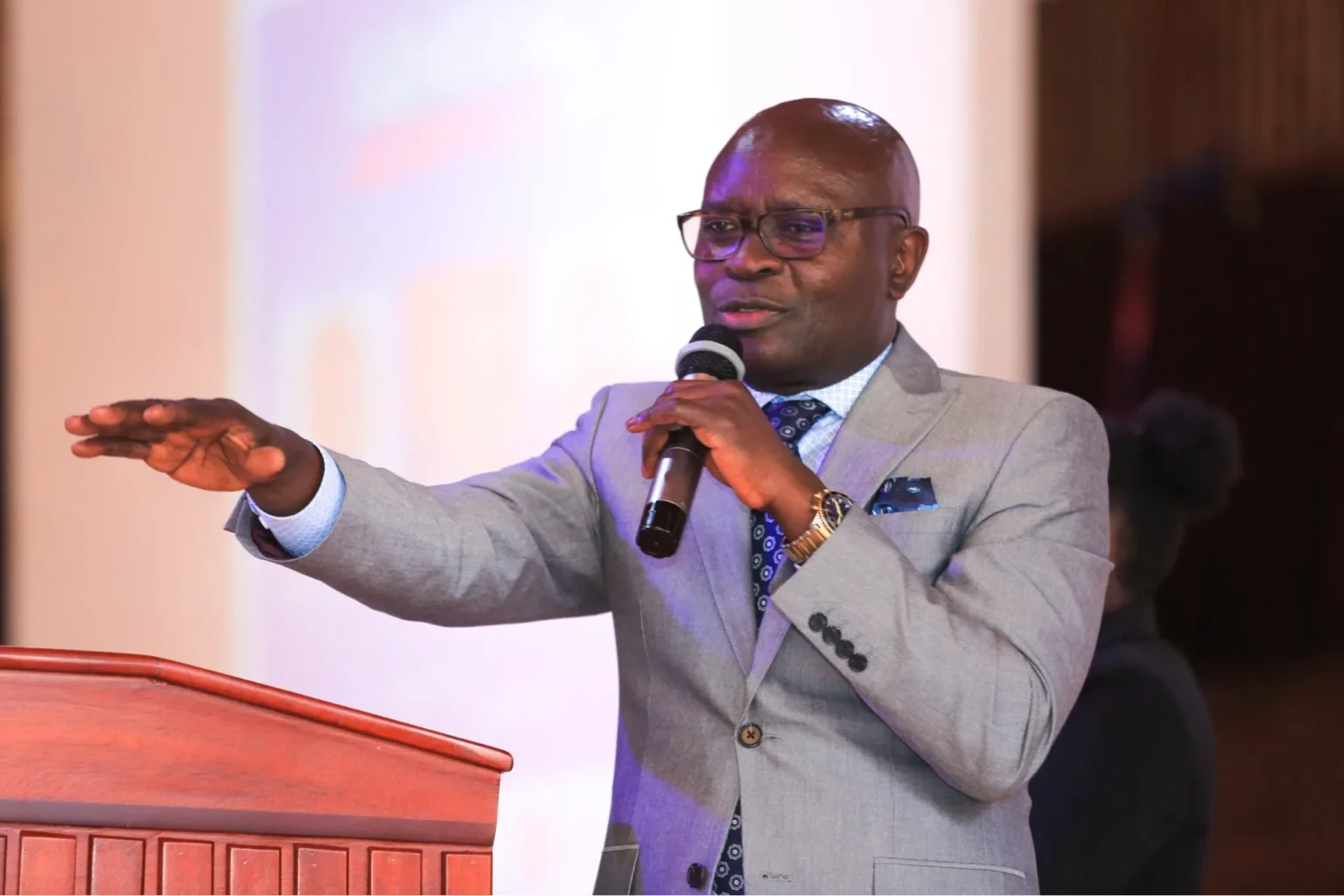
KAMPALA, Uganda — The Chairperson of Uganda’s Electoral Commission (EC), Justice Simon Byabakama, has dismissed threats aimed at influencing the outcome of the January 15 presidential election, insisting that only the law and the will of the voters will determine the results.
Addressing journalists at the EC headquarters in Kampala on Tuesday, Byabakama said had received warnings from unnamed individuals seeking to influence his actions but described them as idle intimidation that would not deter him from fulfilling his constitutional duties.
The Electoral Commission (EC) will declare presidential results within 48 hours after the close of polling, he added.
“There is a lot of careless talk going on. Some people say if you don’t declare so-and-so as President, you will see. I tell them that I am not in the business of donating votes,” Justice Byabakama said.
“It is the voters who determine how many votes a candidate gets. What the voters have said is what I will declare to the nation. Idle people have been threatening me, but I am not worried. I am busy doing my work.”
Byabakama stressed that Uganda’s Presidential Elections Act mandates the EC to ascertain, declare and publish results, and that the legal threshold for victory is more than 50 percent plus one vote of valid ballots cast.
“The law says that the candidate who receives more than 50 percent plus one of the total valid votes cast is the President of Uganda. The Presidential Elections Act commands the Electoral Commission to ascertain, declare, and publish the results. You cannot circumvent that provision,” he said.
Byabakama’s remarks come amid escalating tension around Uganda’s elections, which pit long-time President Yoweri Museveni, in power since 1986 and seeking a seventh term, against a field of challengers led by opposition figure Robert Kyagulanyi popularly known as Bobi Wine.
With approximately 21.6 million registered voters, the presidential race has unfolded against a backdrop of internet disruptions, heightened military deployments, crackdowns on civil society, and allegations of repression by opposition activists and international monitors.
Security and credibility concerns
Security forces have been deployed extensively across Kampala and other key regions in the lead-up to polling day, a move that critics say risks intimidating voters and undermining the perception of free choice.
The electoral period has also seen the government suspend the operations of rights organisations such as Chapter Four Uganda and the Human Rights Network for Journalists-Uganda, citing national security concerns, a decision that has drawn international criticism.
International observers, including a delegation from the East African Community (EAC), are present in Uganda to monitor the polls and assess compliance with democratic standards.
Calls for lawful participation
Addressing questions about the heavy presence of security personnel, Byabakama framed their role as a peacekeeping measure, not one intended to intimidate voters.
However, the broader electoral environment remains fraught. Rights advocates and opposition figures warn that new restrictions, such as internet shutdowns and limitations on live coverage, coupled with a history of election-related violence, could affect public confidence in electoral integrity.
Also Read: Uganda’s 2026 election on a knife edge as opposition warns of repression and violence
The Commission has also previously cautioned election observers against premature commentary, reaffirming that observation reports should be compiled responsibly and submitted within six months after the election, in line with legal requirements.
Other presidential contenders have voiced concerns about the fairness of the EC’s scheduling and resource allocation, arguing that it advantages certain candidates over others, claims the Commission has repeatedly denied.
48-hour declaration timeline
Byabakama confirmed that, following the close of polling on Thursday, the EC will aim to release the presidential election results within 48 hours, placing the expected announcement around Saturday, January 17, at approximately 4 p.m.
As voters prepare to cast their ballots under tight security and heightened scrutiny, Byabakama reiterated that legal frameworks and voter intention, not threats or pressure, will shape the official outcome.