



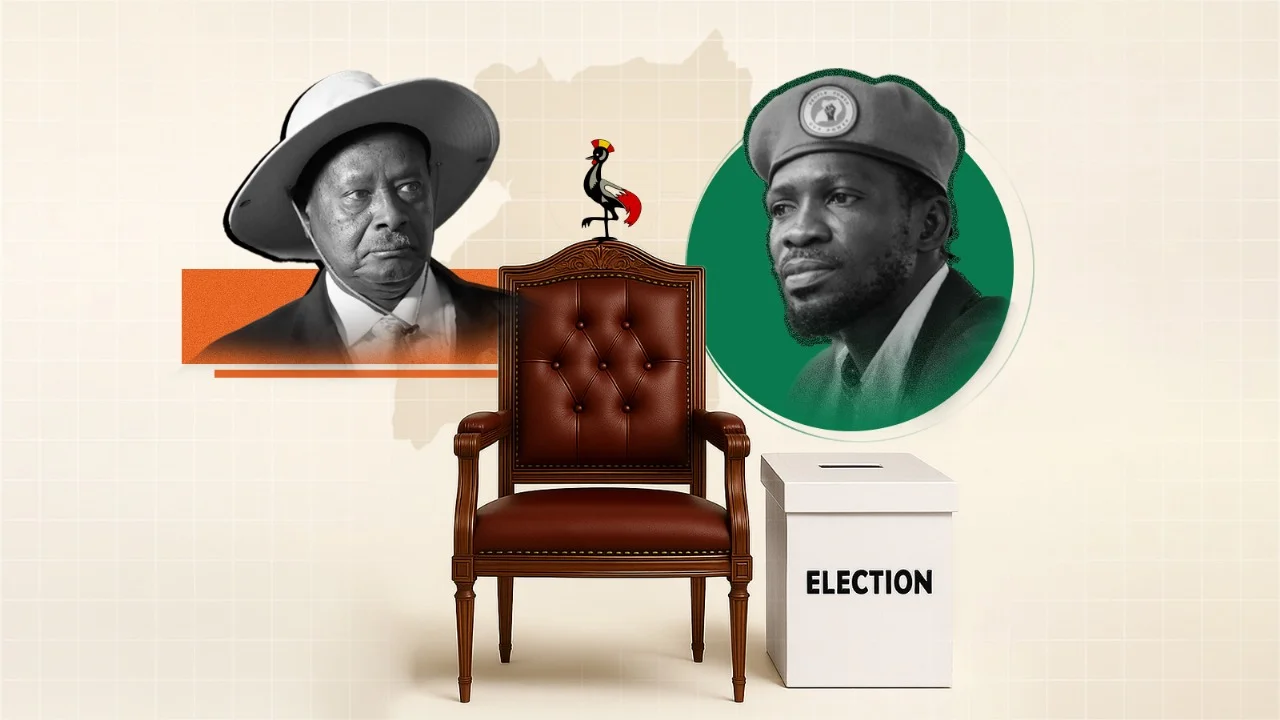
KAMPALA, Uganda — Ugandan pop star-turned-politician Robert Kyagulanyi Ssentamu, widely known as Bobi Wine, says he has been beaten, tasered, teargassed and pepper-sprayed while campaigning against President Yoweri Museveni, casting a stark spotlight on the violent and highly securitised nature of Uganda’s latest election.
For the 43-year-old opposition leader, now nearly a decade into politics, violence has become a recurring feature of political life. He has built his public identity on uncompromising resistance to what he calls President Museveni’s “dictatorship,” framing his campaign as a struggle not merely for office but for Uganda’s political future.
Wine, legally Robert Kyagulanyi, is not widely expected to defeat President Museveni, now 81, who has ruled since 1986, when Wine was just three years old. Yet by mobilising millions of disillusioned young voters in his second presidential bid, Wine has emerged as Museveni’s most formidable challenger in years, at a time when questions of succession increasingly dominate political discourse.
“Every time we go through this treacherous atmosphere and we get to the people, it’s like a breath of fresh air,” Wine told Vivid Voice News this month.
“The knowledge that the regime is actually doing this to ‘break my back’, that they’re doing this to demoralize us – we choose to deliberately not stop, just to show them that we can keep going.”
The government has rejected allegations of systematic abuse, saying security forces intervene only when Wine’s supporters breach campaign regulations by blocking roads or holding rallies outside permitted hours.
A familiar pattern of repression
Wine’s current campaign echoes the violence of the 2021 election, when more than 50 opposition supporters were killed by security forces during protests and campaign events, according to rights groups. He was detained repeatedly and began wearing a bullet-proof vest and helmet at public appearances.
President Museveni was declared the winner with 58 per cent of the vote. Wine later withdrew a legal challenge, accusing judges of bias. The United States government said the election was “neither free nor fair,” a conclusion rejected by Museveni’s administration.
This time, human rights organisations report similar patterns: the use of live ammunition and teargas at opposition gatherings, the arrest of hundreds of supporters, and the killing of at least one person during campaign confrontations.
Succession politics and rising stakes
Although President Museveni’s re-election is considered all but assured, the vote’s broader significance lies in succession. The president is widely believed to be preparing the ground for his son, General Muhoozi Kainerugaba, Uganda’s military chief, despite repeatedly denying grooming him as a successor.
A wide margin of victory would strengthen Museveni’s authority and reduce the likelihood of protests that could fracture the ruling National Resistance Movement and unsettle the state.
From ghetto star to political symbol
Wine’s personal story has become central to his political appeal. The 20th child in a polygamous family of 33 siblings, he says his activism was shaped by watching his mother struggle to survive as a street vendor in Kampala’s Kamwokya slum.
His music career exploded in the early 2000s with songs condemning poverty, corruption and repression, delivered over upbeat rhythms that made him one of East Africa’s most recognisable artists.
“When the going gets tough, the tough must get going especially when leaders become misleaders and mentors become tormentors,” he sang in 2016’s Situka (“Rise Up”).
His 2017 parliamentary victory transformed him into a national political force, channeling the frustrations of a young population, over 73 per cent of Uganda’s 46 million people are under 30, and more than 42 per cent of youth are neither working, studying nor training, according to the 2024 census.
Vision and limitations
Wine says his presidency would focus on restoring the rule of law, creating jobs and eliminating corruption. Critics, including some government opponents, say his policy proposals lack detail.
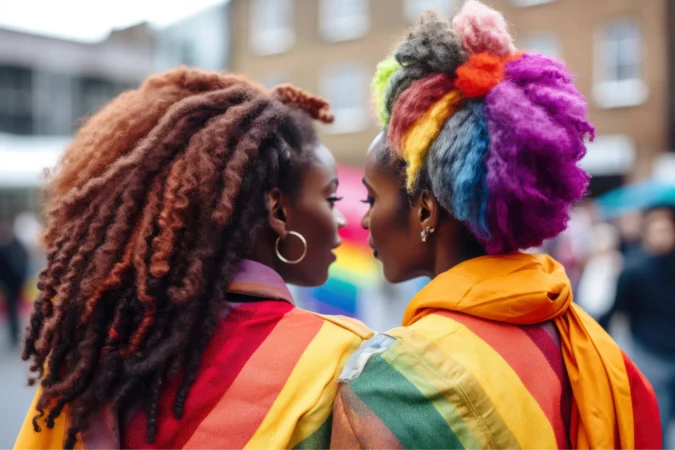
LGBTQ activists fault him for failing to mount a stronger challenge to the 2023 law that introduced the death penalty for certain same-sex acts.
Also Read: ‘Don’t let intimidation stop you,’ Bobi Wine urges Ugandans ahead of 2026 election
Wine criticised the legislation as a political manoeuvre and pledged not to persecute LGBTQ people, but stopped short of condemning its contents outright.
He has also been unable to unite Uganda’s fragmented opposition. Six other candidates are running, diluting the anti-Museveni vote.
In a 2024 social media post, Wine blamed the lack of unity on President Museveni’s long-standing strategy of co-opting rivals.
Some opposition figures, he wrote, are “zero concerned about removing Museveni as long as they’re comfortable in the opposition.”