


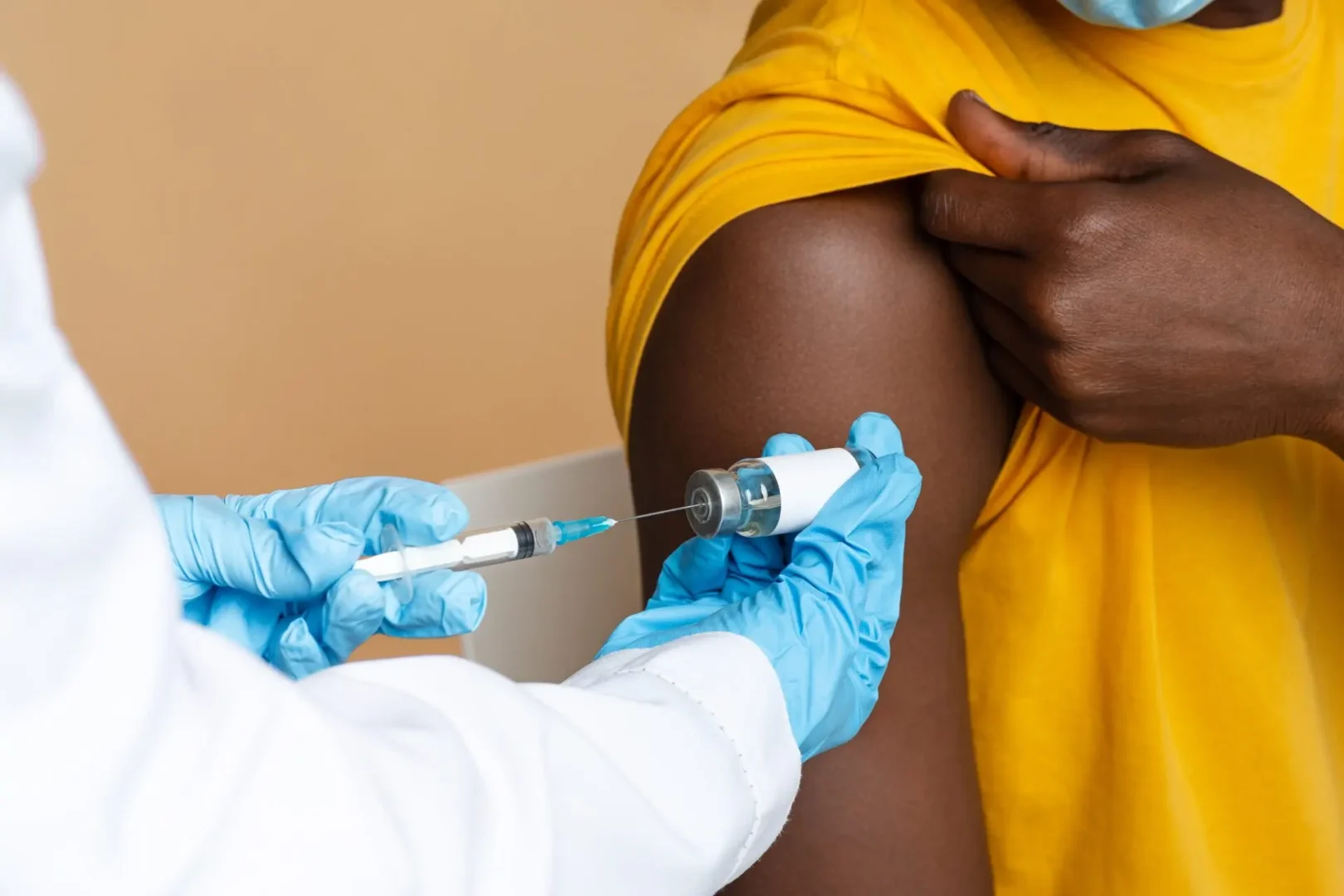
NAIROBI, Kenya — Kenya is preparing to roll out a groundbreaking long-acting injectable HIV prevention medication, lenacapavir, this year, positioning the country among the earliest adopters in Africa of a twice-yearly injection designed to bolster the national response to new HIV infections.
The Ministry of Health has formally recommended the registration and subsequent rollout of lenacapavir, a long-acting pre-exposure prophylaxis (PrEP) drug that offers six months of protection per dose, a significant shift away from the traditional daily oral pills many at risk currently use.
Kenya is one of nine African nations selected to pioneer the introduction of the drug, alongside Eswatini, Lesotho, Mozambique, Nigeria, South Africa, Uganda, Zambia and Zimbabwe — supported by a funding guarantee from the Global Fund.
Lenacapavir, which received approval from the US Food and Drug Administration (FDA) in June 2025 and was later endorsed by the World Health Organization (WHO) in updated HIV prevention guidelines, has been heralded as a paradigm shift in preventive medicine because it dramatically reduces the frequency of dosing compared with daily PrEP pills.
Health Cabinet Secretary Aden Duale said the decision to recommend lenacapavir’s registration followed a comprehensive scientific evaluation by Kenya’s Pharmacy and Poisons Board, aligned with national and international regulatory standards.
“Its long-acting formulation allows it to be administered only twice a year, offering an important alternative to daily oral HIV prevention medicines,” Duale said in a statement. “This is particularly beneficial for individuals who face challenges with taking pills every day.”
The Ministry of Health, working through the National AIDS and STI Control Programme (NASCOP) and partners, has developed implementation plans and is finalising national guidelines ahead of the planned rollout in 2026.
Officials emphasise that lenacapavir will complement, not replace, existing HIV prevention tools, broadening options available to those at high risk of infection.
Dr Jonah Onentiah, Head of Prevention at NASCOP, told health stakeholders that the first phase of the rollout will prioritise 10 counties with high HIV burdens, including Nairobi, Kisumu, Mombasa and Homa Bay, where access to prevention services and adherence to daily medication have historically been challenging.
Kenya’s HIV prevalence remains a public health concern. Data shows that about 3.7 per cent of Kenyans are living with HIV, with roughly 1.4 million people infected and a disproportionate number of new infections occurring among young people under 24 years.
According to the National Syndemic Disease Control Council (NSDCC), Nairobi recorded one of the country’s highest numbers of new infections in 2024, jumping by 19 per cent to nearly 20,000 cases. Ten counties collectively accounted for about 60 per cent of all new infections reported that year.
Health Principal Secretary Ouma Oluga noted a troubling rise in HIV-related deaths in 2024, reaching more than 21,000, up from the previous year, underscoring the ongoing need for prevention, treatment adherence and early diagnosis.
Experts say lenacapavir’s long-acting formulation addresses critical barriers such as stigma, pill fatigue and difficulties accessing clinics regularly, which have hindered broader uptake of oral PrEP. Clinical studies have shown the injection can prevent up to 96–100 per cent of new infections when administered consistently.
Also Read: Lenacapavir: HIV prevention drug price slashed from $28,000 to $40 for low-income nations
The rollout also dovetails with broader efforts under Kenya’s HIV Prevention Operational Plan 2025–2026, which emphasizes combination prevention and targeted interventions in counties with the highest burdens.
While lenacapavir offers a promising addition to prevention strategies, health officials stress that it is not a vaccine or cure for HIV. Instead, it represents a powerful tool within a comprehensive approach that includes condoms, testing, treatment and community engagement.
As Kenya advances towards implementing this new prevention option, the government and partners are calling for sustained efforts to improve education, expand access and ensure that communities most at risk benefit from scientific innovations that could significantly reduce new HIV infections.
