


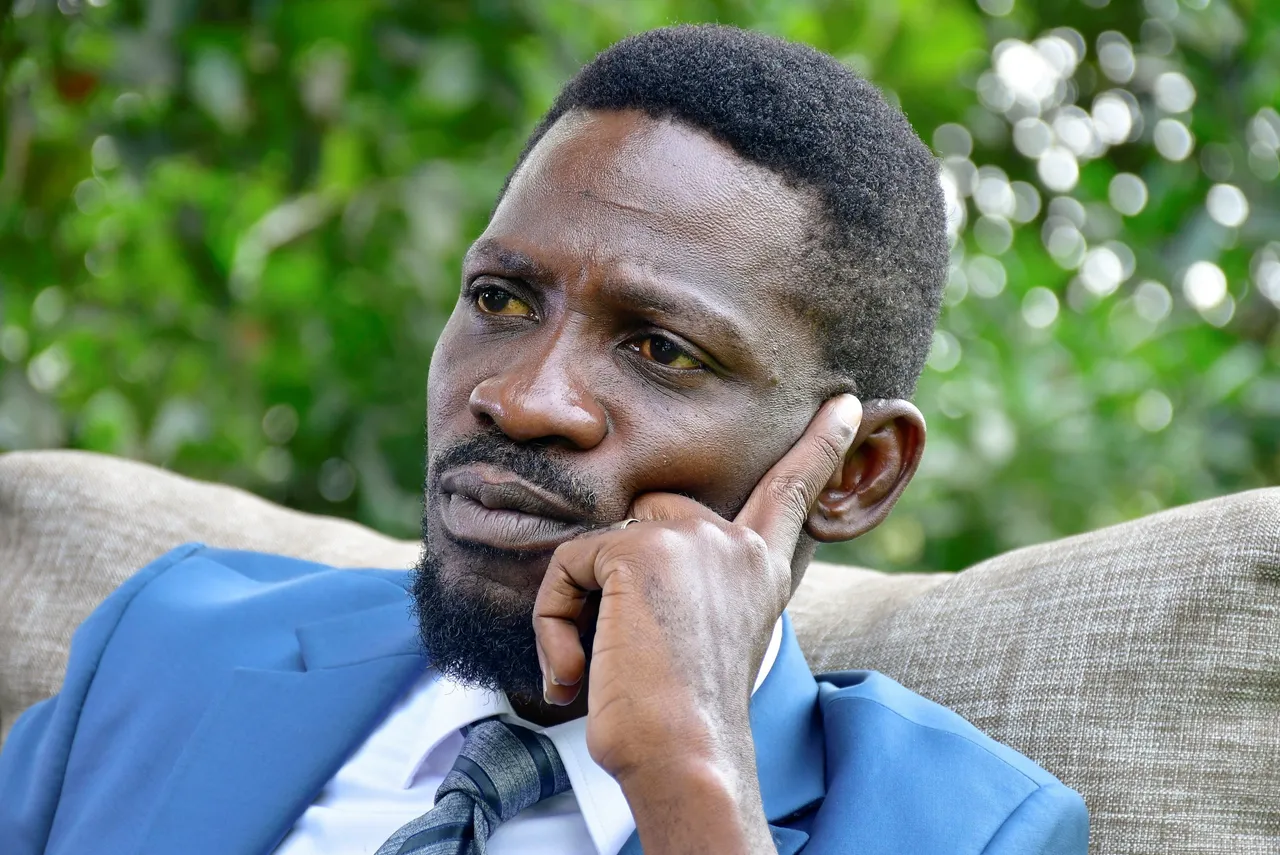
KAMPALA, Uganda — Ugandan opposition leader Robert Kyagulanyi Ssentamu, popularly known as Bobi Wine, has urged his supporters to be ready to defend their votes in the January 15, 2026, presidential election, telling CNN that if President Yoweri Museveni rigs the contest, “the people must rise up.” The comments add to rising political tensions in the East African nation as the campaign enters its final phase.
In an interview with CNN’s Zain Asher, the musician-turned-politician, who has emerged as the leading challenger to Museveni, warned that the public must be prepared to challenge what he described as anticipated interference by the ruling establishment.
“In case Museveni rigs the election like all signs are showing, the people of Uganda must rise up and demand for their victory.”
“Dictators might not go with the first or second or third push but eventually they fall if we don’t give up,” Wine said.
The high-stakes warning comes amid widespread concerns over electoral transparency and political freedoms in Uganda, where Museveni, 81, has held power since 1986 and is seeking a seventh term in office.
Domestic and international observers have highlighted increased restrictions on opposition activity, limitations on civil liberties and the potential for digital disruptions, such as internet restrictions, during the election period.
Independent monitoring groups, including Freedom House and Human Rights Watch, have cautioned that the political environment risks undermining a free and fair vote.
Wine told CNN that the core challenges facing Uganda have shifted over time. Where past generations grappled with issues such as lack of education and disease, he said, the country now confronts what he described as a deeply entrenched system of corruption under the current administration.
He characterised the problem bluntly: that corruption has become “a currency used as a way of living and a way of staying in power.”
If his National Unity Platform (NUP) takes power, Wine pledged to dismantle what he terms a culture of state capture. He underscored the importance of strengthening democratic institutions, including restoring the independence of the legislature and the judiciary to act as constitutional checks on the executive.
“We want to re-empower the institutions, institutions of state, and end the state capture ensure that the judiciary and the legislature are independent and can check the executive,” Wine said.
“That way, we will be able to stop the one man rule and have knowledgeable, talented and able people to bring minds together and lead our country ahead.”
Political analysts say Wine’s remarks reflect broader frustration among many Ugandans, particularly young voters, who feel marginalised by prolonged rule under Museveni’s National Resistance Movement (NRM).
According to a 2025 Afrobarometer survey, trust in state institutions in Uganda has declined, driven in part by perceptions of inequality, corruption and a limited political space for opposition voices.
State officials have rejected claims that the electoral process will be compromised, asserting that security measures are intended to maintain public order and enforce campaign regulations.
Also Read: He once criticised African leaders who overstay in power. Look where Uganda is now
The Electoral Commission of Uganda has said it is prepared to oversee a credible and peaceful election and has encouraged all parties to file complaints through institutional channels should issues arise.
As the vote approaches, international partners, including the African Union (AU) and the Commonwealth, have announced plans to deploy election observation teams. However, critics note that accreditation delays and restrictions on domestic civil society observers may weaken oversight on the ground.
With several weeks remaining before polling day, the political climate in Uganda remains highly charged, and Wine’s call for action if the election is manipulated underscores the deep divisions shaping this defining moment in the country’s democratic trajectory.
