


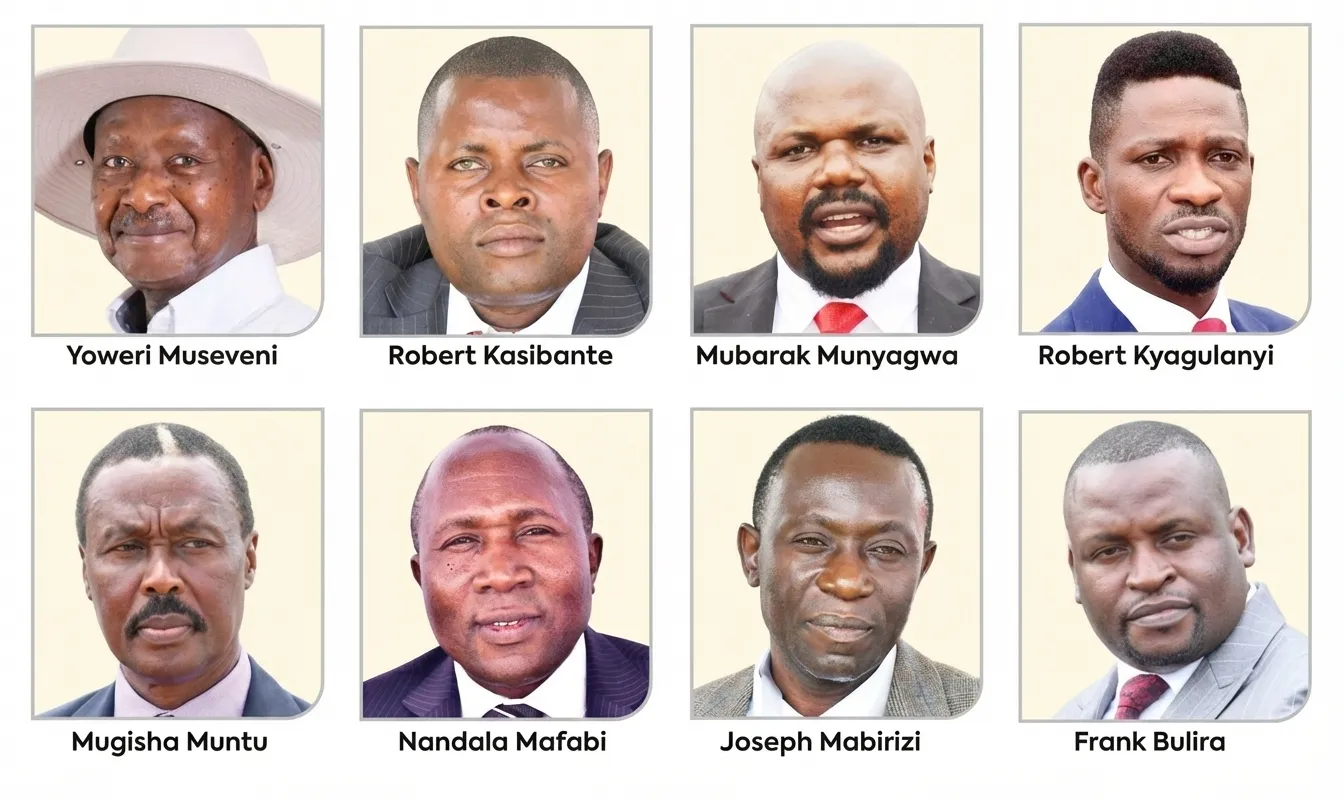
KAMPALA, Uganda — As Uganda approaches its general election on 15 January 2026, the outcome appears all but predictable: President Yoweri Museveni, in power since 1986, is widely expected to secure another term.
Yet the contest has crystallised into a broader contest over the future of governance in Uganda, pitting entrenched incumbency against a dynamic, digitally mobilised youth electorate eager for change.
Museveni, 81, is seeking a seventh consecutive term, a feat made possible by constitutional amendments that have removed age and term limits. His enduring dominance has raised questions about the fairness of the electoral environment and the ability of challengers to effectively compete.
In the capital Kampala and other urban centres, political tensions remain high as opposition candidates campaign amid visible security presence and reports of pressure on civil liberties.
For many voters, the stakes extend beyond leadership to the integrity of the institutions that undergird Uganda’s democratic processes.
Stronger, yet restricted opposition
Unlike earlier elections where veteran opposition leader Dr Kizza Besigye dominated the anti-Museveni challenge, the 2026 race features Robert Kyagulanyi Ssentamu, better known as Bobi Wine, as the principal challenger.
Wine’s rise from popular musician to political figure symbolises the increasing role of youth activism in Ugandan politics. Yet the opposition landscape remains constrained by persistent structural and political obstacles.
Critics and rights groups have documented cases of arrests, restrictions on assembly, and disruptions of opposition rallies, reflecting an uneven playing field.
Amnesty International has described the pre-election environment as marked by “a brutal campaign of repression” involving tear gas, beatings and arbitrary detentions. The government maintains that such measures are necessary to maintain public order.
Wine’s message has resonated strongly in urban and peri-urban areas where youthful populations are concentrated and where calls for economic opportunity, accountability and reform have broad appeal.
Despite his traction, however, the historical pattern of strong incumbent victories has left many analysts sceptical about the possibility of an outright opposition victory.
What election observers say
International and regional observers have voiced concerns about conditions ahead of the vote. A United Nations Human Rights Office statement highlighted a “pervasive climate of fear” that could undermine free political participation.
Warnings about potential internet disruptions during voting, a tactic seen in previous elections, have also circulated, though opposition parties are attempting contingency plans for monitoring results.
Yet the central question remains whether any challenger, including Bobi Wine, can translate grassroots enthusiasm into a legal and procedural upset.
Many political analysts suggest that reducing Museveni’s share of the vote below 50%, forcing a runoff — could represent a symbolic victory for the opposition, even if it falls short of winning.
National dynamics and public sentiment
The 2026 contest unfolds against a backdrop of Uganda’s evolving socioeconomic landscape. During Museveni’s nearly four decades in power, the country has experienced periods of sustained economic growth, expanded infrastructure and improved access to basic services.
Uganda’s population has also become younger and more digitally connected, reshaping political engagement.
Yet critics argue that progress has been uneven and that structural challenges, including youth unemployment, corruption and regional disparities, persist.
Also Read: Uganda’s 2026 election under siege as heavy military presence floods major cities
Transparency International’s 2025 Corruption Perceptions Index ranked Uganda 140th out of 180 countries, underscoring long-standing governance concerns.
“The bigger question,” as one political analyst recently told a local broadcaster, “is not only who wins, but whether Uganda’s institutions can be strengthened to deliver accountable governance that meets the aspirations of a rapidly changing population.”
The broader contest: Continuity vs. change
For Museveni supporters, continuity and stability remain persuasive selling points. His veteran leadership is credited by many with maintaining relative peace, overseeing economic expansion and positioning Uganda as a key player in regional politics.
Yet even among some segments of the electorate that value stability, there is a palpable desire for renewal and reform, especially among younger voters who have spent the lion’s share of their lives under a single leader.
As one Kampala resident told Vivid Voice News correspondent in late December 2025, speaking on condition of anonymity: “We are not against peace or progress. We just want a system where our voices matter and where leaders change without fear.”
Whether that aspiration will shape the formal outcome of the 2026 election remains unclear. What is certain is that the contest, even in its predictability, reflects an ongoing negotiation over Uganda’s political identity, institutional resilience and the power of grassroots mobilisation in an era of digital activism.