


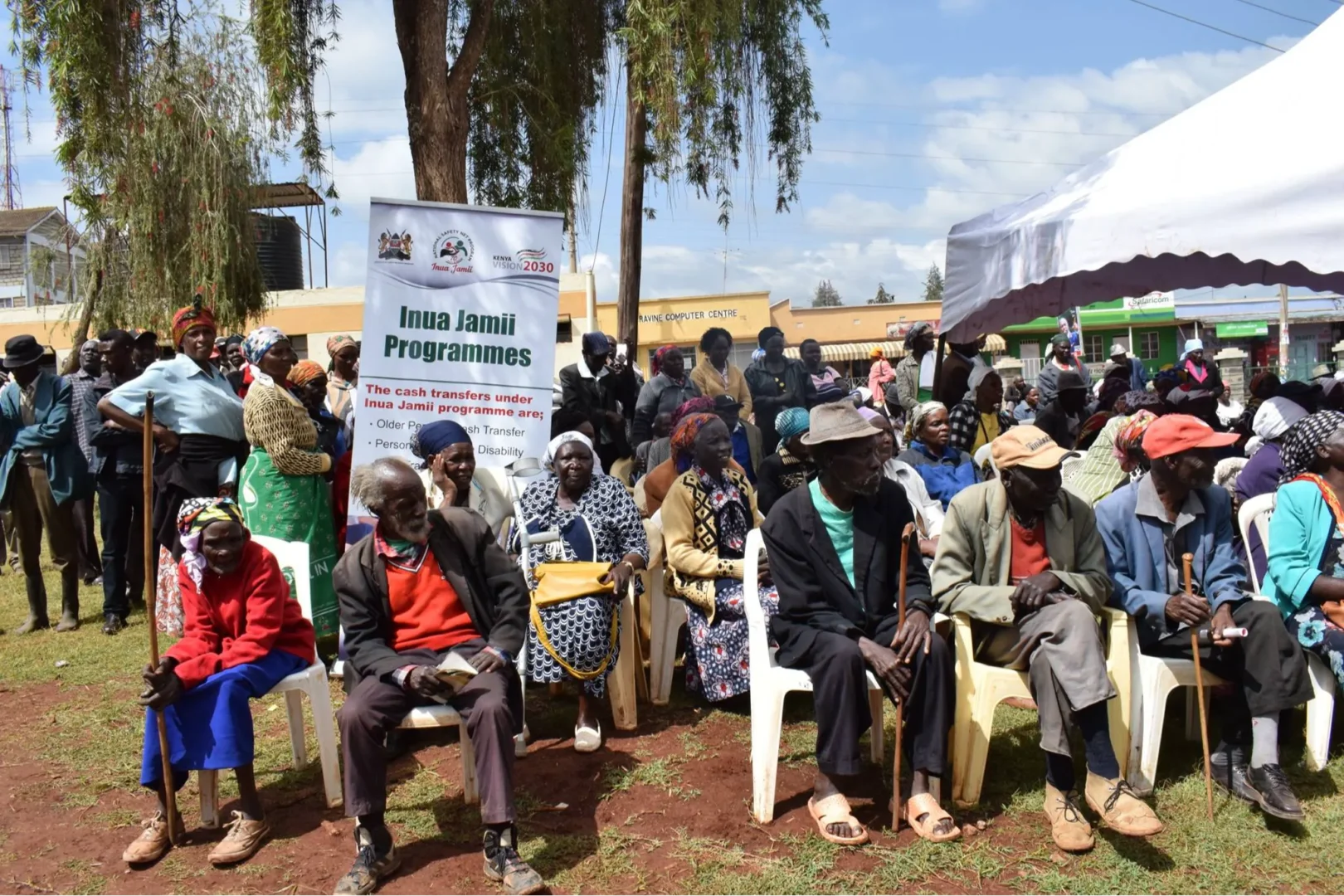
NAIROBI, Kenya — The Ministry of Gender, Culture and Children Services has released Ksh 877,608,000 to support vulnerable households across Kenya under the Cash Transfer for Orphans and Vulnerable Children (CT-OVC) programme.
The disbursement, announced on Thursday, will benefit 438,804 households registered under the Inua Jamii initiative, with each beneficiary set to receive Ksh 2,000 for the November 2025 payment cycle.
According to the State Department for Children Services, payments are scheduled to commence Friday, January 9, 2026, via the government’s contracted payment service provider.
The CT-OVC programme represents a major government effort to strengthen community-based care for children living under vulnerable conditions. It seeks to ensure orphans and other at-risk children are supported within their families and communities while promoting their overall development.
“The CT-OVC Programme aims to encourage fostering and retention of orphans and vulnerable children within their families and communities, while promoting their human capital development,” the ministry stated in a press release from Nairobi.
The programme adopts a holistic approach to child welfare, addressing education, health, nutrition, and social protection.
Beyond cash support, it encourages school enrollment and smooth transitions within the education system, while improving household food security and strengthening local child protection mechanisms.
CPA Carren Ageng’o, Principal Secretary of the State Department for Children Services, endorsed the announcement, underscoring the government’s ongoing commitment to social protection programmes for Kenya’s most vulnerable populations.
The CT-OVC operates under the Inua Jamii initiative, one of the government’s flagship social safety nets.
Also Read: Kenya disburses Shs 881m to support orphans and vulnerable children under Inua Jamii
Since its inception, the programme has provided essential financial support to households caring for orphans and vulnerable children across Kenya, contributing to improved living standards and protection outcomes for beneficiaries.
Recent reports indicate that the programme has positively impacted school attendance and nutrition, with government monitoring showing higher enrolment rates and fewer cases of malnutrition among registered households.
The initiative also plays a critical role in cushioning families from shocks caused by unemployment, illness, and other socio-economic challenges.
