


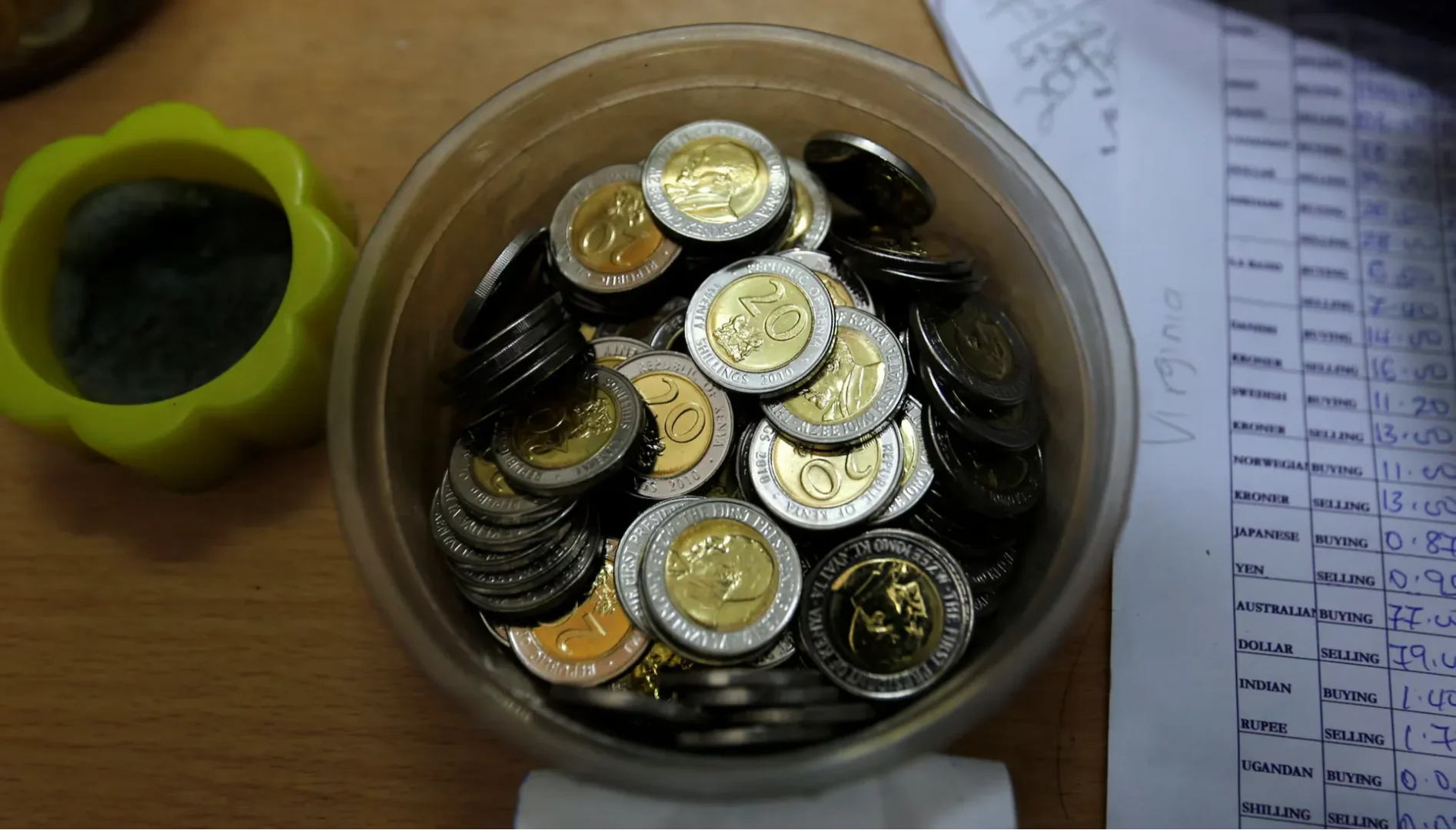
NAIROBI, Kenya — The Central Bank of Kenya (CBK) has launched an unusual and large-scale currency disposal exercise, inviting qualified firms to purchase and destroy approximately 281 tonnes of obsolete and damaged coins that are no longer fit for circulation.
In a public tender issued this week, the bank called on coin-minting companies and industrial metal smelters to bid for the consignment, which totals 281,667 kilogrammes. The exercise is designed to clear CBK’s vaults of worn currency and pave the way for the introduction of new coins.
Bids will close on January 22, 2026, shortly after CBK concluded a three-year coin minting contract — a move that signals an upcoming refresh of the country’s coin stock.
Like most central banks worldwide, CBK periodically withdraws currency that deteriorates through prolonged use. The coins slated for destruction contain valuable recyclable metals including copper, nickel, aluminium, steel, bronze and brass, which can be reused for industrial purposes.
By June 2025, CBK’s coin holdings were valued at Sh11.37 billion, with Sh20 coins accounting for Sh4 billion, Sh10 coins Sh4.02 billion, and Sh5 coins Sh1.95 billion.
The exact number of coins being sold has not been disclosed. Current Kenyan coin denominations weigh between 3.75 grammes and nine grammes, while the heaviest coin ever circulated in the country, the 1985 five-shilling coin, weighs 13.5 grammes and was minted in the United Kingdom.
CBK has placed strict conditions on the disposal process, insisting that the entire destruction operation be closely monitored by the bank.
“As part of the evaluation process, CBK will require a commitment in writing that the successful bidder will allow the bank to inspect and confirm the smelting of the entire consignment of the old coins,” the bank said.
“It is expected that the bidder will notify the bank when ready to undertake the smelting/destruction and invite the bank’s team to witness the smelting and confirm in writing that the smelting is done to the satisfaction of the bank.”
The coins are currently stored across three CBK facilities; Mombasa (196,373 kg), Nairobi (76,347 kg) and Kisumu (8,947 kg).
Prospective bidders may inspect coin samples at CBK’s Nairobi headquarters before submitting their proposals. The winning firm will assume full responsibility for the loading, transportation and destruction of the consignment and must demonstrate proven experience in large-scale smelting, as well as ownership of appropriate industrial equipment.
Although the use of small-denomination coins such as 50 cents, Sh1 and Sh5 has declined due to the growth of digital payments, CBK continues to mint new coins, noting that physical currency remains essential for everyday transactions involving uneven pricing.
Also Read: Central Bank of Kenya lowers base lending rate to 9%
Kenya’s current coins were introduced in December 2018, replacing portraits of former presidents with wildlife imagery, including a giraffe, rhino, lion and elephant.
The latest tender comes amid ongoing scrutiny of CBK’s procurement practices. In 2023, the bank awarded a Sh14.1 billion, five-year contract to Germany’s Giesecke+Devrient Currency Technologies GmbH for the printing of new banknotes, replacing Britain’s De La Rue. Auditor-General Nancy Gathungu later flagged procedural irregularities in the award, stating that CBK management failed to establish a special selection committee.
Governor Kamau Thugge defended the process, saying it had received clearance from the National Security Council.
