



NAIROBI, Kenya — The passing of veteran Kenyan statesman Raila Odinga and the nationwide momentum of youth-led “Gen Z” protests were identified as the defining pillars of national consciousness in 2025, according to the year-end Infotrak Research & Consulting survey released this week.
The survey asked respondents to identify the most significant events of the year that shaped how they perceived Kenya’s political, social, and economic trajectory. Thirty percent of those surveyed ranked the death of Raila Odinga as the single most influential event of 2025.
Odinga, a towering figure in Kenyan politics, died in India at age 80 on October 15, 2025, following cardiac arrest while under medical care, prompting a week of national mourning and a high-profile state funeral.
He was widely credited with deepening Kenya’s democratic traditions, serving as prime minister from 2008 to 2013 and challenging established power structures through multiple presidential campaigns.
The former opposition leader was instrumental in Kenya’s transition to multiparty democracy, enduring long periods under detention during single-party rule and persistently advocating constitutional reform throughout his career.
His death marked the end of a generation of political struggle and left a profound imprint on the national psyche.
Youth activism emerges as defining trend
Following Odinga’s passing, the next most widely cited defining event was the Gen Z-led protests, which 12 percent of respondents identified as highly influential in shaping public opinion in 2025.
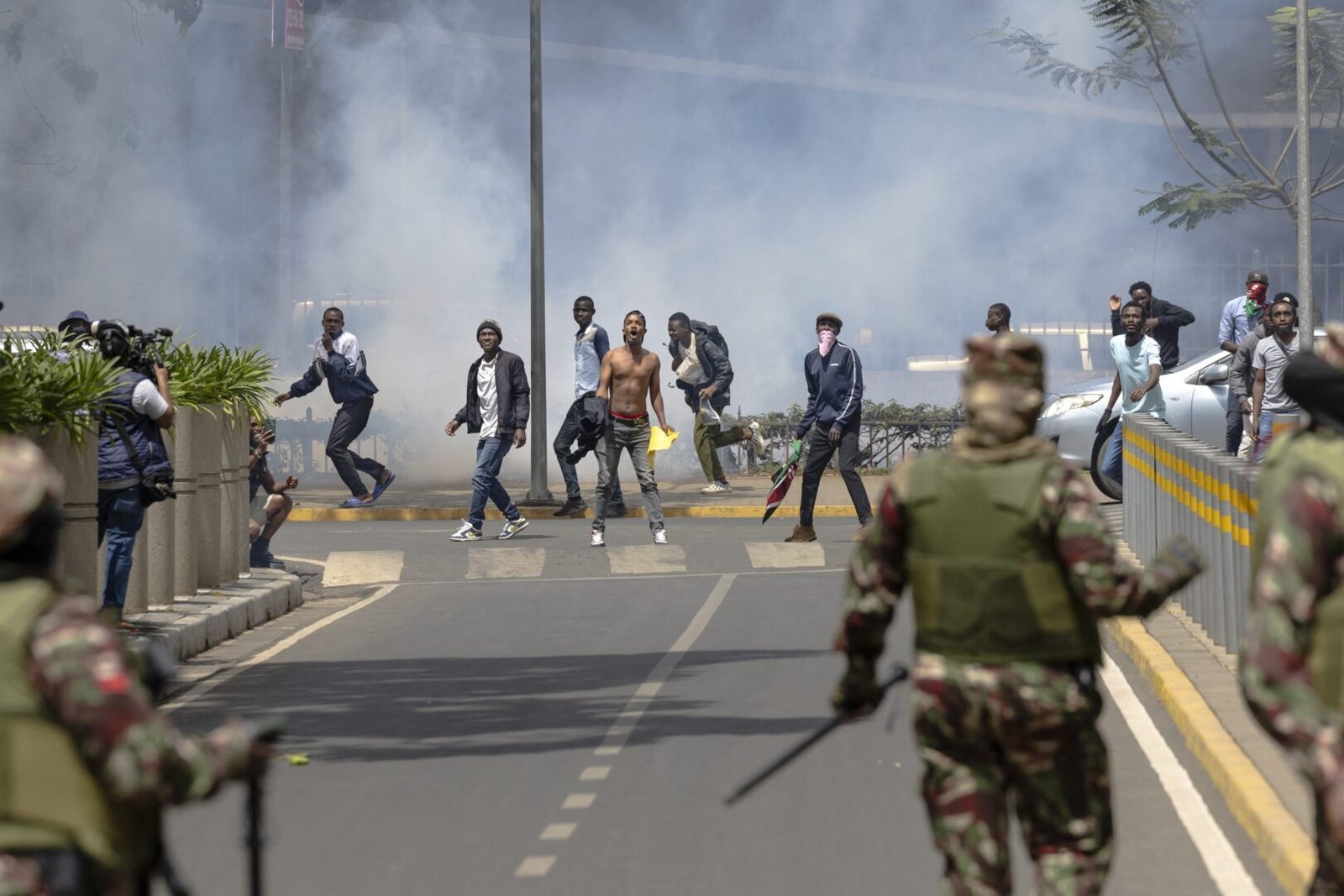
These protests — decentralised and driven largely by young people across Kenya — focused on governance accountability, economic frustrations, and broader calls for reform, capturing both domestic and international attention.
Economic and security concerns also feature
Beyond these headline events, everyday issues of citizen wellbeing also shaped public sentiment:
- High cost of living: 11 percent
- Governance and politics: 8 percent
- Security and human rights issues: 6 percent (including concerns over abductions and extrajudicial killings)
- Financial hardship: 6 percent
- Employment challenges: 5 percent
- Government housing and agricultural interventions: 3 percent
Interestingly, taxation, a recurring political flashpoint, was cited by only 0.4 percent of respondents as the year’s top defining issue, suggesting voter priorities shifted markedly toward major political events and economic survival.
Public health policy resonates less
Major policy developments — notably the roll-out of the Social Health Insurance Fund (SHIF) and the establishment of the Social Health Authority (SHA) — were recognised by only 1 percent of polled Kenyans as the primary event of the year, indicating broader social shock events overshadowed administrative reforms.
Survey methodology
Infotrak conducted the poll on December 19–20, 2025, using Computer Assisted Telephone Interviews (CATI) with a nationally representative sample of 1,000 adult Kenyans drawn from all 47 counties.
The survey carried a ±3.10 percent margin of error at a 95 percent confidence level, ensuring robust insights into national opinion.
