


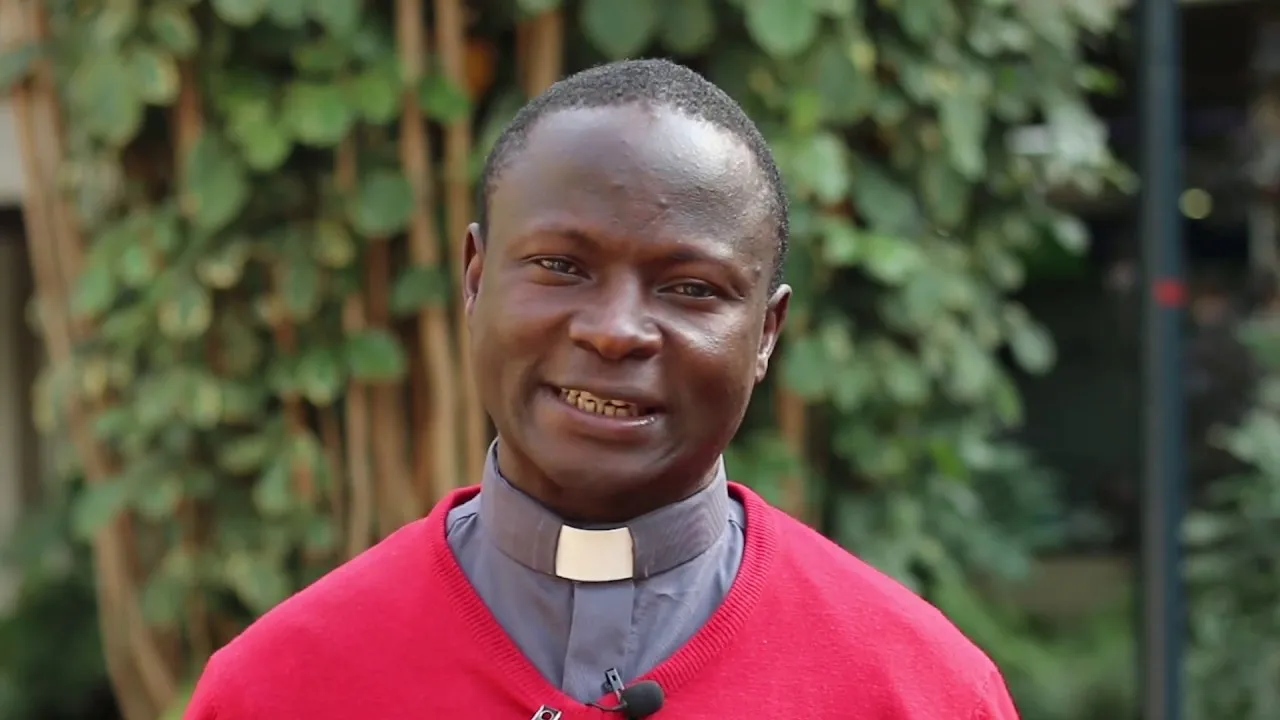
MASAKA, Uganda — Rev. Fr. Deusdedit Ssekabira, a Catholic priest from Masaka Diocese, has been formally charged with money laundering after weeks of controversy surrounding his disappearance and detention by security forces.
The case has reignited debate over due process and the role of the military in civilian arrests, drawing criticism from legal experts and civil liberties advocates.
Fr. Ssekabira, who serves as a curate at Bumangi Parish and director of Uplift Primary School, went missing on December 3, 2025, when armed men in military uniform seized him at his office in Katwe, Masaka City.
Initially, the Masaka Diocese described the incident as a “kidnapping,” noting that he was taken in unmarked vehicles and remained out of contact for days.
For more than a week, the whereabouts of the priest were unknown, prompting prayers and statements of concern from Bishop Severus Jjumba and the Catholic community.
The secrecy surrounding his location raised allegations of enforced disappearance, an issue sharply condemned by legal bodies citing Uganda’s constitutional protections.
Military custody and shifting charges
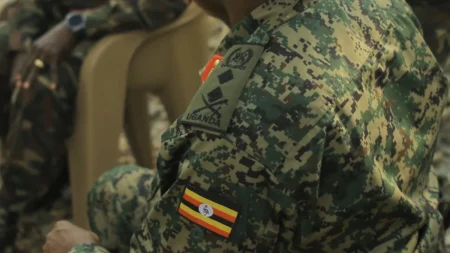
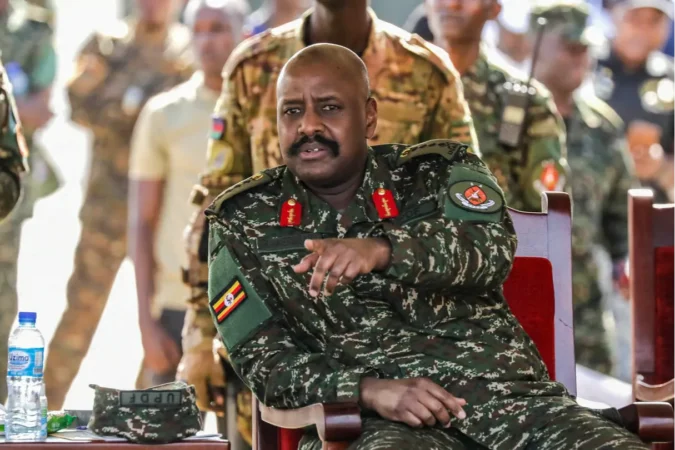
On December 14, 2025, the Uganda People’s Defence Forces (UPDF) confirmed that Fr. Ssekabira was in their custody, asserting he was held “lawfully” as part of investigations into alleged “violent subversive activities” against the state. The military statement did not provide detail on the nature of those alleged activities.
Nearly three weeks after his arrest, the priest was presented in Masaka Magistrate’s Court and charged with money laundering under provisions of the Anti-Money Laundering Act (Cap 118).
Prosecutors allege that between 2023 and 2025, Fr. Ssekabira and others still at large intentionally concealed or disguised the ownership of Shs500 million (approximately $133,000) at the Centenary Bank Masaka branch, knowing or suspecting the funds to be proceeds of crime.
Magistrate Abdallah Kayiza remanded Fr. Ssekabira to custody until January 21, 2026, noting that the lower court lacks jurisdiction to hear money laundering cases. The case is expected to be referred to a higher court competent to try such offences.
Legal and rights concerns
Fr. Ssekabira’s prolonged detention without early court appearance raised significant legal concerns. According to Uganda’s Constitution and domestic law, individuals must be brought before a court within 48 hours of arrest or released on bail.
Lawyers representing human rights bodies argue that the extended military custody, initially without charge, violated these standards and amounted to unlawful detention.
Legal practitioners have criticised the state’s handling of the case as “malicious prosecution,” pointing to the discrepancy between the military’s initial allegations of subversion and the formal charge of money laundering.
Some observers suggest that the change in charges may be a procedural strategy to keep Fr. Ssekabira in detention while investigations continue.
Prominent voices in the legal fraternity argue that because the early detention did not comply with constitutional timelines, Fr. Ssekabira should be entitled to unconditional release or have the case dismissed on procedural grounds.
Church and civil reaction
The Catholic Diocese of Masaka has persistently called for transparency and the priest’s humane treatment.
Bishop Jjumba and community leaders organised special prayers during the period of uncertainty, reflecting the distress among the faithful at the priest’s sudden absence and the lack of official information.
Also Read: Ugandan military confirms detention of missing priest on charges of ‘subversive activities’
Uganda Catholic Lawyers Society (UCLS), a legal advocacy group, has separately condemned the manner of Fr. Ssekabira’s arrest and subsequent detention as unconstitutional, citing violations of fundamental rights including freedom from arbitrary detention and access to legal counsel.
The society has urged the judiciary, the Office of the Director of Public Prosecutions, and human rights institutions to intervene and ensure adherence to due process.
Broader implications
The case has intensified public debate about the role of security forces in civilian arrests and the adequacy of legal safeguards in national security matters.
Critics argue that the use of military detention for civilians under vague allegations could erode public confidence in rule of law and judicial independence.
The coming weeks, including the next court hearing and potential transfer of the case to a higher court, are likely to be closely watched by civil rights advocates, religious organisations, and political observers alike.