


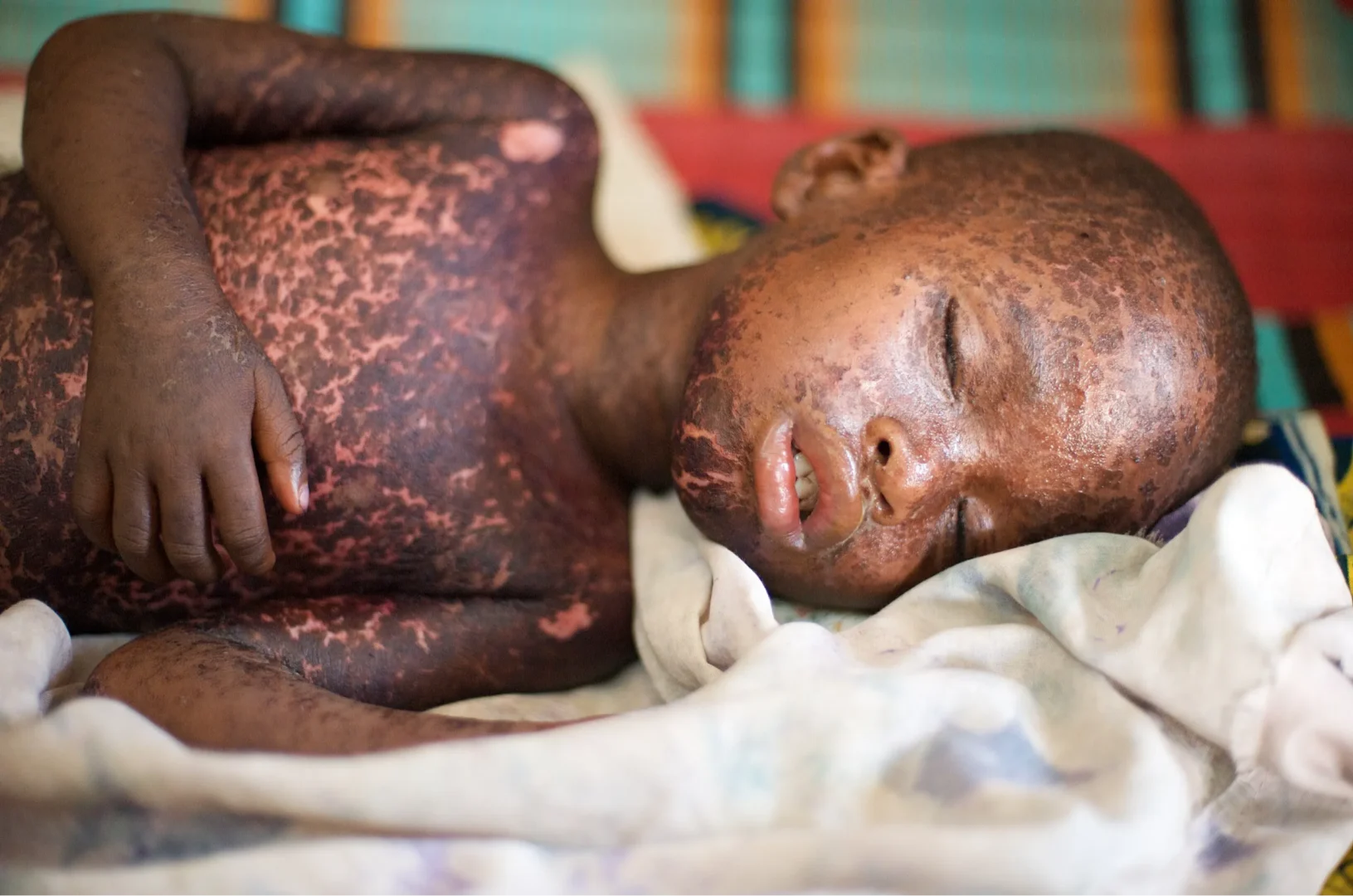
KAMPALA, Uganda — Health authorities in Uganda have confirmed that the death toll from a measles outbreak in the country’s semi-arid northeastern region has risen to 32, one month after the emergency was first declared.
According to the Ministry of Health’s latest situation update, the district of Napak has been the hardest hit, recording 17 fatalities among children. The remaining deaths were recorded in Nakapiripirit (seven), Abim (four), and Moroto (four).
The outbreak continues to spread, with 24 new cases identified across five districts within a single 24-hour period. This brings the cumulative number of confirmed infections in the region to 505.
The government has mobilized emergency teams to contain the spread. In its report, the ministry detailed its strategy:
“Response activities at regional level include deployment of the EOC (emergency operation center) team within 72 hours to conduct comprehensive outbreak investigations in all the outbreak districts and supporting active surveillance.”
Health officials have identified several systemic issues driving the crisis. Primary factors include low population immunity, delays in detecting the initial outbreak, a failure to vaccinate, and delays by residents in seeking medical care.
The ministry also cited “inadequate active measles surveillance” in the affected communities as a contributing factor.
Also Read: Kenya vaccinates over 16 million children in historic Typhoid and Measles-Rubella campaign
To curb the infection rate, a targeted vaccination campaign is currently underway in the affected districts, focusing on children and adolescents aged between six months and 15 years.
This outbreak follows a significant health challenge last year, during which the ministry reported measles cases in 56 districts across the East African nation.
Measles is a highly contagious viral infection transmitted via droplets from coughing or sneezing. According to the World Health Organization (WHO), symptoms—which include high fever, cough, runny nose, and characteristic red, watery eyes—typically manifest seven to 14 days after exposure.
